

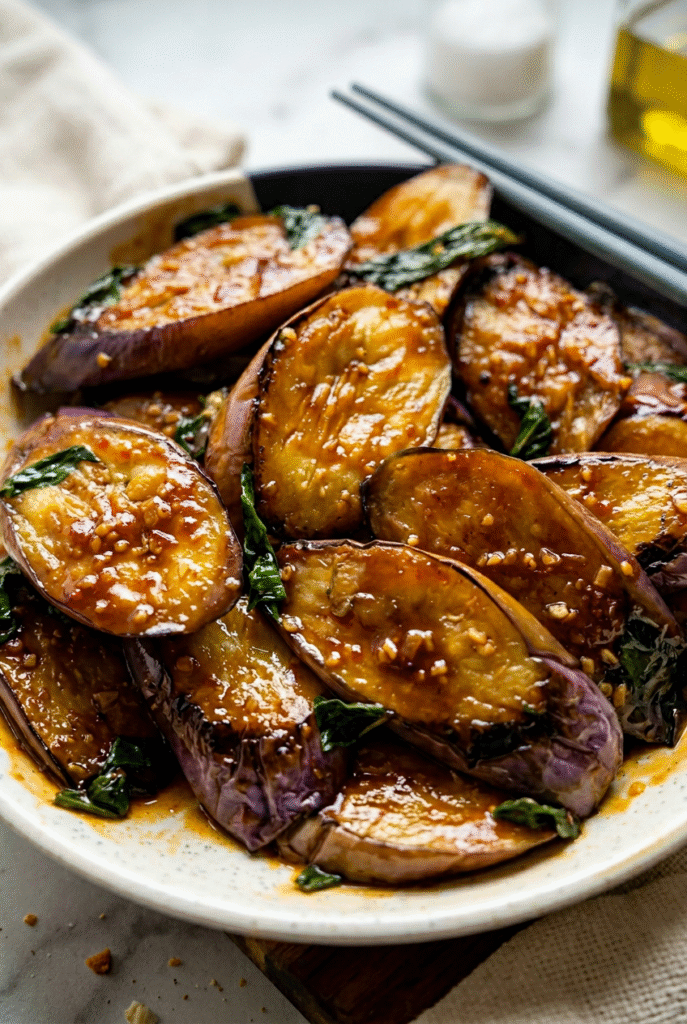
Why You’ll Love This Thai Basil Eggplant Stir Fry
This Thai basil eggplant stir fry is a quick and flavorful vegetable dish that’s perfect for a fast weeknight meal, especially when you’re craving something tasty to pair with rice or noodles. It’s simple enough for home cooks yet packs a punch with its fresh herbs and savory notes, making it a go-to option for busy parents or students looking for a healthy dinner. Let’s dive into what makes this recipe so appealing, with two main variations to suit your taste a traditional Thai-style that’s light and balanced, and a Taiwanese-inspired version that’s bolder and spicier.
- Ease of preparation: This dish comes together in just about 25 minutes, with minimal chopping and straightforward steps that even beginners can handle. The quick cooking time means it’s ideal for working professionals or busy parents who need a meal without spending hours in the kitchen. Its simplicity helps make Thai basil eggplant stir fry a stress-free choice for everyday cooking.
- Health benefits: Packed with nutrients from eggplants, which are rich in fiber and antioxidants, this recipe supports a balanced diet for diet-conscious individuals and food enthusiasts. Each serving offers around 15g of fiber to aid digestion and keep you feeling full, plus low calories at about 572 per serving, making it a smart pick for those watching their intake. It’s a vegetable-forward option that promotes wellness without sacrificing flavor.
- Versatility: You can easily adapt it to different dietary needs, like vegan or gluten-free versions, which makes it great for families with varied preferences. Whether you’re a traveler experimenting with global flavors or a senior seeking lighter meals, this stir fry works as a side or main dish. Its flexibility shines in the two variations, allowing you to switch up ingredients based on what’s in your pantry.
- Distinctive flavor: The star is the Thai basil, which adds a fresh, licorice-like zing that sets this Thai basil eggplant stir fry apart from ordinary veggies. The traditional Thai version brings sweet and savory notes from soy sauce, while the Taiwanese style amps up the heat with chili paste for a bolder kick. This combination creates a memorable taste that food enthusiasts and party hosts will love serving at gatherings.
For more on how eggplant boosts your health, check out this resource on eggplant benefits. This easy recipe not only satisfies your taste buds but also fits into a variety of lifestyles, making Thai basil eggplant stir fry a must-try for anyone exploring quick, delicious meals.
Jump to:
- Why You’ll Love This Thai Basil Eggplant Stir Fry
- Essential Ingredients for Thai Basil Eggplant Stir Fry
- Ingredients for Traditional Thai-Style Version (Serves 2)
- Ingredients for Taiwanese-Style Version (Serves 2)
- Special Dietary Options
- How to Prepare the Perfect Thai Basil Eggplant Stir Fry: Step-by-Step Guide
- Traditional Thai-Style Steps
- Taiwanese-Style Steps
- Dietary Substitutions to Customize Your Thai Basil Eggplant Stir Fry
- Protein and Main Component Alternatives
- Vegetable, Sauce, and Seasoning Modifications
- Mastering Thai Basil Eggplant Stir Fry: Advanced Tips and Variations
- How to Store Thai Basil Eggplant Stir Fry: Best Practices
- FAQs: Frequently Asked Questions About Thai Basil Eggplant Stir Fry
- What’s the difference between Thai basil and regular basil for eggplant stir fry?
- Do I need to soak eggplant before cooking Thai basil stir fry?
- How long does it take to make Thai basil eggplant stir fry?
- Can I make Thai basil eggplant stir fry vegetarian or vegan?
- What should I serve with Thai basil eggplant stir fry?
- Thai Basil Eggplant Stir Fry
- Ingredients
- Instructions
- Last Step:
- Notes
- Nutrition
- Did you make this recipe?
Essential Ingredients for Thai Basil Eggplant Stir Fry
Gathering the right ingredients is key to nailing this Thai basil eggplant stir fry, and being precise with measurements ensures a perfect result every time. Below, I’ll break down the ingredients for both the traditional Thai-style and Taiwanese-style versions, including their purposes to help you understand why each one matters. Remember, using fresh items like Chinese eggplants will enhance the dish’s texture and flavor.
Ingredients for Traditional Thai-Style Version (Serves 2)
- 2 Chinese eggplants, cut into 1-inch chunks – These provide the base with their tender texture that absorbs sauces well, reducing bitterness when soaked.
- 1 tablespoon salt – Used for soaking to draw out bitterness and improve the eggplant’s ability to soak up flavors without excess oil.
- 1 tablespoon vinegar or lemon juice – Helps prevent browning and adds a subtle tang during the soaking process for a fresher taste.
- 1 tablespoon cooking oil – Essential for stir-frying to evenly cook the garlic and chilies, creating a fragrant base.
- 1 bunch Thai basil leaves – Adds authentic, aromatic flavor with its spicy notes, wilting quickly to finish the dish.
- 2-3 cloves garlic, minced – Infuses a pungent, savory depth that forms the foundation of the stir fry’s aroma.
- 1-2 Thai bird’s eye chilies, chopped (adjustable to heat) – Brings adjustable spiciness and freshness to balance the savory elements.
- 1 tablespoon Thai sweet soy sauce or oyster sauce – Provides sweetness and umami, tying the flavors together in the sauce.
- Optional: splash of fish sauce and chili oil – Enhances saltiness and heat for extra depth, but can be omitted for vegan adaptations.
Ingredients for Taiwanese-Style Version (Serves 2)
- 2 Chinese eggplants, cut into 1-inch chunks – Offer a soft, sauce-absorbing base that’s perfect for bold flavors.
- 1 tablespoon salt – Aids in soaking to minimize bitterness and prepare the eggplant for better sauce absorption.
- 1 tablespoon vinegar or lemon juice – Prevents oxidation and adds a light acidity to keep the veggies vibrant.
- 1 tablespoon cooking oil – Allows for quick, even stir-frying to build layers of flavor.
- 1 bunch Thai basil leaves – Contributes a fresh, herbaceous finish that complements the spicy paste.
- 1 tablespoon doubanjiang (chili bean paste) – Delivers a rich, spicy umami that’s central to the bolder Taiwanese twist.
- 1 tablespoon thick soy sauce or soy paste – Adds depth and thickness to the sauce, enhancing the overall coating on the eggplant.
- 1 teaspoon sugar (optional) – Balances the heat with a touch of sweetness if desired, making the dish more versatile.
Special Dietary Options
- Vegan: Swap oyster sauce for a plant-based version and ensure doubanjiang is free of animal products; use the Taiwanese style as it’s naturally vegan-friendly with adjustments.
- Gluten-free: Opt for gluten-free soy sauce alternatives in both versions to keep the flavors intact without issues.
- Low-calorie: Reduce oil to half and skip sugar to lower the calorie count while maintaining the nutritional benefits of the eggplant.
How to Prepare the Perfect Thai Basil Eggplant Stir Fry: Step-by-Step Guide
Getting this Thai basil eggplant stir fry just right involves a few simple steps that build flavor layer by layer. Whether you’re going for the traditional Thai style or the spicier Taiwanese version, the process is straightforward and adaptable. Total preparation time is about 25 minutes, so it’s perfect for home cooks wanting a fast yet impressive meal. Let’s walk through it step by step, incorporating tips for different dietary needs along the way.
Traditional Thai-Style Steps
First Step: Slice the 2 Chinese eggplants into 1-inch chunks and soak them in a mixture of water with 1 tablespoon salt and 1 tablespoon vinegar or lemon juice for 15 minutes to reduce bitterness, then drain and pat dry thoroughly.
Second Step: Heat 1 tablespoon cooking oil in a wok or skillet over medium-high heat, then add 2-3 cloves of minced garlic and 1-2 chopped Thai bird’s eye chilies, stirring for about 1 minute until they become fragrant and golden.
Third Step: Add the soaked eggplant chunks to the wok and stir-fry for approximately 5 minutes, keeping the heat high to achieve a nice char without overcooking.
Fourth Step: Pour in 1 tablespoon Thai sweet soy sauce or oyster sauce, along with a splash of fish sauce and chili oil if using, and continue stir-frying for another 5 minutes until the eggplants are tender and well-coated; for vegan adaptations, skip the fish sauce and use plant-based oyster sauce.
Fifth Step: Toss in 1 bunch of Thai basil leaves and stir for just 30 seconds until they wilt, then remove from heat and serve hot over rice for the best flavor absorption.
Taiwanese-Style Steps
First Step: Start by slicing and soaking the 2 Chinese eggplants as described above to prepare them for cooking.
Second Step: Heat 1 tablespoon cooking oil in a wok or skillet over medium-high heat, then add the eggplant chunks and stir-fry for 5 minutes until they begin to soften.
Third Step: Mix in 1 tablespoon doubanjiang, 1 tablespoon thick soy sauce or soy paste, and 1 teaspoon sugar if desired, stirring well to coat the eggplants evenly and cook for another 5 minutes on high heat for a bolder flavor profile.
Fourth Step: Add 1 bunch of Thai basil leaves and stir for an additional 30 seconds until wilted, ensuring the herbs keep their fresh taste; this version is naturally vegan, so it’s great for plant-based diets.
Fifth Step: Remove from heat and serve immediately, perhaps with a side of grains for a complete meal that’s full of umami.
This Thai basil eggplant stir fry method ensures even cooking, with the eggplant soaking step helping it absorb less oil for a lighter result. For more veggie pairing ideas, check out our veggie side ideas on the blog.

Dietary Substitutions to Customize Your Thai Basil Eggplant Stir Fry
Protein and Main Component Alternatives
If you want to switch up the main ingredients for dietary reasons, try using firm tofu instead of just eggplant for added protein, which is ideal for vegetarians or those needing a heartier meal. For low-calorie options, mushrooms can replace some eggplant to cut carbs while keeping the stir fry flavorful. Newlyweds or seniors might appreciate swapping in ground chicken for a milder version, ensuring it fits within time constraints for busy schedules.
Vegetable, Sauce, and Seasoning Modifications
For vegetable swaps, bell peppers or zucchini can stand in for eggplant if you’re out of stock, adding crunch and adapting to seasonal availability. Sauce changes include using tamari for a gluten-free twist or reducing doubanjiang for less spice in the Taiwanese style. Baking enthusiasts could experiment with adding ginger for extra zest, making this Thai basil eggplant stir fry versatile for party hosts or travelers exploring new flavors.
Mastering Thai Basil Eggplant Stir Fry: Advanced Tips and Variations
To take your Thai basil eggplant stir fry to the next level, focus on pro cooking techniques like using a hot wok for that perfect sear, which locks in flavors without over-softening the veggies. For flavor variations, try adding ginger or sesame oil in the Taiwanese version for an even bolder kick. Presentation tips include garnishing with fresh herbs and serving in bowls for an inviting look at gatherings.
- Advanced methods like prepping ingredients ahead can save time for working professionals.
- Make-ahead options include chopping veggies in advance and storing them for up to a day.
How to Store Thai Basil Eggplant Stir Fry: Best Practices
Proper storage keeps your Thai basil eggplant stir fry fresh and tasty for later. For refrigeration, place leftovers in an airtight container and keep in the fridge for up to 3 days to maintain texture. Freezing isn’t ideal due to texture changes, but if you undercook slightly, it can work for up to a week; reheat in a skillet with a splash of water or oil for the best results. Meal prep ideas include batch cooking and portioning for quick meals during the week.
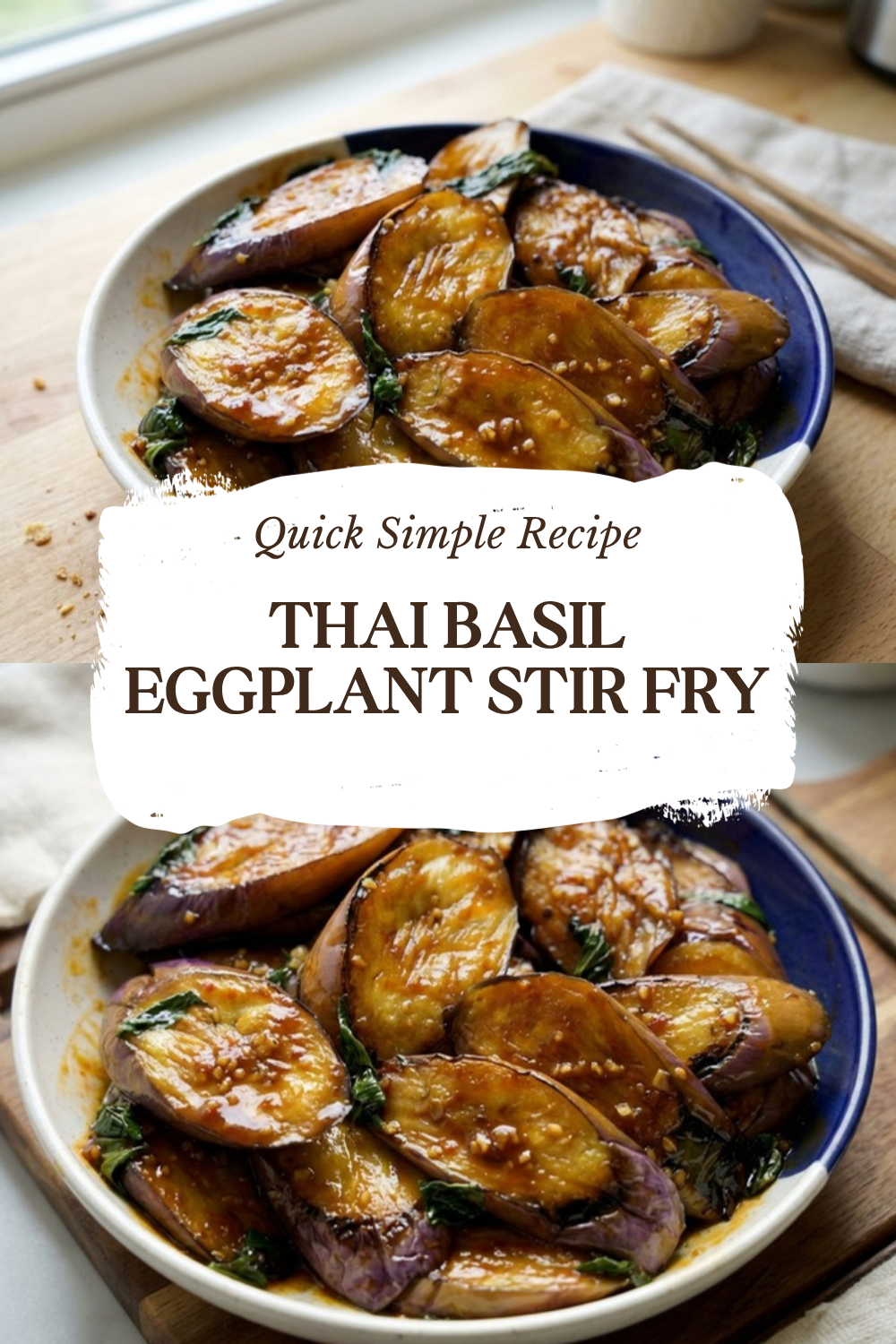
FAQs: Frequently Asked Questions About Thai Basil Eggplant Stir Fry
What’s the difference between Thai basil and regular basil for eggplant stir fry?
Do I need to soak eggplant before cooking Thai basil stir fry?
How long does it take to make Thai basil eggplant stir fry?
Can I make Thai basil eggplant stir fry vegetarian or vegan?
What should I serve with Thai basil eggplant stir fry?
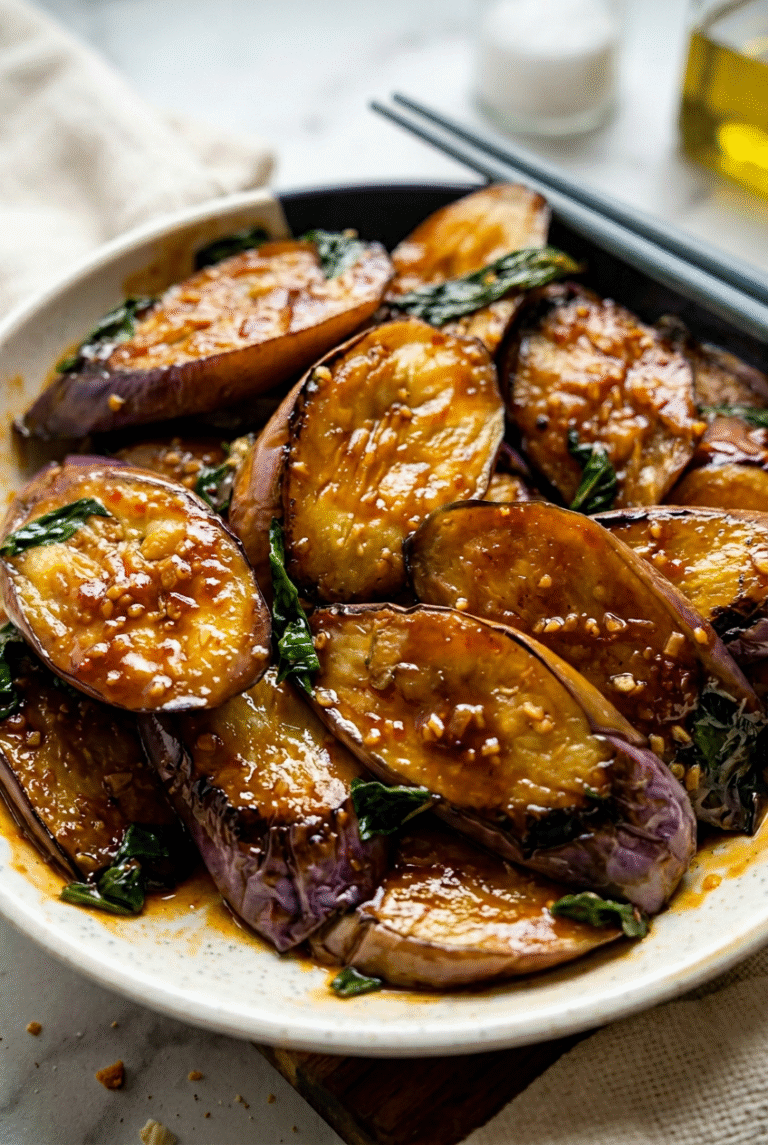
Thai Basil Eggplant Stir Fry
🍆 Relish this vibrant Thai basil eggplant stir fry, a quick veggie-packed dish that’s rich in fiber and antioxidants for a healthy, satisfying meal.
🌿 Bursting with aromatic basil and spicy notes, it’s an easy way to bring authentic Thai flavors home, perfect alongside rice for a flavorful weeknight dinner.
- Total Time: 25 minutes
- Yield: 2 servings
Ingredients
– 2 Chinese eggplants, cut into 1-inch chunks for tender texture base
– 1 tablespoon salt for soaking
– 1 tablespoon vinegar or lemon juice for preventing browning
– 1 tablespoon cooking oil for stir-frying
– 1 bunch Thai basil leaves for authentic flavor
– 2-3 cloves garlic, minced for savory depth
– 1-2 Thai bird’s eye chilies, chopped for spiciness
– 1 tablespoon Thai sweet soy sauce or oyster sauce for sweetness and umami
– splash of fish sauce and chili oil for saltiness and heat
– 2 Chinese eggplants, cut into 1-inch chunks for sauce-absorbing base
– 1 tablespoon salt for soaking
– 1 tablespoon vinegar or lemon juice for preventing oxidation
– 1 tablespoon cooking oil for stir-frying
– 1 bunch Thai basil leaves for herbaceous finish
– 1 tablespoon doubanjiang (chili bean paste) for spicy umami
– 1 tablespoon thick soy sauce or soy paste for sauce depth
– 1 teaspoon sugar (optional) for balancing heat
Instructions
1-First Step: Slice the 2 Chinese eggplants into 1-inch chunks and soak them in a mixture of water with 1 tablespoon salt and 1 tablespoon vinegar or lemon juice for 15 minutes to reduce bitterness, then drain and pat dry thoroughly.
2-Second Step: Heat 1 tablespoon cooking oil in a wok or skillet over medium-high heat, then add 2-3 cloves of minced garlic and 1-2 chopped Thai bird’s eye chilies, stirring for about 1 minute until they become fragrant and golden.
3-Third Step: Add the soaked eggplant chunks to the wok and stir-fry for approximately 5 minutes, keeping the heat high to achieve a nice char without overcooking.
4-Fourth Step: Pour in 1 tablespoon Thai sweet soy sauce or oyster sauce, along with a splash of fish sauce and chili oil if using, and continue stir-frying for another 5 minutes until the eggplants are tender and well-coated; for vegan adaptations, skip the fish sauce and use plant-based oyster sauce.
5-Fifth Step: Toss in 1 bunch of Thai basil leaves and stir for just 30 seconds until they wilt, then remove from heat and serve hot over rice for the best flavor absorption.
6-First Step: Start by slicing and soaking the 2 Chinese eggplants as described above to prepare them for cooking.
7-Second Step: Heat 1 tablespoon cooking oil in a wok or skillet over medium-high heat, then add the eggplant chunks and stir-fry for 5 minutes until they begin to soften.
8-Third Step: Mix in 1 tablespoon doubanjiang, 1 tablespoon thick soy sauce or soy paste, and 1 teaspoon sugar if desired, stirring well to coat the eggplants evenly and cook for another 5 minutes on high heat for a bolder flavor profile.
9-Fourth Step: Add 1 bunch of Thai basil leaves and stir for an additional 30 seconds until wilted, ensuring the herbs keep their fresh taste; this version is naturally vegan, so it’s great for plant-based diets.
10-Fifth Step: Remove from heat and serve immediately, perhaps with a side of grains for a complete meal that’s full of umami.
Last Step:
Please leave a rating and comment letting us know how you liked this recipe! This helps our business to thrive and continue providing free, high-quality recipes for you.Notes
🍆 Always use Chinese or Japanese eggplants for their tender skin and fewer seeds; they absorb the sauce better and cook quickly without bitterness.
🌿 Soak the eggplant chunks in salted acidic water beforehand to minimize oil absorption and enhance flavor absorption during stir-frying.
🔥 Thai basil provides the signature licorice-like aroma—substitute with Italian basil if needed, but for authenticity, seek out holy or Thai varieties.
- Prep Time: 15 minutes
- Cook Time: 10 minutes
- Category: Side Dish
- Method: Stir-Fry
- Cuisine: Thai
- Diet: Vegetarian
Nutrition
- Serving Size: 1 portion
- Calories: 572 kcal
- Sugar: 6g
- Sodium: 6686mg
- Fat: 51g
- Saturated Fat: 7g
- Unsaturated Fat: 43g
- Trans Fat: 0g
- Carbohydrates: 38g
- Fiber: 15g
- Protein: 7g
- Cholesterol: 0mg