Why You’ll Love These Cuban Sandwiches
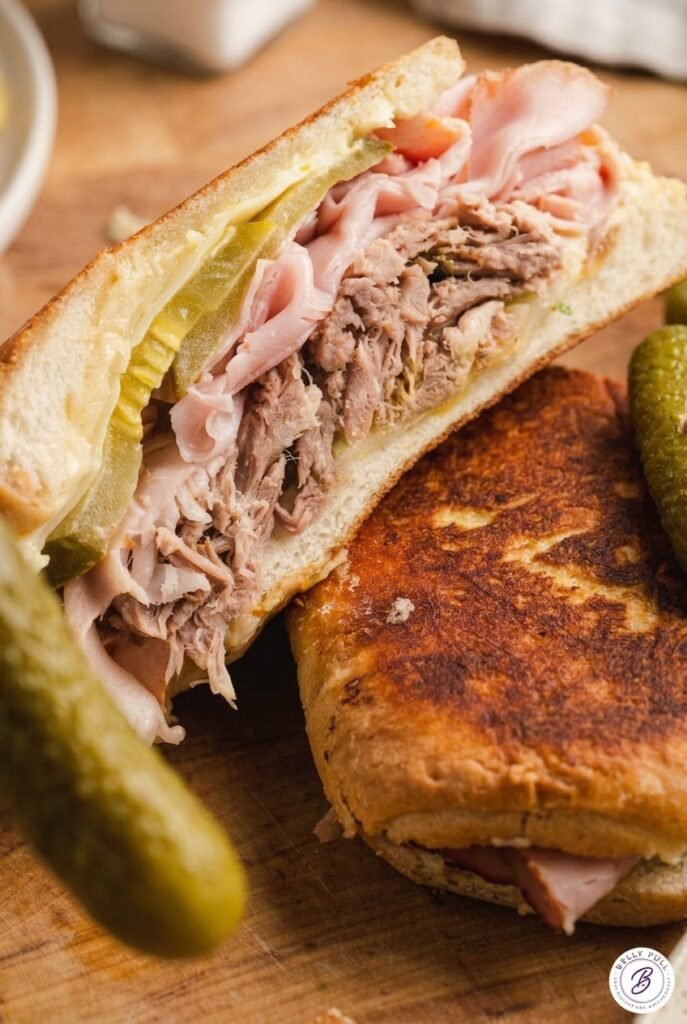
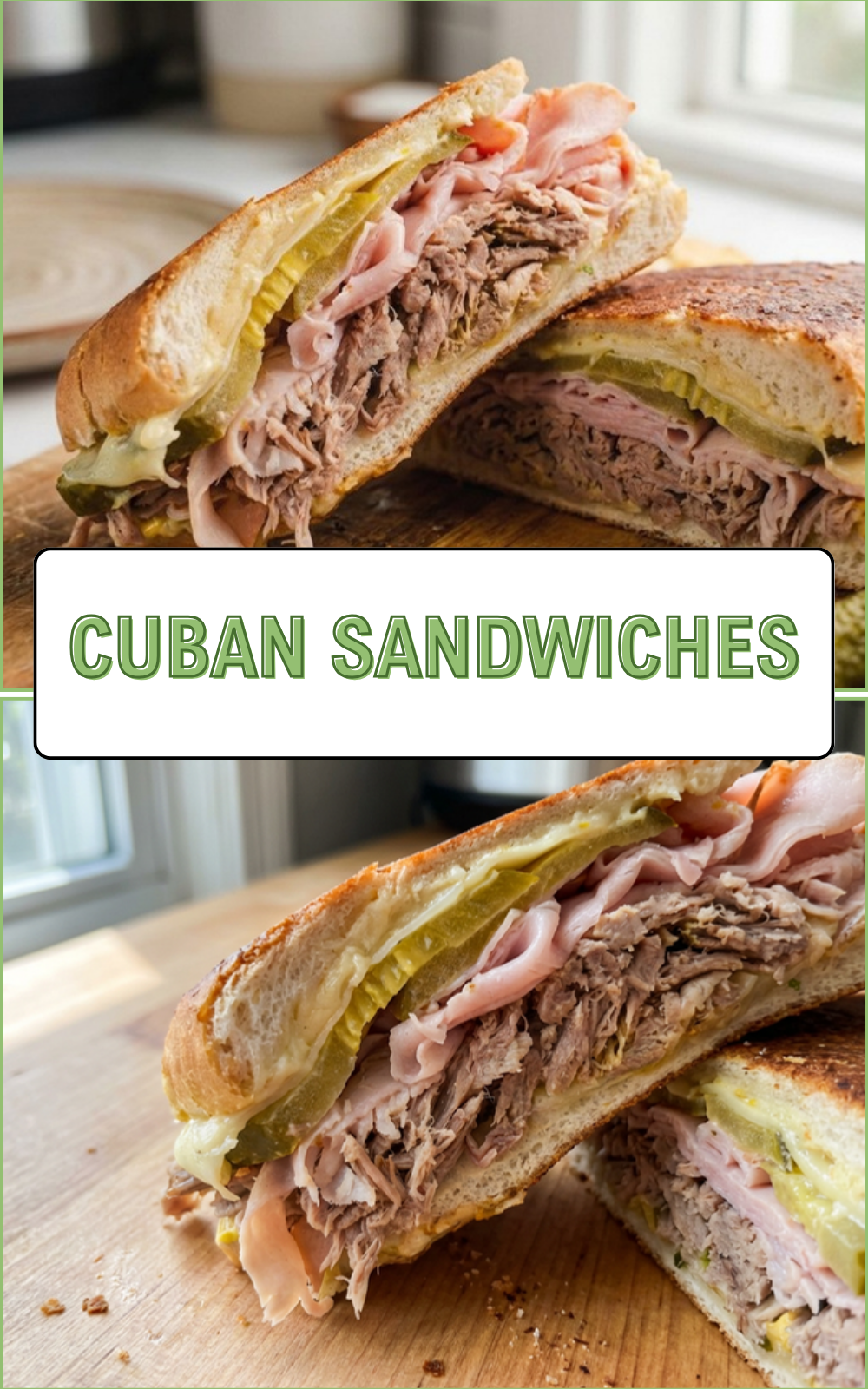
Cuban Sandwiches have long been valued for their bold flavor, crisp texture, and satisfying mix of ham, roasted pork, Swiss cheese, pickles, and mustard. This classic sandwich works well for lunch, dinner, or party service, and it delivers a strong payoff with a short list of familiar ingredients. For readers who want a hot sandwich with clear structure and balanced taste, this recipe is a practical choice.
- Simple preparation: Cuban Sandwiches use sliced bread, layered fillings, and a quick press in a plancha or similar press. The method is straightforward, which makes it useful for busy parents, students, and working professionals.
- Filling and satisfying: The mix of roasted pork, ham, and Swiss cheese creates a hearty sandwich with protein and rich flavor. According to this overview of Swiss cheese nutrition, cheese can contribute protein and calcium, which may appeal to diet-conscious readers who want a more substantial meal.
- Flexible for different styles: Cuban Sandwiches can be served in Tampa style with salami, South Florida style without salami, or Key West style with lettuce, tomatoes, and mayonnaise. This makes the sandwich adaptable for different preferences and regional traditions.
- Distinctive crisp and savory flavor: Yellow mustard, dill pickles, thinly sliced meats, and melted cheese create the signature taste. The pressed bread adds a crisp shell that sets Cuban Sandwiches apart from many other hot sandwiches.
A well-made Cuban sandwich depends on contrast: crisp bread outside, warm melted cheese inside, and a sharp, savory bite from mustard and pickles.
For readers interested in the sandwich’s history, the Cuban sandwich background on Wikipedia provides useful context about its regional roots and variations.
Jump to:
- Why You’ll Love These Cuban Sandwiches
- Essential Ingredients for Cuban Sandwiches
- Special Dietary Options
- How to Prepare the Perfect Cuban Sandwiches: Step-by-Step Guide
- First Step: Prepare the bread
- Second Step: Build the base layer
- Third Step: Add the meats and cheese
- Fourth Step: Add the pickles and close the sandwich
- Fifth Step: Press until crisp
- Final Step: Slice and serve
- Dietary Substitutions to Customize Your Cuban Sandwiches
- Protein and Main Component Alternatives
- Vegetable, Sauce, and Seasoning Modifications
- Mastering Cuban Sandwiches: Advanced Tips and Variations
- Pro cooking techniques
- Flavor variations
- Presentation tips
- Make-ahead options
- How to Store Cuban Sandwiches: Best Practices
- FAQs: Frequently Asked Questions About Cuban Sandwiches
- Cuban Sandwiches
- Ingredients
- Instructions
- Last Step:
- Notes
- Nutrition
- Did you make this recipe?
Essential Ingredients for Cuban Sandwiches
The ingredients for Cuban Sandwiches are traditional, direct, and easy to source in most grocery stores. Fresh bread and thinly sliced meats matter most because they help the sandwich press evenly and hold its shape when served.
| Ingredient | Amount | Purpose |
|---|---|---|
| Cuban bread | 1 loaf, sliced into 8 to 12 inch lengths per sandwich | Creates the classic crisp shell and soft interior |
| Yellow mustard | Spread to taste | Adds sharp, tangy flavor |
| Swiss cheese | Layered slices | Melts into the filling and binds the sandwich |
| Roasted pork | Thinly sliced | Provides the main savory meat flavor |
| Ham | Thinly sliced | Adds saltiness and depth |
| Dill pickles | Sliced | Brings acidity and crunch |
| Salami | Optional, thinly sliced, depending on region | Used in some regional versions, especially Tampa style |
| Butter or olive oil | Light amount for the outside | Helps the bread crisp during pressing |
Special Dietary Options
- Vegan: Use plant-based deli slices, dairy-free cheese, mustard, pickles, and vegan butter or oil on the bread.
- Gluten-free: Choose gluten-free sandwich bread with a firm texture that can be pressed without falling apart.
- Low-calorie: Use less cheese, leaner deli-style meats, and a light brushing of oil instead of butter.
How to Prepare the Perfect Cuban Sandwiches: Step-by-Step Guide
First Step: Prepare the bread
Start by slicing the Cuban bread into 8 to 12 inch lengths for each sandwich. This size is traditional and gives enough room for even layering of the fillings. Lightly butter the outside of the bread or brush it with olive oil. This small step helps the exterior turn crisp and golden when pressed.
Second Step: Build the base layer
Open the bread and spread yellow mustard inside to taste. The mustard should be applied evenly but not so heavily that it overwhelms the other flavors. If you are making a South Florida version, keep the filling traditional. If you want a Tampa-style Cuban sandwich, plan to add salami later in the layering process.
Third Step: Add the meats and cheese
Layer the ham first, followed by the roasted pork. Add the Swiss cheese in slices so it can melt through the meat and help hold the sandwich together. If you are using salami, add thin slices as part of the meat layer. Keep the ingredients evenly distributed so every bite includes the full flavor of Cuban Sandwiches.
Fourth Step: Add the pickles and close the sandwich
Place sliced dill pickles over the meat and cheese. Their sharp flavor cuts through the richness of the pork, ham, and cheese. Close the sandwich carefully so the fillings stay centered. Use enough pressure to keep the layers compact, but do not flatten the bread before pressing.
Fifth Step: Press until crisp
Place the assembled sandwich in a plancha or a similar sandwich press. Press it until the bread is crispy and the cheese melts. Even pressure matters here, because an uneven press can leave one side soft while the other side becomes too dark. If you do not have a plancha, a heavy skillet or grill press can work as a substitute.
Final Step: Slice and serve
Remove the sandwich from the press and cut it diagonally. The diagonal cut gives a cleaner presentation and makes the layers easier to see. Serve Cuban Sandwiches right away while the bread is still crisp and the cheese is warm. For a party platter, cut each sandwich into smaller sections after the diagonal cut so guests can sample more than one version.
Fresh bread and thinly sliced meats are the two details that most often separate a good Cuban sandwich from a great one.

Dietary Substitutions to Customize Your Cuban Sandwiches
Protein and Main Component Alternatives
If you need to adjust Cuban Sandwiches for dietary reasons or ingredient availability, start with the protein layer. Plant-based deli slices can replace ham and roasted pork in a vegan version, while dairy-free cheese can stand in for Swiss cheese. For a lighter sandwich, choose lean turkey slices in place of ham, although this will change the classic flavor profile. Some home cooks also use tofu cutlets or seasoned jackfruit for a more plant-forward filling.
If you are avoiding pork, you can make a simplified pressed sandwich with ham-style turkey, sliced roasted chicken, or a vegetarian meat substitute. The sandwich will not match the traditional version exactly, but it can still keep the pressed format and mustard-forward taste that define Cuban Sandwiches.
Vegetable, Sauce, and Seasoning Modifications
For a South Florida style, leave out salami and keep the ingredient list closer to the classic pork and ham profile. For Key West style, add lettuce, tomatoes, and mayonnaise after pressing or just before serving. This adds freshness and a softer texture. If you prefer more acidity, add extra dill pickles or a small amount of pickle brine to the mustard.
Seasoning changes are also simple. Use a stronger mustard if you want more bite, or reduce the mustard if you prefer a milder sandwich. A light brushing of olive oil can replace butter on the outside of the bread. These small adjustments make Cuban Sandwiches easier to match with different preferences without losing their core identity.
Mastering Cuban Sandwiches: Advanced Tips and Variations
Pro cooking techniques
The most reliable way to improve Cuban Sandwiches is to focus on the press. Even pressure helps the bread crisp at the same rate across the surface, while thinly sliced meats melt together more smoothly. If the sandwich is too thick, the center may stay cool, so keep the filling balanced. A hot plancha gives the bread a firm exterior without drying out the interior.
Flavor variations
Tampa-style Cuban Sandwiches usually include salami, which adds a stronger cured meat flavor. South Florida versions often leave it out, placing more emphasis on the ham and roasted pork. For Key West style, add lettuce, tomatoes, and mayonnaise for a fresher, softer finish. You can also vary the amount of mustard to create a sharper or milder sandwich.
Presentation tips
For a clean serving look, cut the sandwich diagonally after pressing. Serve it on a simple platter with pickle slices on the side. If you are hosting a gathering, arrange the sandwiches in a row and use toothpicks to keep each portion neat after cutting. The crisp edges and visible layers make Cuban Sandwiches appealing on any table.
Make-ahead options
You can slice the bread, portion the meats, and prepare the pickles ahead of time. Assemble the sandwiches shortly before cooking so the bread does not become soggy. If you need to make several at once, press them in batches and hold them briefly in a warm oven. This method works well for parties, family meals, and casual weekend lunches.
How to Store Cuban Sandwiches: Best Practices
Cuban Sandwiches are best eaten soon after pressing, but leftovers can be stored with a few simple steps. For refrigeration, wrap the sandwich tightly and keep it in the refrigerator for up to 2 days. The bread will soften, but the sandwich can still taste good after reheating.
For freezing, wrap the unpressed assembled sandwich in parchment and then in a freezer-safe bag. Freeze it for up to 1 month. This works best if you leave out tomatoes, lettuce, and mayonnaise, since those ingredients do not freeze well.
To reheat, place the sandwich in a skillet, press, or oven until warmed through and crisp again. Avoid microwaving if possible, because it softens the bread too much. For meal prep, keep the bread, meats, cheese, and pickles separate until just before pressing. That method gives the best texture and keeps Cuban Sandwiches closer to their original crisp finish.
FAQs: Frequently Asked Questions About Cuban Sandwiches
Print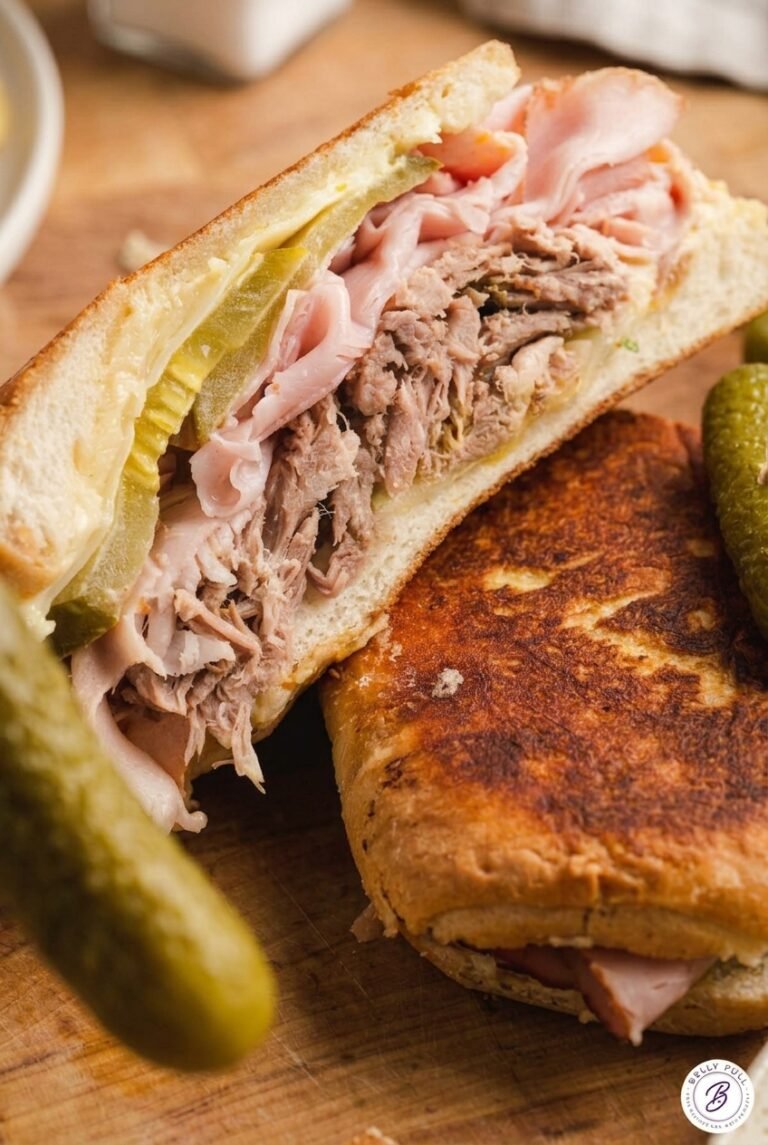
Cuban Sandwiches
🥪 Crispy Cuban bread packed with juicy roasted pork, savory ham, melty Swiss cheese, and tangy pickles – an irresistible handheld feast.
🍖 Authentic Miami flavors made easy at home, perfect for lunch or game day with layers of bold taste and perfect crunch!
- Total Time: 25 minutes
- Yield: 4 sandwiches
Ingredients
– 1 loaf, sliced into 8 to 12 inch lengths per sandwich Cuban bread Creates the classic crisp shell and soft interior
– Spread to taste Yellow mustard Adds sharp, tangy flavor
– Layered slices Swiss cheese Melts into the filling and binds the sandwich
– Thinly sliced Roasted pork Provides the main savory meat flavor
– Thinly sliced Ham Adds saltiness and depth
– Sliced Dill pickles Brings acidity and crunch
– Optional, thinly sliced, depending on region Salami Used in some regional versions, especially Tampa style
– Light amount for the outside Butter or olive oil Helps the bread crisp during pressing
Instructions
1-First Step: Prepare the breadStart by slicing the Cuban bread into 8 to 12 inch lengths for each sandwich. This size is traditional and gives enough room for even layering of the fillings. Lightly butter the outside of the bread or brush it with olive oil. This small step helps the exterior turn crisp and golden when pressed.
2-Second Step: Build the base layerOpen the bread and spread yellow mustard inside to taste. The mustard should be applied evenly but not so heavily that it overwhelms the other flavors. If you are making a South Florida version, keep the filling traditional. If you want a Tampa-style Cuban sandwich, plan to add salami later in the layering process.
3-Third Step: Add the meats and cheeseLayer the ham first, followed by the roasted pork. Add the Swiss cheese in slices so it can melt through the meat and help hold the sandwich together. If you are using salami, add thin slices as part of the meat layer. Keep the ingredients evenly distributed so every bite includes the full flavor of Cuban Sandwiches.
4-Fourth Step: Add the pickles and close the sandwichPlace sliced dill pickles over the meat and cheese. Their sharp flavor cuts through the richness of the pork, ham, and cheese. Close the sandwich carefully so the fillings stay centered. Use enough pressure to keep the layers compact, but do not flatten the bread before pressing.
5-Fifth Step: Press until crispPlace the assembled sandwich in a plancha or a similar sandwich press. Press it until the bread is crispy and the cheese melts. Even pressure matters here, because an uneven press can leave one side soft while the other side becomes too dark. If you do not have a plancha, a heavy skillet or grill press can work as a substitute.
6-Final Step: Slice and serveRemove the sandwich from the press and cut it diagonally. The diagonal cut gives a cleaner presentation and makes the layers easier to see. Serve Cuban Sandwiches right away while the bread is still crisp and the cheese is warm. For a party platter, cut each sandwich into smaller sections after the diagonal cut so guests can sample more than one version.
Last Step:
Please leave a rating and comment letting us know how you liked this recipe! This helps our business to thrive and continue providing free, high-quality recipes for you.Notes
🥖 Use fresh Cuban bread for the best texture and authenticity.
🌭 Add thinly sliced salami for the Tampa-style variation.
🍅 For Key West style, include lettuce, tomatoes, and mayonnaise.
- Prep Time: 15 minutes
- Cook Time: 10 minutes
- Category: Sandwiches
- Method: Panini Press
- Cuisine: Cuban
Nutrition
- Serving Size: 1 sandwich
- Calories: 823 kcal
- Sugar: 4g
- Sodium: 2100mg
- Fat: 45g
- Saturated Fat: 16g
- Unsaturated Fat: 25g
- Trans Fat: 0g
- Carbohydrates: 55g
- Fiber: 3g
- Protein: 50g
- Cholesterol: 150mg