
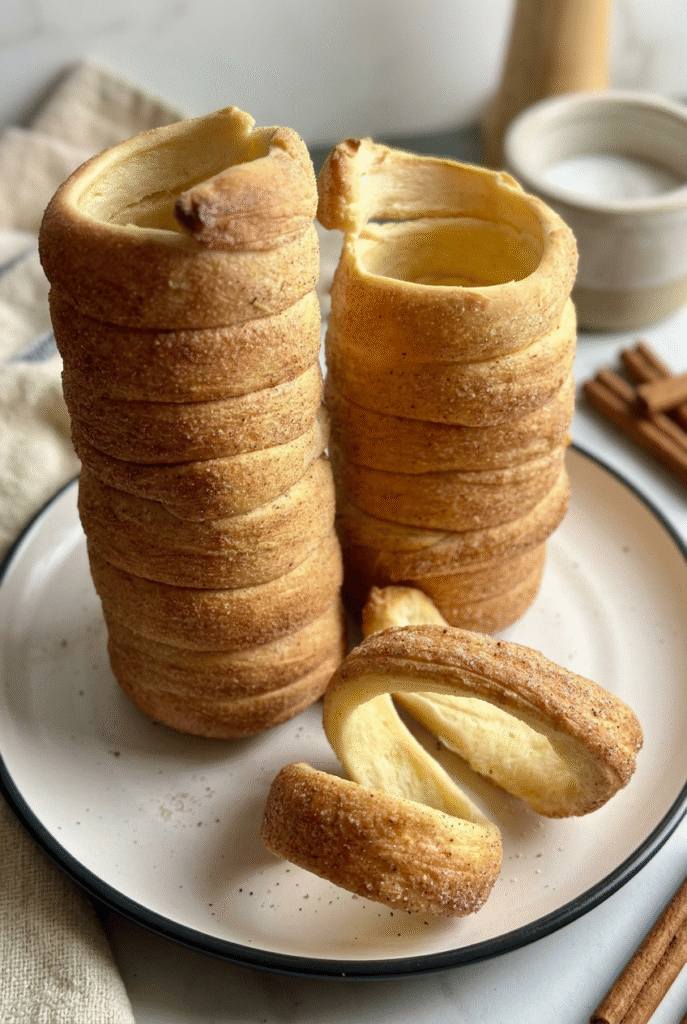
Why You’ll Love This Chimney Cake
Chimney cake, known as kürtöskalács, offers a delightful mix of tradition and simplicity that appeals to home cooks and baking enthusiasts alike. This authentic Hungarian chimney cake recipe stands out for its ease of preparation, making it accessible even for busy parents or working professionals seeking a quick yet impressive treat. With its versatile adaptations, it caters to a wide range of dietary needs while delivering a distinctive flavor profile that evokes centuries of culinary heritage.
- Ease of preparation: This recipe involves straightforward steps like mixing dough and roasting, which take about one to two hours total, fitting seamlessly into the schedules of students or seniors. The process requires basic kitchen tools, minimizing the need for specialized equipment and allowing beginners to achieve professional results without overwhelming complexity.
- Health benefits: Made primarily from carbohydrates in flour and sugar along with fats from butter and eggs, chimney cake provides quick energy, but options for vegan and gluten-free versions help diet-conscious individuals adjust for better nutritional balance. These adaptations reduce calories or eliminate allergens, supporting wellness goals while still offering the treat’s inherent satisfaction from its caramelized sugar coating.
- Versatility: Chimney cake adapts easily to different dietary preferences, such as using vegetable oil instead of butter or non-wheat flours for gluten-free needs, making it ideal for travelers and newlyweds exploring new flavors. Its base recipe serves as a canvas for toppings like nuts or cinnamon, allowing party hosts to customize it for various occasions and tastes.
- Distinctive flavor: The golden-brown, caramelized crust from roasting over an open fire imparts a unique sweet and crunchy texture that sets chimney cake apart from other pastries, appealing to food enthusiasts and entertainment lovers. Originating in Transylvania, this treat combines warm, fluffy interiors with customizable toppings, creating an authentic hungarian chimney cake experience that feels both nostalgic and innovative.
This chimney cake recipe not only simplifies baking but also brings a touch of cultural richness to your kitchen, perfect for family gatherings or solo indulgences. By incorporating elements like yeast-raised dough and basting with melted butter, it ensures a crisp exterior that enhances every bite. For those interested in more baking ideas, consider exploring our other baking recipes on the site.
Jump to:
- Why You’ll Love This Chimney Cake
- Essential Ingredients for Chimney Cake
- Main Ingredients
- Special Dietary Options
- How to Prepare the Perfect Chimney Cake: Step-by-Step Guide
- First Step: Prepare the Dough
- Second Step: Shape the Dough
- Third Step: Add Sugar and Toppings
- Fourth Step: Roast the Cake
- Final Step: Finish and Serve
- Dietary Substitutions to Customize Your Chimney Cake
- Protein and Main Component Alternatives
- Vegetable, Sauce, and Seasoning Modifications
- Mastering Chimney Cake: Advanced Tips and Variations
- How to Store Chimney Cake: Best Practices
- FAQs: Frequently Asked Questions About Chimney Cake
- What is chimney cake?
- Where did chimney cake originate?
- What are the main ingredients in chimney cake?
- How do you make chimney cake at home?
- What are the differences between chimney cake and trdelník?
- Chimney Cake
- Ingredients
- Instructions
- Last Step:
- Notes
- Nutrition
- Did you make this recipe?
Essential Ingredients for Chimney Cake
Gathering the right ingredients is key to creating an authentic chimney cake that captures the essence of traditional kürtöskalács. This section outlines the main components with precise measurements based on reliable sources, ensuring your recipe turns out perfectly. Each item includes an explanation of its role to help you understand its contribution to the final product.
Main Ingredients
- 500g flour – Forms the base of the dough, providing structure and a tender texture essential for the cake’s fluffy interior; use high-quality European-style flour for best results.
- 150g sugar – Sweetens the dough and creates the caramelized crust when rolled and roasted, adding the signature shine and crunch that defines a chimney cake recipe.
- 250ml warm milk – Activates the yeast and adds moisture, contributing to the dough’s rise and soft consistency; can be substituted with milk powder in modern variants for convenience.
- 100g melted butter – Provides richness and helps achieve a shiny crust during baking; in vegan versions, replace with vegetable oil or margarine to maintain texture without animal products.
- 2 eggs – Bind the ingredients and add depth to the flavor; some recipes omit them or use egg powder, but they enhance the traditional taste and structure.
- 20g yeast – Facilitates dough rising for a light, airy result; fresh or instant yeast works, with proofing time affecting the overall chimney cake preparation.
- A pinch of salt – Balances the sweetness and enhances overall flavor, ensuring the dough isn’t overly bland and complements the toppings.
- Ground or chopped walnuts (as needed for topping) – Adds a nutty crunch and extra flavor; vary quantities based on preference for a personalized touch.
- Almonds (as needed for topping) – Offers a subtle, toasted taste that pairs well with the caramelized sugar, making the cake more versatile for different palates.
- Cinnamon powder (as needed for topping) – Infuses warm, spicy notes that elevate the traditional hungarian chimney cake profile.
- Vanilla sugar (as needed for topping) – Provides aromatic sweetness, enhancing the dough’s flavor without overwhelming it.
- Coconut (as needed for topping) – Adds a tropical twist and texture, ideal for creative variations of this authentic hungarian chimney cake.
- Cocoa (as needed for topping) – Introduces a rich, chocolatey element for those seeking a deeper flavor profile.
- Powdered sugar (as needed for topping) – Dusts the finished cake for a sweet finish, adjustable based on desired sweetness levels.
Special Dietary Options
- Vegan: Use plant-based substitutes like vegetable oil or margarine instead of butter, and omit eggs or replace with alternatives such as flaxseed mixture to keep the dough cohesive while maintaining a gluten-free option if needed.
- Gluten-free: Opt for non-wheat flours like almond or oat flour in place of traditional flour to preserve the recipe’s structure and texture without compromising on taste.
- Low-calorie: Reduce sugar quantities or use sugar alternatives, and select low-fat milk options to lower the overall calorie content while still achieving the caramelized effect.
For more insights on ingredient benefits, visit this resource on sugar nutrition.
How to Prepare the Perfect Chimney Cake: Step-by-Step Guide
Creating an authentic chimney cake involves a detailed process that results in a delicious kürtöskalács ready for any occasion. This guide draws from traditional methods, including preparing a sweet yeast-raised dough and roasting it for that iconic caramelized crust. Total preparation time ranges from one to two hours, accounting for dough rising and baking.
First Step: Prepare the Dough
Mix 500g flour, 150g sugar, 250ml warm milk, 100g melted butter, 2 eggs, 20g yeast, and a pinch of salt in a large bowl until a smooth dough forms. Knead the mixture for about 10 minutes to develop gluten and ensure even texture, then cover and let it rise in a warm place for 1 hour until doubled in size.
Second Step: Shape the Dough
After rising, roll the dough into long strips about 1-inch thick on a floured surface. Wrap each strip spirally around a greased, truncated cone-shaped baking spit, pressing the layers together by rolling on a flat surface with sugar for a smoother, more compact shape.
Third Step: Add Sugar and Toppings
Roll the dough-covered spit in granulated sugar to coat evenly, which will melt and harden into a crisp crust during baking. At this stage, you can sprinkle on additional toppings like ground walnuts, almonds, or cinnamon powder for extra flavor.
Fourth Step: Roast the Cake
Roast the spit over an open fire or coals at around 400°F (200°C), rotating every 2-3 minutes for even cooking. Baste with melted butter every few minutes until the surface turns golden-brown and caramelized, typically taking 15-20 minutes.
Final Step: Finish and Serve
Remove the spit from the heat and let the cake cool slightly before sliding it off. Add any remaining toppings like coconut or cocoa, then serve warm for the best texture and flavor. This chimney cake recipe yields 4-6 cakes, perfect for sharing at gatherings. For related recipes, check our authentic Hungarian dishes page.

Dietary Substitutions to Customize Your Chimney Cake
Protein and Main Component Alternatives
To adapt this chimney cake recipe for various needs, consider swapping the main flour base with gluten-free options like almond flour to maintain structure without wheat. For those avoiding eggs, use flaxseed mixtures as a binding agent, ensuring the dough remains cohesive and rises properly in vegan versions.
Vegetable, Sauce, and Seasoning Modifications
Experiment with toppings by replacing nuts with seasonal fruits or using cinnamon alternatives like nutmeg for a fresh twist. For sauces, opt for a light glaze instead of butter basting to reduce fats, and adjust seasonings based on dietary restrictions to keep the authentic hungarian chimney cake flavorful yet accessible.
Mastering Chimney Cake: Advanced Tips and Variations
- Pro cooking techniques: Press dough layers firmly before roasting to achieve a compact texture, and use natural ingredients for traditional flavor as advised in expert tips.
- Flavor variations: Try adding cocoa or vanilla sugar to the dough for a unique twist on this chimney cake recipe.
- Presentation tips: Serve on a decorative platter with fresh fruits to enhance visual appeal for party hosts.
- Make-ahead options: Prepare dough in advance and refrigerate for up to 24 hours to fit busy schedules.
This treat’s caramelized sugar adds a delightful crunch, as noted in nutritional details from reliable sources.
How to Store Chimney Cake: Best Practices
| Storage Method | Guidelines |
|---|---|
| Refrigeration | Store in an airtight container for up to 2 days to keep it fresh; this short-term option maintains the cake’s texture for quick meals. |
| Freezing | Wrap tightly and freeze for up to 1 month; thaw at room temperature before reheating to preserve the caramelized crust. |
| Reheating | Use an oven at 350°F for 5-10 minutes to restore crispness, ensuring safety and quality for leftovers. |
| Meal Prep Considerations | Batch-cook and portion for easy access, ideal for busy parents or working professionals planning ahead. |

FAQs: Frequently Asked Questions About Chimney Cake
What is chimney cake?
Where did chimney cake originate?
What are the main ingredients in chimney cake?
How do you make chimney cake at home?
What are the differences between chimney cake and trdelník?
Chimney Cake
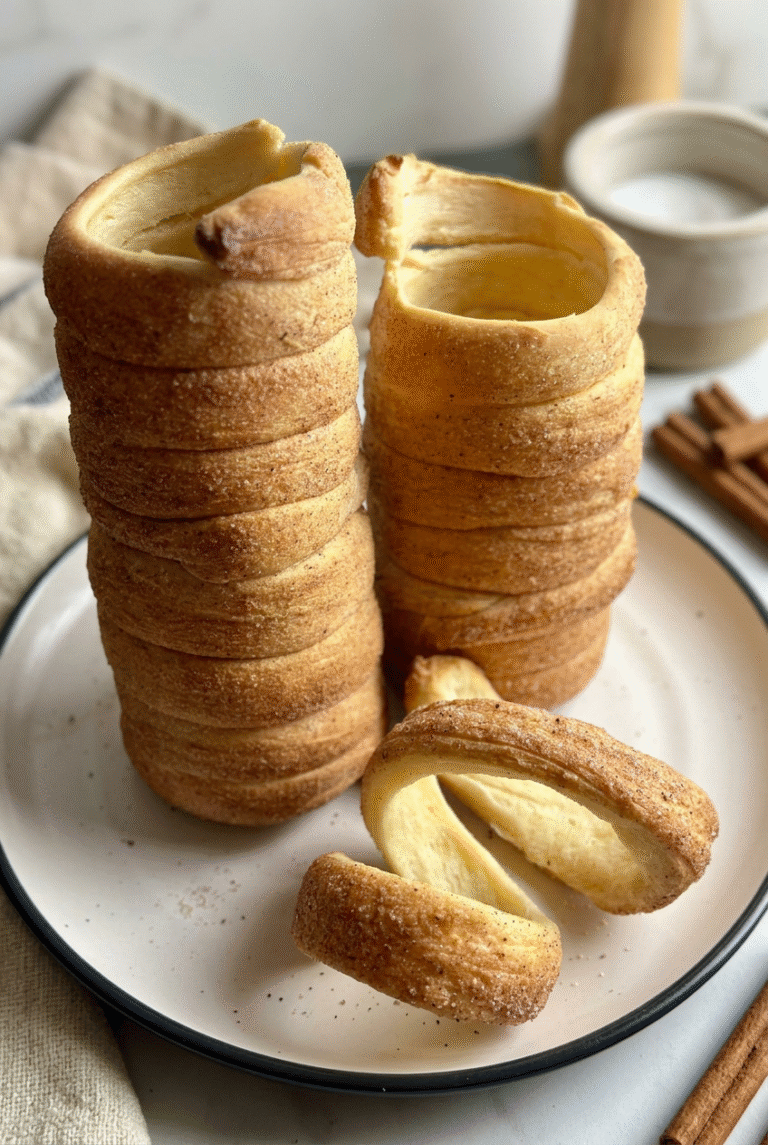
🎂 Indulge in this warm, caramelized Hungarian chimney cake that’s freshly baked for a delightful treat full of sweet aromas and crispy texture.
🔥 This authentic recipe brings street food magic home, perfect for sharing at festivals or cozy gatherings with customizable toppings for endless fun.
- Total Time: 2 hours
- Yield: 4 cakes
Ingredients
– 500g flour
– 150g sugar
– 250ml warm milk
– 100g melted butter
– 2 eggs
– 20g yeast
– A pinch of salt
– as needed ground or chopped walnuts for topping
– as needed almonds for topping
– as needed cinnamon powder for topping
– as needed vanilla sugar for topping
– as needed coconut for topping
– as needed cocoa for topping
– as needed powdered sugar for topping
Instructions
1-First Step: Prepare the Dough Mix 500g flour, 150g sugar, 250ml warm milk, 100g melted butter, 2 eggs, 20g yeast, and a pinch of salt in a large bowl until a smooth dough forms. Knead the mixture for about 10 minutes to develop gluten and ensure even texture, then cover and let it rise in a warm place for 1 hour until doubled in size.
2-Second Step: Shape the Dough After rising, roll the dough into long strips about 1-inch thick on a floured surface. Wrap each strip spirally around a greased, truncated cone-shaped baking spit, pressing the layers together by rolling on a flat surface with sugar for a smoother, more compact shape.
3-Third Step: Add Sugar and Toppings Roll the dough-covered spit in granulated sugar to coat evenly, which will melt and harden into a crisp crust during baking. At this stage, you can sprinkle on additional toppings like ground walnuts, almonds, or cinnamon powder for extra flavor.
4-Fourth Step: Roast the Cake Roast the spit over an open fire or coals at around 400°F (200°C), rotating every 2-3 minutes for even cooking. Baste with melted butter every few minutes until the surface turns golden-brown and caramelized, typically taking 15-20 minutes.
5-Final Step: Finish and Serve Remove the spit from the heat and let the cake cool slightly before sliding it off. Add any remaining toppings like coconut or cocoa, then serve warm for the best texture and flavor. This chimney cake recipe yields 4-6 cakes, perfect for sharing at gatherings. For related recipes, check our authentic Hungarian dishes page.
Last Step:
Please leave a rating and comment letting us know how you liked this recipe! This helps our business to thrive and continue providing free, high-quality recipes for you.Notes
🛠️ Press the dough layers together by gently rolling the wrapped spit on a sugared surface before baking to create a smoother, more compact cake.
🔥 Baste frequently with melted butter during roasting to achieve a shiny, crispy caramelized exterior that’s the hallmark of authentic kürtőskalács.
🍃 Experiment with natural toppings like walnuts and cinnamon for traditional flavors, or try modern ones like cocoa for variety.
- Prep Time: 30 minutes
- Rising Time: 1 hour
- Cook Time: 15 minutes
- Category: Dessert
- Method: Roasting
- Cuisine: Hungarian
- Diet: Omnivore
Nutrition
- Serving Size: 1 cake
- Calories: 450 kcal
- Sugar: 20 g
- Sodium: 100 mg
- Fat: 12 g
- Saturated Fat: 6 g
- Unsaturated Fat: 6 g
- Trans Fat: 0 g
- Carbohydrates: 75 g
- Fiber: 2 g
- Protein: 10 g
- Cholesterol: 50 mg