

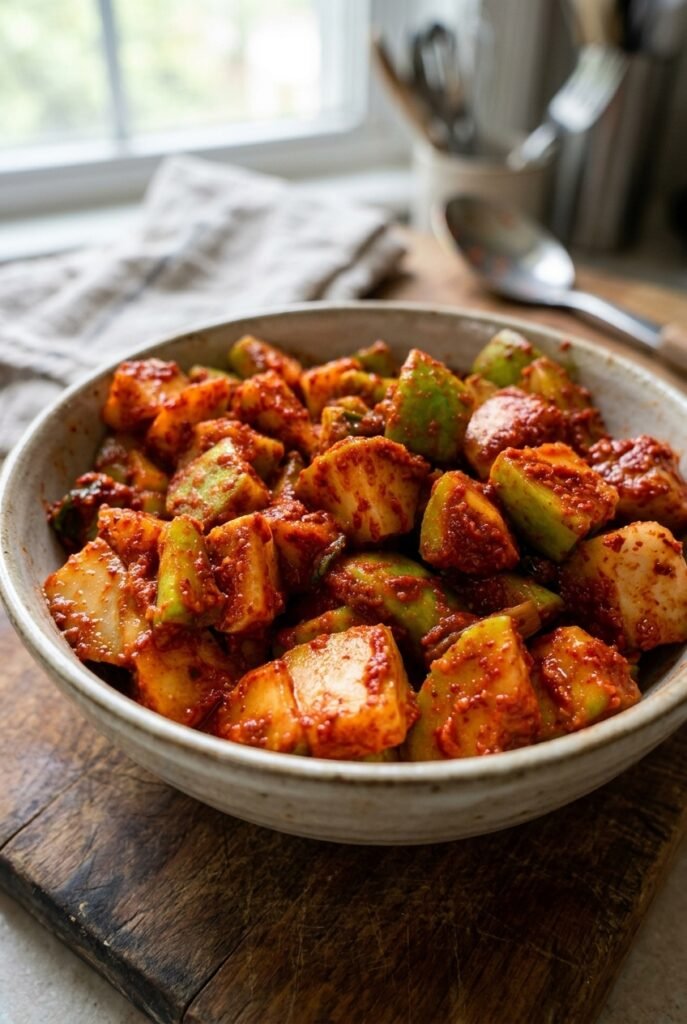
Why You’ll Love This Chayote Kimchi
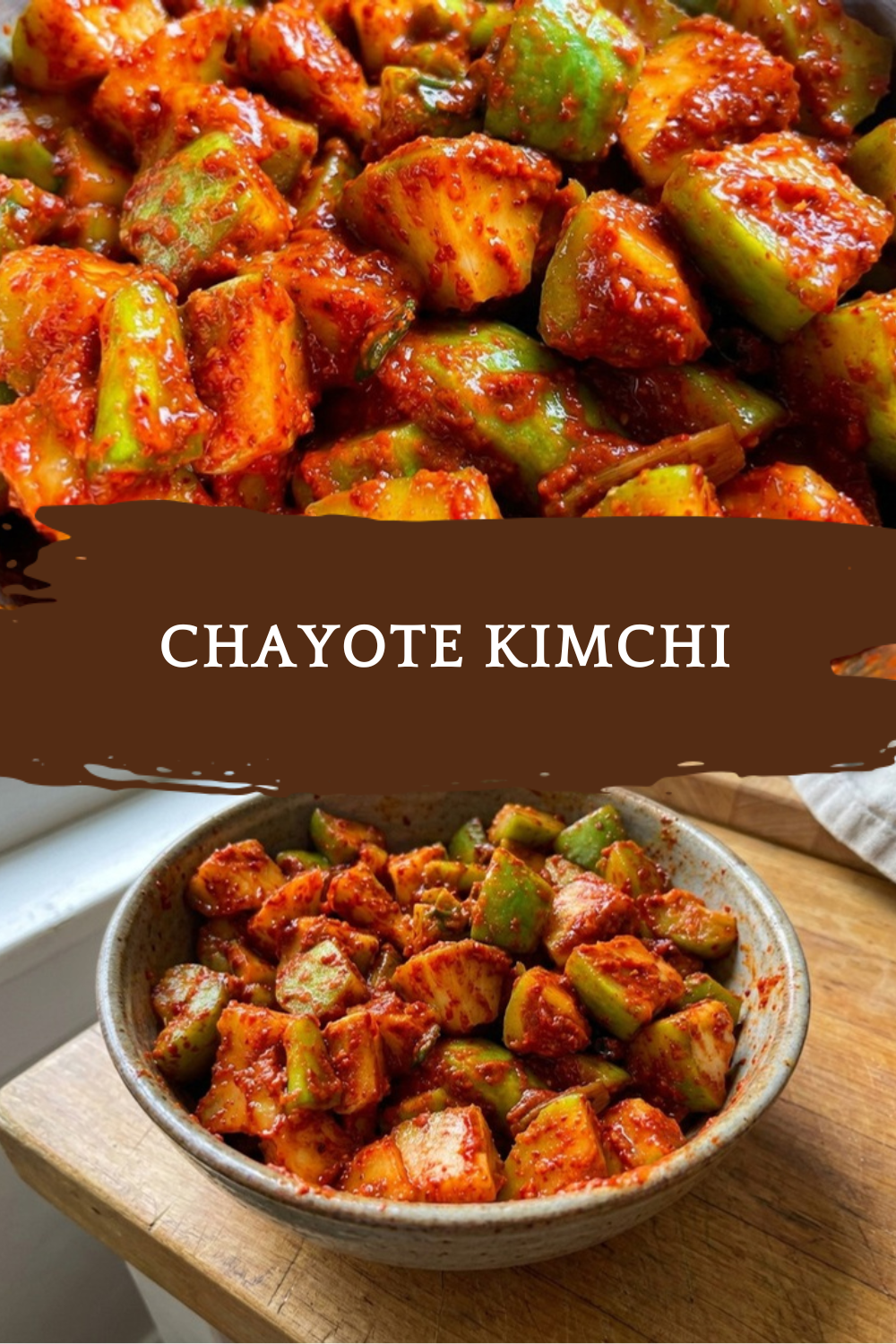
Chayote kimchi brings a fresh twist to traditional Korean flavors, making it a standout choice for home cooks looking to experiment. This recipe uses chayote, a crisp vegetable from Mexico and Central America, as a fun substitute for radish, giving you a sweet, melon-like firmness that stays crunchy even after fermentation. If you’re seeking something easy to whip up, this dish fits the bill with its simple steps and quick prep time.
One of the best parts is how it packs health benefits into every bite. Chayote is low in calories and carbs while being rich in vitamins, minerals, and antioxidants that support blood pressure, cholesterol levels, and circulation. Plus, the fermentation process adds probiotics, turning this into a gut-friendly option that feels light and refreshing. Whether you’re a busy parent or a student, this kimchi’s versatility makes it ideal for pairing with rice, soups, or even as a zesty pickle on its own.
- Ease of preparation: This recipe is straightforward and takes less than an hour of active time, perfect for beginners or those with packed schedules. You’ll only need basic kitchen tools, and the steps are simple enough to follow without any fancy skills, making it a go-to option for quick meals.
- Health benefits: Packed with nutrients, chayote kimchi helps with digestion thanks to its probiotics from fermentation, and it’s low-fat, low-sodium, and full of fiber that aids in overall wellness. This means you can enjoy it as part of a balanced diet, especially if you’re diet-conscious or looking to boost your daily intake of vitamins and antioxidants.
- Versatility: Adapt this kimchi to fit various meals, from a side with grilled dishes to a topping for tacos, appealing to food enthusiasts and travelers alike. It’s also easy to modify for different dietary needs, like vegan options, so newlyweds or seniors can enjoy it without hassle.
- Distinctive flavor: The spicy kick from Korean hot pepper flakes combined with chayote’s mild sweetness creates a unique taste that’s both refreshing and bold. This makes it a hit at parties or family gatherings, where it adds a fun crunch that elevates everyday meals for working professionals and baking enthusiasts.
By trying this chayote kimchi, you’re not just making a side dish you’re adding a versatile staple to your routine that feels exciting and healthful. For more ideas on incorporating fresh twists into your cooking, check out our simple smoothie recipes that pair well with fermented foods.
Jump to:
- Why You’ll Love This Chayote Kimchi
- Essential Ingredients for Chayote Kimchi
- Main Ingredients
- Special Dietary Options
- How to Prepare the Perfect Chayote Kimchi: Step-by-Step Guide
- First Step: Prepare the Chayote
- Second Step: Salt and Rest
- Third Step: Blend the Sauce
- Fourth Step: Mix and Pack
- Fifth Step: Ferment and Serve
- Dietary Substitutions to Customize Your Chayote Kimchi
- Protein and Main Component Alternatives
- Vegetable, Sauce, and Seasoning Modifications
- Mastering Chayote Kimchi: Advanced Tips and Variations
- Pro Cooking Techniques
- Flavor Variations
- Presentation Tips
- Make-Ahead Options
- How to Store Chayote Kimchi: Best Practices
- FAQs: Frequently Asked Questions About Chayote Kimchi
- What is chayote kimchi?
- What ingredients do I need for chayote kimchi?
- How do you prepare chayote for kimchi?
- Do you have to peel chayote when making kimchi?
- What are the health benefits of chayote kimchi?
- Chayote Kimchi
- Ingredients
- Instructions
- Last Step:
- Notes
- Nutrition
- Did you make this recipe?
Essential Ingredients for Chayote Kimchi
Gathering the right ingredients is key to creating a delicious chayote kimchi that’s full of flavor and crunch. This section breaks down everything you need, with precise measurements and a bit about why each one matters. We’ll start with the main components to keep things organized and easy to follow.
Main Ingredients
- 3 pounds deseeded chayotes (about 4 large) – This is the star of the dish, providing a crisp, melon-like texture that substitutes for radish and keeps its firmness after fermentation, making your kimchi refreshing and ideal for various meals.
- 2 tablespoons kosher salt – Used for salting the chayote to draw out moisture, which helps with the fermentation process and ensures the final product stays crunchy without sogginess.
- 4 garlic cloves – Adds a pungent, savory depth that enhances the overall flavor, working with other ingredients to create a smooth, creamy sauce.
- 1 teaspoon peeled ginger – Brings a warm, zesty note that complements the spiciness and aids in digestion, plus it’s packed with antioxidants for added health benefits.
- 1/3 cup onion – Provides a subtle sweetness and base for the sauce, helping to balance the heat and add layers of flavor to the kimchi.
- 1/4 cup fish sauce or soy sauce – Infuses umami and authenticity; use fish sauce for a traditional taste or soy sauce for a vegetarian option that keeps things savory and rich.
- 4 green onions, sliced diagonally – Offers a fresh, oniony crunch and vibrant color, making the kimchi more visually appealing and adding a slight sharpness to the mix.
- 1/2 cup Korean hot pepper flakes (gochu-garu) – Delivers the spicy kick that defines kimchi, allowing you to adjust heat levels while providing antioxidants that support health.
Special Dietary Options
- Vegan: Swap fish sauce with soy sauce to make this recipe fully plant-based, ensuring it remains flavorful and umami-rich without animal products.
- Gluten-free: Choose a gluten-free soy sauce or tamari as a substitute for fish sauce, keeping the dish accessible for those with gluten sensitivities while maintaining its taste.
- Low-calorie: This recipe is naturally low in calories due to chayote’s profile, so focus on using minimal oil or extras to keep it light for diet-conscious individuals.
With these ingredients, you’re set for about 3 pounds of kimchi. Remember, chayote’s mild sweetness mimics radish, making it a smart choice for a lighter, nutrient-packed dish. For more on chayote’s benefits, visit this helpful guide.
How to Prepare the Perfect Chayote Kimchi: Step-by-Step Guide
Making chayote kimchi at home is a rewarding process that results in a spicy, fermented delight ready to brighten your meals. This guide walks you through each step, using the provided directions to ensure your kimchi turns out crispy and full of flavor. We’ll cover everything from prep to fermentation, with timings included for smooth sailing.
First Step: Prepare the Chayote
Start by halving each chayote lengthwise and removing the seed. Then, slice them into 1/2-inch thick pieces lengthwise before cubing them into 1/2-inch pieces. Place these cubes in a large bowl. This initial prep, which takes about 10 minutes, helps release the vegetable’s natural juices and sets the stage for salting.
Second Step: Salt and Rest
Add 2 tablespoons of kosher salt to the chayote cubes and mix well. Let them rest for 30 minutes, turning every 10 minutes to ensure even salting. This step, lasting around 30 minutes total, draws out moisture, which is crucial for the fermentation process and keeps the kimchi crunchy.
Third Step: Blend the Sauce
Once the chayote has rested, drain the brine into a blender. Add 4 garlic cloves, 1 teaspoon peeled ginger, 1/3 cup onion, and 1/4 cup fish sauce or soy sauce to the blender. Blend until the mixture is smooth and creamy, which should take about 1 minute. This sauce forms the flavorful base that infuses the chayote with its spicy, tangy taste.
Fourth Step: Mix and Pack
Combine the blended sauce with the drained chayote cubes in the bowl. Add 1/2 cup Korean hot pepper flakes and 4 green onions sliced diagonally, then mix everything by hand. Pack the mixture into a jar, pressing down to remove air pockets, which takes 10-15 minutes. This ensures even fermentation and helps preserve the crunch.
Fifth Step: Ferment and Serve
Serve the kimchi fresh right away for a milder flavor, or let it ferment at room temperature for 1 to several days until it reaches your desired sourness it’s faster in warmer conditions. Once fermented, refrigerate it and use it promptly to maintain quality. Fermentation time is temperature-dependent, so monitor it closely. Overall, this recipe is simple and adaptable, making it perfect for home cooks of all levels. For a traditional comparison, check out this classic kimchi recipe.

Dietary Substitutions to Customize Your Chayote Kimchi
Protein and Main Component Alternatives
If you need to swap the main ingredient, consider using zucchini or cucumber instead of chayote for a similar crisp texture, though it might alter the sweetness slightly. For those avoiding nightshades, opt for milder vegetables like daikon to keep the fermentation process intact. These changes help maintain the dish’s core while catering to personal tastes or availability.
Vegetable, Sauce, and Seasoning Modifications
Experiment with adding carrots or bell peppers for extra crunch and color in the vegetable mix. For sauces, swap fish sauce with coconut aminos for a soy-free version, and adjust seasonings by reducing hot pepper flakes if you prefer less spice. These tweaks make the kimchi versatile for different seasons or dietary restrictions, ensuring everyone can enjoy it.
Mastering Chayote Kimchi: Advanced Tips and Variations
Pro Cooking Techniques
To achieve the best results, always use gloves when mixing to avoid staining your hands and ensure even distribution of flavors. Monitoring fermentation at room temperature speeds things up, but keep an eye on it in warmer spots to prevent over-souring for instance, aim for 1-2 days in a 75°F environment.
Flavor Variations
Try adding a touch of apple for natural sweetness or experiment with different herbs like cilantro for a fusion twist. For vegetarian versions, soy sauce works wonders, mimicking the umami of fish sauce while keeping things authentic yet adaptable.
Presentation Tips
Garnish with fresh herbs or sesame seeds to make your kimchi visually appealing for parties. Plating it in small bowls alongside rice enhances the meal experience for your guests.
Make-Ahead Options
Prep the chayote and sauce in advance, then store separately in the fridge for up to a day before mixing this is great for busy schedules.
How to Store Chayote Kimchi: Best Practices
Proper storage keeps your chayote kimchi fresh and safe to eat. For short-term needs, refrigerate it in an airtight jar, where it can last up to two weeks while maintaining its crunch.
For long-term options, freezing in portions helps preserve it for months; thaw in the fridge overnight before use. When reheating, do so gently in the microwave or on the stove to retain flavors, and always check for spoilage. These tips make batch cooking easy for meal prep.
FAQs: Frequently Asked Questions About Chayote Kimchi
What is chayote kimchi?
What ingredients do I need for chayote kimchi?
How do you prepare chayote for kimchi?
Do you have to peel chayote when making kimchi?
What are the health benefits of chayote kimchi?
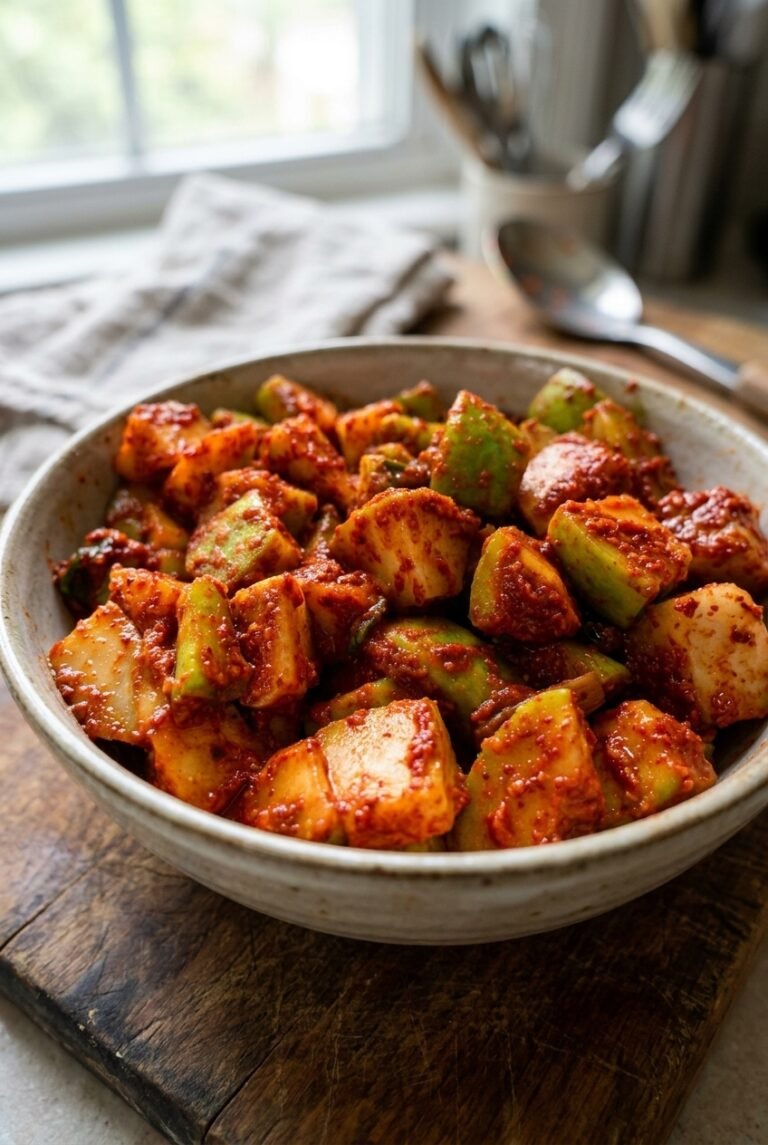
Chayote Kimchi
🥒 Discover the crisp, refreshing crunch of chayote in this fermented kimchi that’s low in calories and packed with probiotics for better gut health.
🌶️ Try this easy homemade delight to add a spicy, tangy twist to your meals, blending Mexican chayote with bold Korean flavors for a unique side dish.
- Total Time: 1 day 45 minutes
- Yield: 6 servings
Ingredients
– 3 pounds deseeded chayotes (about 4 large)
– 2 tablespoons kosher salt
– 4 garlic cloves
– 1 teaspoon peeled ginger
– 1/3 cup onion
– 1/4 cup fish sauce or soy sauce
– 4 green onions, sliced diagonally
– 1/2 cup Korean hot pepper flakes (gochu-garu)
Instructions
1-First Step: Prepare the Chayote Start by halving each chayote lengthwise and removing the seed. Then, slice them into 1/2-inch thick pieces lengthwise before cubing them into 1/2-inch pieces. Place these cubes in a large bowl. This initial prep, which takes about 10 minutes, helps release the vegetable’s natural juices and sets the stage for salting.
2-Second Step: Salt and Rest Add 2 tablespoons of kosher salt to the chayote cubes and mix well. Let them rest for 30 minutes, turning every 10 minutes to ensure even salting. This step, lasting around 30 minutes total, draws out moisture, which is crucial for the fermentation process and keeps the kimchi crunchy.
3-Third Step: Blend the Sauce Once the chayote has rested, drain the brine into a blender. Add 4 garlic cloves, 1 teaspoon peeled ginger, 1/3 cup onion, and 1/4 cup fish sauce or soy sauce to the blender. Blend until the mixture is smooth and creamy, which should take about 1 minute. This sauce forms the flavorful base that infuses the chayote with its spicy, tangy taste.
4-Fourth Step: Mix and Pack Combine the blended sauce with the drained chayote cubes in the bowl. Add 1/2 cup Korean hot pepper flakes and 4 green onions sliced diagonally, then mix everything by hand. Pack the mixture into a jar, pressing down to remove air pockets, which takes 10-15 minutes. This ensures even fermentation and helps preserve the crunch.
5-Fifth Step: Ferment and Serve Serve the kimchi fresh right away for a milder flavor, or let it ferment at room temperature for 1 to several days until it reaches your desired sourness it’s faster in warmer conditions. Once fermented, refrigerate it and use it promptly to maintain quality. Fermentation time is temperature-dependent, so monitor it closely. Overall, this recipe is simple and adaptable, making it perfect for home cooks of all levels. For a traditional comparison, check out this classic kimchi recipe.
Last Step:
Please leave a rating and comment letting us know how you liked this recipe! This helps our business to thrive and continue providing free, high-quality recipes for you.Notes
🧤 Wear gloves when mixing the ingredients by hand to protect your skin from the spicy pepper flakes.
🥒 Chayote maintains its crisp texture even after fermentation, offering a refreshing alternative to traditional radish kimchi.
🌡️ Keep an eye on the fermentation process at room temperature, especially in warm environments, to achieve the perfect tangy flavor without over-fermenting.
- Prep Time: 45 minutes
- Fermentation Time: 1-3 days
- Cook Time: 0 minutes
- Category: Side Dish
- Method: Fermenting
- Cuisine: Korean
- Diet: Vegan
Nutrition
- Serving Size: 1/2 cup
- Calories: 35 kcal
- Sugar: 2 g
- Sodium: 800 mg
- Fat: 1 g
- Saturated Fat: 0 g
- Unsaturated Fat: 1 g
- Trans Fat: 0 g
- Carbohydrates: 6 g
- Fiber: 2 g
- Protein: 1 g
- Cholesterol: 0 mg