
Why You’ll Love This Substitute For Baking Powder
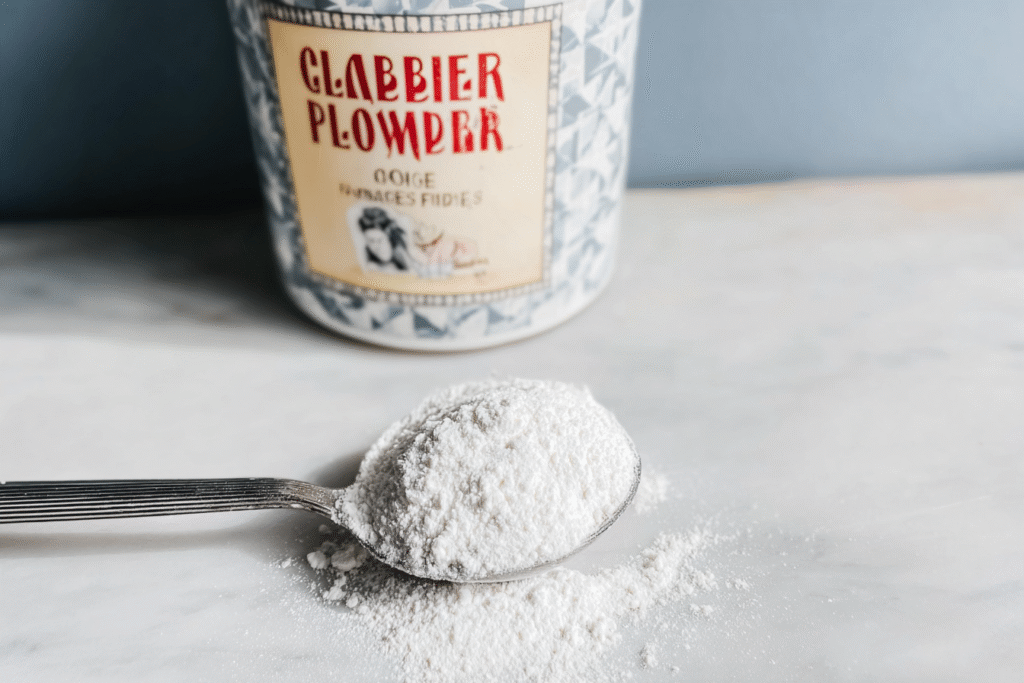
Running out of baking powder happens to everyone, but a reliable substitute for baking powder saves the day. These simple mixes use pantry basics to create the same lift in your baked goods. You get fluffy cakes, biscuits, and breads without a trip to the store.
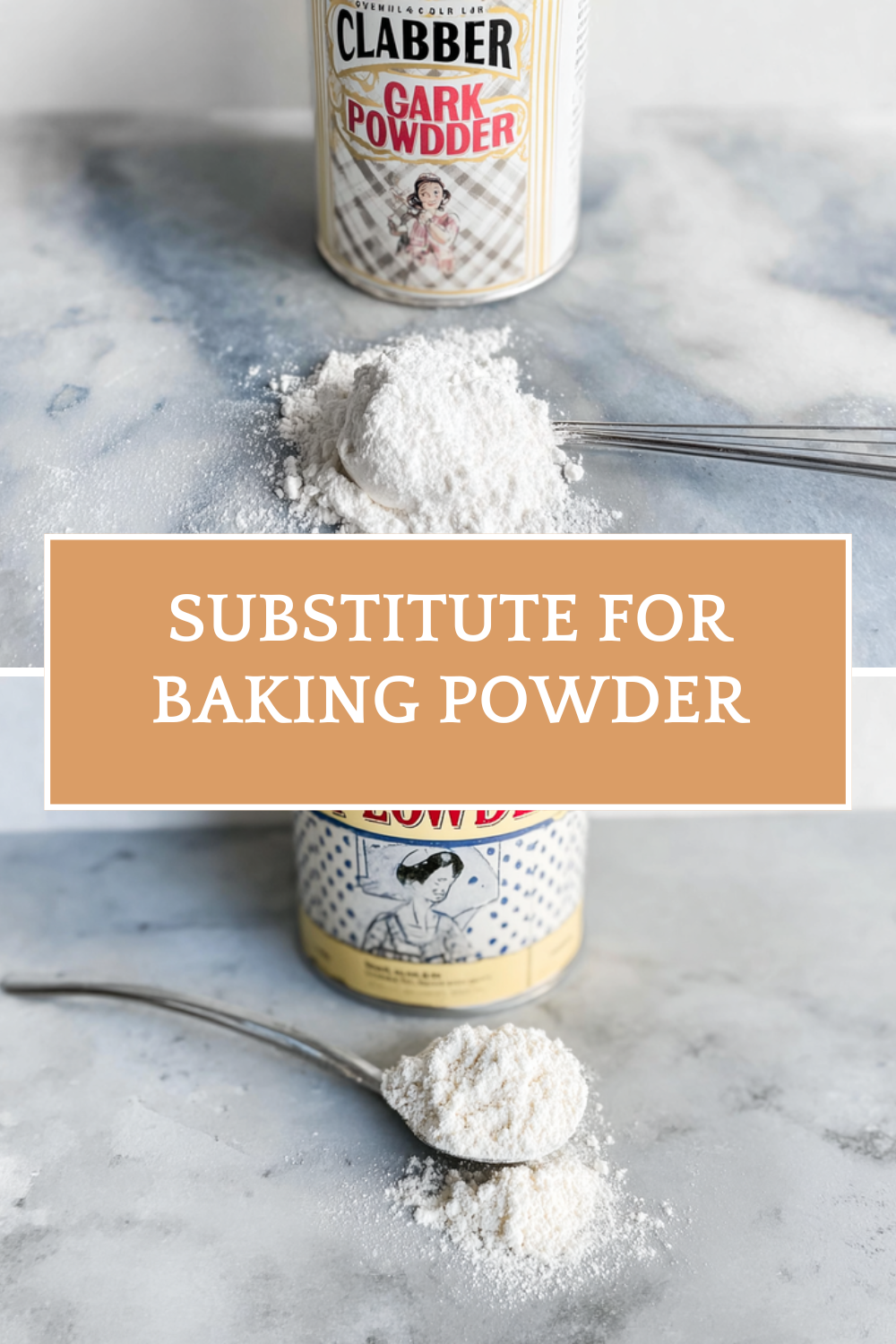
What to use instead of baking powder? Common options like baking soda paired with an acid work perfectly. They produce carbon dioxide for rise, just like commercial baking powder. Check out this list of effective baking powder substitutes for more ideas.
- Ease of preparation: Whip up a substitute in under a minute with items you already have. No special tools needed, just measure, mix, and add to your batter. This quick fix keeps your baking on track, even for last-minute treats.
- Health benefits: Skip additives and aluminum found in some store-bought powders. Homemade versions let you control ingredients, making them ideal for clean eating. They support digestion with natural acids like lemon juice and add no extra calories.
- Versatility: Adapt to cakes, pancakes, quick breads, or cookies. Works for vegan, gluten-free, and low-sodium diets with easy swaps. Perfect for busy parents or students whipping up no baking powder quick bread.
- Distinctive flavor: Adds a fresh tang from yogurt or vinegar that enhances muffins and scones. Avoids the flat taste of expired powder, giving baked goods a brighter profile.
These benefits make switching to a substitute a smart choice for home cooks and baking enthusiasts alike.
Jump to:
- Why You’ll Love This Substitute For Baking Powder
- Essential Ingredients for Substitute For Baking Powder
- How to Prepare the Perfect Substitute For Baking Powder: Step-by-Step Guide
- Basic Dry Mix (Homemade Baking Powder Recipe)
- Wet Acid Version for Baking Powder Substitute for Cake
- Pancake or Quick Bread Adaptation
- Dietary Substitutions to Customize Your Substitute For Baking Powder
- Leavener and Main Component Alternatives
- Vegetable, Sauce, and Seasoning Modifications
- Mastering Substitute For Baking Powder: Advanced Tips and Variations
- How to Store Substitute For Baking Powder: Best Practices
- FAQs: Frequently Asked Questions About Substitute For Baking Powder
- What can I use as a substitute for baking powder?
- How do I substitute baking powder with baking soda?
- What’s a good baking powder substitute for pancakes?
- Can I use self-rising flour instead of baking powder?
- What if a recipe calls for baking powder but I have none?
- Substitute For Baking Powder
- Ingredients
- Instructions
- Last Step:
- Notes
- Nutrition
- Did you make this recipe?
Essential Ingredients for Substitute For Baking Powder
Stock your pantry with these basics for any substitute for baking powder. The core combo mimics baking powder’s reaction: alkali plus acid equals bubbles and rise.
Main Ingredients:
- 1/4 teaspoon baking soda – The alkaline base that reacts with acid to create lift and fluffiness in batters.
- 1/2 teaspoon cream of tartar – Provides the necessary acid for activation, resulting in tender crumbs without bitterness.
- 1/4 teaspoon baking soda – Alternative mix with 1/2 teaspoon lemon juice for a citrusy lift in cakes.
- 1/2 teaspoon white vinegar – Sharp acid option that works instantly in pancakes and muffins.
- 1/4 teaspoon baking soda – Paired with 1/2 teaspoon plain yogurt for creamy tenderness.
- 1/2 teaspoon buttermilk – Tangy dairy acid that boosts flavor in biscuits.
- 1 cup self-rising flour – Replaces 1 cup all-purpose flour + 1.5 tsp baking powder + 1/2 tsp salt.
- 2 egg whites – Whipped to stiff peaks for natural aeration in sponges.
- 1/4 teaspoon baking soda – With 1/2 teaspoon club soda for fizzy rise in brownies.
- 1/4 teaspoon molasses – Combined with 1/4 teaspoon baking soda for chewy gingerbread.
| Amount of Baking Powder Needed | Substitute Mix | Best Uses |
|---|---|---|
| 1 tsp | 1/4 tsp baking soda + 1/2 tsp cream of tartar | Cakes, cookies |
| 1 tsp | 1/4 tsp baking soda + 1/2 tsp vinegar | Pancakes, quick bread |
| 1 tsp | 1/4 tsp baking soda + 1/2 tsp yogurt | Muffins, scones |
| 1.5 tsp (per cup flour) | 1 cup self-rising flour (omit salt) | Biscuits, cornbread |
Special Dietary Options:
- Vegan: Use vinegar, lemon juice, or club soda instead of yogurt or buttermilk.
- Gluten-free: All mixes are naturally gluten-free; pair with GF flour.
- Low-calorie: Stick to vinegar or lemon juice mixes, avoiding molasses.
Always measure precisely to balance the reaction and avoid soapy tastes.
How to Prepare the Perfect Substitute For Baking Powder: Step-by-Step Guide
Master a substitute for baking powder with these clear steps. Focus on the classic baking soda and cream of tartar mix first, then adapt for wet acids. This baking soda and acid substitute works in most recipes.
Basic Dry Mix (Homemade Baking Powder Recipe)
First Step: Gather your tools. Use dry measuring spoons and a small bowl for mixing. Preheat your oven if baking immediately to ensure even rise.
Second Step: Measure 1/4 teaspoon baking soda into the bowl. Sift it to break clumps for smooth distribution.
Third Step: Add 1/2 teaspoon cream of tartar. Stir gently with a fork until fully combined. This dry version stores well.
Fourth Step: Use 1 teaspoon of this mix to replace 1 teaspoon baking powder. Add to dry ingredients and sift together.
Wet Acid Version for Baking Powder Substitute for Cake
First Step: Identify the recipe’s liquid ingredients. For cakes, mix acids into wet components first.
Second Step: In a separate bowl, stir 1/2 teaspoon lemon juice or vinegar. Add 1/4 teaspoon baking soda slowly to fizz without overflow.
Third Step: Blend this into your milk, eggs, or batter liquids. Let sit 1 minute for full activation.
Fourth Step: Combine with dry flour mix. Fold gently to keep bubbles intact. Bake at 350°F for fluffy results.
Pancake or Quick Bread Adaptation
First Step: For no baking powder quick bread, double baking soda if using buttermilk (1/2 teaspoon soda per 1 tablespoon extra buttermilk).
Second Step: Whisk soda into flour, salt, and sugar. In another bowl, mix buttermilk with 1/2 teaspoon vinegar if needed.
Third Step: Pour wet into dry, stir until just moist. Rest batter 5 minutes for tender crumb.
Fourth Step: Cook on medium heat or bake 375°F for 20-25 minutes. Test doneness with toothpick.
Final Step: Cool completely. Store as directed. These methods yield pro-level lift every time.
Expand for larger batches: Scale up 4x for 1 tablespoon equivalent (1 tsp soda + 2 tsp cream of tartar). Test in small batches first. Timing matters: mix just before baking for max rise.

Dietary Substitutions to Customize Your Substitute For Baking Powder
Leavener and Main Component Alternatives
Swap baking soda if needed, but it’s pantry standard. For sodium concerns, use half amount with egg whites. Self-rising flour acts as full buttermilk substitute in one step.
- Yogurt replacement: 1/2 tsp lemon juice + 1/4 tsp soda.
- Buttermilk substitute: 1/4 cup milk + 1 tsp vinegar, then add soda.
Vegetable, Sauce, and Seasoning Modifications
No veggies here, but add purees like applesauce (1/4 cup replaces 1 tsp powder + moisture). For tang, swap vinegars: apple cider for milder taste. Season with cinnamon in sweet breads.
- Lemon juice mix: Fresh for bright zing in cakes.
- Baking soda vinegar: White for neutral, rice for subtle Asian breads.
- Dairy-free: Coconut yogurt works.
These tweaks fit diet-conscious folks and travelers.
Mastering Substitute For Baking Powder: Advanced Tips and Variations
- Pro cooking techniques: Sift twice for airy texture. Use room-temp liquids to speed reaction.
- Flavor variations: Baking powder substitute for cake – orange juice instead of lemon. Savory: pickle juice for cornbread.
- Presentation tips: Dust with powdered sugar. Stack pancakes high for wow factor.
- Make-ahead options: Dry mix lasts 6 months in jar. Label ratios clearly.
Learn more about baking soda substitutes for broader hacks. Check our pancake recipes for tested subs.
Rest batter 5-10 minutes post-mix for peak fluffiness.
How to Store Substitute For Baking Powder: Best Practices
- Refrigeration: Wet mixes use immediately; dry mix in airtight jar up to 3 months.
- Freezing: Portion dry sub in ice cube trays, freeze, then bag for 1 year.
- Reheating: Baked goods warm at 300°F covered; subs don’t need reheat.
- Meal prep considerations: Batch dry mix weekly. Test potency with hot water fizz.
FAQs: Frequently Asked Questions About Substitute For Baking Powder
What can I use as a substitute for baking powder?
How do I substitute baking powder with baking soda?
What’s a good baking powder substitute for pancakes?
Can I use self-rising flour instead of baking powder?
What if a recipe calls for baking powder but I have none?
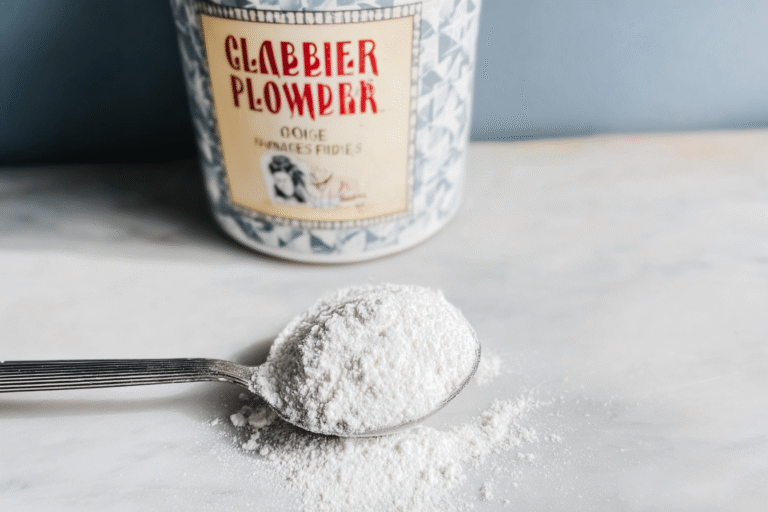
Substitute For Baking Powder
🧁 Whip up light, airy baked goods anytime with these foolproof substitutes that mimic baking powder’s magic perfectly!
🔄 Save money and space in your pantry using everyday ingredients for consistent rise in all your favorite recipes.
- Total Time: 1 minute
- Yield: 5 options (1 tsp each)
Ingredients
– 1/4 teaspoon baking soda for lift and fluffiness in batters
– 1/2 teaspoon cream of tartar for cakes, cookies
– 1/2 teaspoon lemon juice for a citrusy lift in cakes
– 1/2 teaspoon white vinegar for pancakes, quick bread
– 1/2 teaspoon plain yogurt for muffins, scones
– 1/2 teaspoon buttermilk for biscuits
– 1 cup self-rising flour for biscuits, cornbread
– 2 egg whites for natural aeration in sponges
– 1/2 teaspoon club soda for fizzy rise in brownies
– 1/4 teaspoon molasses for chewy gingerbread
Instructions
1-First Step: Gather your tools. Use dry measuring spoons and a small bowl for mixing. Preheat your oven if baking immediately to ensure even rise.
2-Second Step: Measure 1/4 teaspoon baking soda into the bowl. Sift it to break clumps for smooth distribution.
3-Third Step: Add 1/2 teaspoon cream of tartar. Stir gently with a fork until fully combined. This dry version stores well.
4-Fourth Step: Use 1 teaspoon of this mix to replace 1 teaspoon baking powder. Add to dry ingredients and sift together.
5-First Step: Identify the recipe’s liquid ingredients. For cakes, mix acids into wet components first.
6-Second Step: In a separate bowl, stir 1/2 teaspoon lemon juice or vinegar. Add 1/4 teaspoon baking soda slowly to fizz without overflow.
7-Third Step: Blend this into your milk, eggs, or batter liquids. Let sit 1 minute for full activation.
8-Fourth Step: Combine with dry flour mix. Fold gently to keep bubbles intact. Bake at 350°F for fluffy results.
9-First Step: For no baking powder quick bread, double baking soda if using buttermilk (1/2 teaspoon soda per 1 tablespoon extra buttermilk).
10-Second Step: Whisk soda into flour, salt, and sugar. In another bowl, mix buttermilk with 1/2 teaspoon vinegar if needed.
11-Third Step: Pour wet into dry, stir until just moist. Rest batter 5 minutes for tender crumb.
12-Fourth Step: Cook on medium heat or bake 375°F for 20-25 minutes. Test doneness with toothpick.
13-Final Step: Cool completely. Store as directed. These methods yield pro-level lift every time.
Last Step:
Please leave a rating and comment letting us know how you liked this recipe! This helps our business to thrive and continue providing free, high-quality recipes for you.Notes
💡 Cream of tartar + soda is the closest match – neutral flavor and reliable for most bakes.
🌿 Opt for liquid acids in chocolate or spiced recipes to mask tangy notes.
📏 Measure precisely; too much acid leads to collapse, too little to flat results.
- Prep Time: 1 minute
- Category: Baking Essentials
- Method: Substitution
- Diet: Vegan Options, Gluten-Free
Nutrition
- Serving Size: 1 tsp equivalent
- Calories: ~5 kcal
- Sugar: 0g
- Sodium: 300mg
- Fat: 0g
- Saturated Fat: 0g
- Unsaturated Fat: 0g
- Trans Fat: 0g
- Carbohydrates: 1g
- Fiber: 0g
- Protein: 0g
- Cholesterol: 0mg