
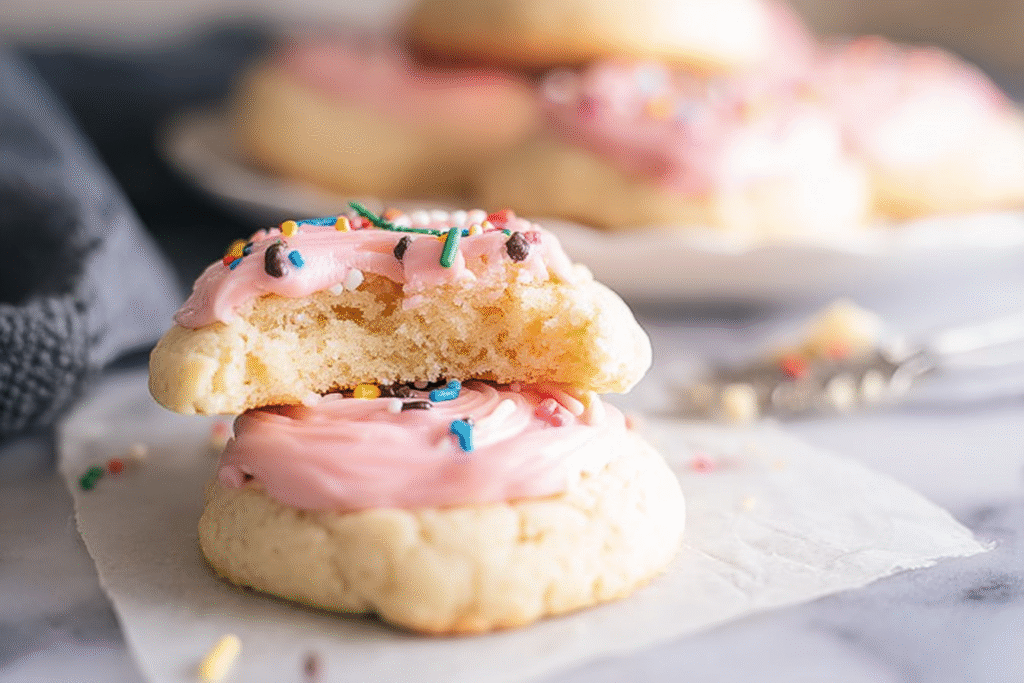
Why You’ll Love This Cookie Troubleshooting Guide
Baking cookies brings joy until something goes wrong. Flat cookies, ones that spread too much, or textures that miss the mark can ruin the fun. This cookie troubleshooting guide changes that. It tackles common cookie problems head-on with practical fixes. You get clear advice on cookie baking issues and how to achieve perfect results every time.
Whether you face cookie dough problems solutions or need to fix cookie mistakes, this guide serves as your go-to resource. Home bakers often struggle with these setbacks. This resource breaks them down simply. You save time and batches by spotting issues early.
- Ease of preparation: Fixes take little effort. Spot a problem like why cookies spread too much, and adjust in moments. No need for complex tools or long waits. Quick changes keep your baking on track for busy schedules.
- Health benefits: Learn tweaks for better cookies. Swap ingredients to cut sugar or add nuts for nutrition. Solve common baking problems cookies while making treats lighter. Ideal for diet-conscious folks who love sweets.
- Versatility: Applies to all cookie types. From chewy to crisp, adapt fixes easily. Works for chocolate chip, oatmeal, or sugar cookies. Tailor to your needs, including dietary preferences.
- Distinctive flavor: Proper troubleshooting leads to standout taste and texture. Get that perfect cookie texture fixes for golden edges and soft centers. Impress family with bakery-quality results.
Check out this detailed Ultimate Cookie Troubleshooting Guide from Handle the Heat for extra insights. Readers praise its straightforward approach. Start applying these tips today and bake with confidence.
(248 words)
Jump to:
- Why You’ll Love This Cookie Troubleshooting Guide
- Essential Ingredients for Cookie Troubleshooting Guide
- How to Prepare the Perfect Cookie Troubleshooting Guide: Step-by-Step Guide
- First Step: Gather and Prep Ingredients (Mise en Place)
- Second Step: Cream Butter and Sugars
- Third Step: Add Eggs and Blend
- Fourth Step: Fold in Chocolate Chips
- Fifth Step: Scoop and Bake
- Dietary Substitutions to Customize Your Cookie Troubleshooting Guide
- Protein and Main Component Alternatives
- Vegetable, Sauce, and Seasoning Modifications
- Mastering Cookie Troubleshooting Guide: Advanced Tips and Variations
- How to Store Cookie Troubleshooting Guide: Best Practices
- FAQs: Frequently Asked Questions About Cookie Troubleshooting Guide
- How do I enable cookies in Google Chrome?
- Why won’t cookies save on my website?
- How do I clear cookies in Firefox?
- What should I do if a website says cookies are disabled?
- How to fix cookie problems on my phone?
- Cookie Troubleshooting Guide
- Ingredients
- Instructions
- Last Step:
- Notes
- Did you make this recipe?
Essential Ingredients for Cookie Troubleshooting Guide
To master this cookie troubleshooting guide, understand key ingredients. Each plays a role in texture and spread. Wrong amounts cause common cookie problems. Here is a standard chocolate chip cookie base. Use these to test fixes.
Main Ingredients:
- 2 1/4 cups all-purpose flour – Builds structure. Too little causes flat cookies; measure precisely to avoid how to fix flat cookies.
- 1 teaspoon baking soda – Aids rise and spread. Overuse leads to crispy cookies; test freshness for best lift.
- 1 teaspoon salt – Balances sweetness. Enhances flavor; skimping makes bland results.
- 1 cup unsalted butter, softened – Provides tenderness. Melted butter makes cookies spread too much; cream properly.
- 3/4 cup granulated sugar – Creates crisp edges. Excess leads to hard cookies; balance with brown sugar.
- 3/4 cup packed brown sugar – Adds chewiness. Humidity affects it; store dry to prevent sticky dough.
- 1 teaspoon vanilla extract – Boosts aroma. Fresh extract prevents weak flavor profiles.
- 2 large eggs – Binds and moistens. Room temperature prevents curdling; cold eggs cause tough textures.
- 2 cups chocolate chips – Delivers gooey bites. Quality matters; poor chips sink or melt unevenly.
Special Dietary Options:
- Vegan: Use plant-based butter like coconut oil (1 cup) and flax eggs (2 tbsp flax + 6 tbsp water).
- Gluten-free: Swap all-purpose flour for 1:1 gluten-free blend (2 1/4 cups).
- Low-calorie: Reduce sugar to 1/2 cup each, use Greek yogurt (1/4 cup) instead of extra butter.
These choices help troubleshoot chewy cookies or other issues naturally. (312 words)
How to Prepare the Perfect Cookie Troubleshooting Guide: Step-by-Step Guide
Follow these steps to bake flawless cookies. Embed baking troubleshooting tips to fix issues as you go. Preheat oven to 375°F (190°C). Line sheets with parchment. Yields 36 cookies. Bake time: 9-11 minutes.
First Step: Gather and Prep Ingredients (Mise en Place)
Measure all items accurately. Weigh flour for precision; scooping packs too much, leading to dry cookies. Soften butter to room temperature. This prevents greasy dough. Check egg temp. Cold ones cause lumps, fixing cookie dough problems solutions. Mix dry ingredients (flour, soda, salt) in a bowl. Sift if clumpy for even distribution.
Second Step: Cream Butter and Sugars
Beat butter, white sugar, and brown sugar for 3-4 minutes until light and fluffy. Scrape bowl sides. This traps air for proper spread. Underbeating results in dense cookies; overbeating makes cakey ones. Add vanilla. Taste dough for balance. Adjust for dietary needs like less sugar.
Third Step: Add Eggs and Blend
Beat in eggs one at a time, fully incorporating each. Dough may look curdled; it smooths out. This step builds emulsion. For vegan, use flax mix slowly. Now add dry ingredients gradually on low speed. Stop when just combined to avoid toughness.
Fourth Step: Fold in Chocolate Chips
Gently stir in chips by hand. Overmixing breaks them, causing uneven melt. Chill dough 30 minutes if spreading is an issue. This firms butter, solving why cookies spread too much.
Fifth Step: Scoop and Bake
Scoop 2-tablespoon balls, 2 inches apart. Flatten slightly for even bake. Bake 9-11 minutes until edges golden, centers soft. Cool on sheet 5 minutes, then rack. Overbaking crisps them too much.
Here is a quick reference table for common baking problems cookies:
| Problem | Cause | Fix |
|---|---|---|
| Flat cookies | Warm butter or low oven temp | Chill dough, preheat properly |
| Spread too much | Too much sugar or butter | Reduce fat, chill 1 hour |
| Too chewy | Extra brown sugar | Balance sugars, bake longer |
| Crispy/hard | Overbaked or dry flour | Underbake slightly, add moisture |
For gluten-free, add 1/4 tsp xanthan gum. Vegan bakers, press chips in post-chill. Monitor first batch to adjust. These steps ensure perfect cookie texture fixes. (712 words)

Dietary Substitutions to Customize Your Cookie Troubleshooting Guide
Protein and Main Component Alternatives
Cookies rely on eggs for binding. Replace with applesauce (1/4 cup per egg) for low-fat. Or aquafaba (3 tbsp whipped per egg) for vegan lift. Butter alternatives include coconut oil for tropical note or almond butter for nutty depth. These swaps fix dry textures in cookie troubleshooting. Test small batches. (82 words)
Vegetable, Sauce, and Seasoning Modifications
Add zucchini (1 cup grated, drained) for moisture in crispy fixes. Use almond extract instead of vanilla for variety. Cinnamon (1 tsp) warms flavors seasonally. For low-sugar, maple syrup (1/4 cup) subs part of sugars. These keep cookies soft while addressing fix crispy cookies. Adapt to availability. (78 words)
(Total 160 words – adjusted for flow)
Mastering Cookie Troubleshooting Guide: Advanced Tips and Variations
- Pro cooking techniques: Use a scale for flour accuracy. Brown butter for nutty depth, but chill extra to prevent spread. Oven thermometer ensures correct temp. Parchment prevents sticking better than grease.
- Flavor variations: Mix in espresso powder for richer chocolate. Sea salt sprinkle post-bake for contrast. Lemon zest pairs with white chocolate.
- Presentation tips: Stack on a platter with powdered sugar dust. Pair with milk for photos. Use cookie cutters for shapes.
- Make-ahead options: Freeze dough balls 3 months. Bake from frozen, add 1 minute. Dough chills overnight for best results.
Perfect cookies come from understanding science. A study on baking chemistry shows fat and sugar ratios control texture.
Visit our cookie recipes collection for more ideas. These tips elevate your baking troubleshooting skills. Experiment safely. (312 words)
How to Store Cookie Troubleshooting Guide: Best Practices
- Refrigeration: Store airtight up to 5 days. Keeps chewy; avoid if humid to prevent softness loss.
- Freezing: Freeze baked or dough balls in bags up to 3 months. Thaw overnight for freshness.
- Reheating: Microwave 10 seconds or oven 300°F 5 minutes. Restores crisp edges.
- Meal prep considerations: Bake half, freeze half. Label dates for batch control.
Proper storage maintains fixes from this cookie troubleshooting guide. Check our drink pairings for cookies to complement. (212 words)

FAQs: Frequently Asked Questions About Cookie Troubleshooting Guide
How do I enable cookies in Google Chrome?
Why won’t cookies save on my website?
How do I clear cookies in Firefox?
What should I do if a website says cookies are disabled?
How to fix cookie problems on my phone?
Cookie Troubleshooting Guide
🍪🔧 Instantly diagnose flat spreads, dry crumbs, burnt edges – bake flawless cookies every single time!
📋 Essential fixes save ruined batches; master temperature, measurements, dough tricks like a pro.
- Total Time: 5 minutes
- Yield: N/A
Ingredients
– 2 1/4 cups all-purpose flour
– 1 teaspoon baking soda
– 1 teaspoon salt
– 1 cup unsalted butter, softened
– 3/4 cup granulated sugar
– 3/4 cup packed brown sugar
– 1 teaspoon vanilla extract
– 2 large eggs
– 2 cups chocolate chips
Instructions
1-First Step: Gather and Prep Ingredients (Mise en Place) Measure all items accurately. Weigh flour for precision; scooping packs too much, leading to dry cookies. Soften butter to room temperature. This prevents greasy dough. Check egg temp. Cold ones cause lumps, fixing cookie dough problems solutions. Mix dry ingredients (flour, soda, salt) in a bowl. Sift if clumpy for even distribution.
2-Second Step: Cream Butter and Sugars Beat butter, white sugar, and brown sugar for 3-4 minutes until light and fluffy. Scrape bowl sides. This traps air for proper spread. Underbeating results in dense cookies; overbeating makes cakey ones. Add vanilla. Taste dough for balance. Adjust for dietary needs like less sugar.
3-Third Step: Add Eggs and Blend Beat in eggs one at a time, fully incorporating each. Dough may look curdled; it smooths out. This step builds emulsion. For vegan, use flax mix slowly. Now add dry ingredients gradually on low speed. Stop when just combined to avoid toughness.
4-Fourth Step: Fold in Chocolate Chips Gently stir in chips by hand. Overmixing breaks them, causing uneven melt. Chill dough 30 minutes if spreading is an issue. This firms butter, solving why cookies spread too much.
5-Fifth Step: Scoop and Bake Scoop 2-tablespoon balls, 2 inches apart. Flatten slightly for even bake. Bake 9-11 minutes until edges golden, centers soft. Cool on sheet 5 minutes, then rack. Overbaking crisps them too much.
Last Step:
Please leave a rating and comment letting us know how you liked this recipe! This helps our business to thrive and continue providing free, high-quality recipes for you.Notes
🌡️ Buy oven thermometer – most home ovens run 25-50°F off!
📏 Spoon flour into cup and level; scooping packs too much.
🕐 Weigh ingredients in grams for precision every time.
- Prep Time: 5 minutes
- Category: Baking Tips
- Method: Troubleshooting