
Why You’ll Love This Cookie Butter
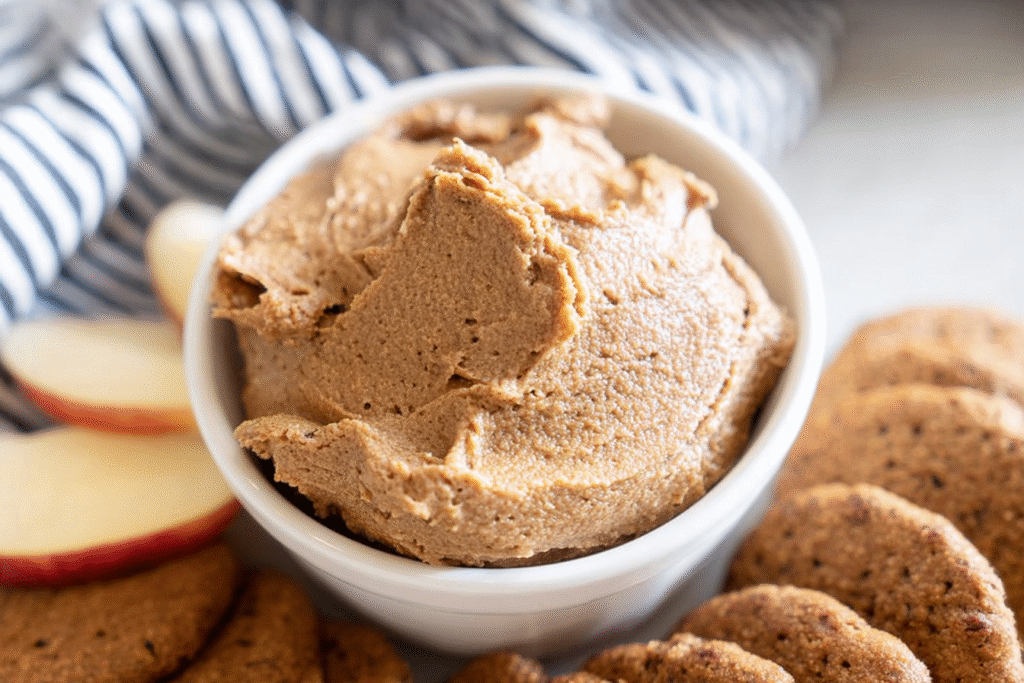
This homemade cookie butter captures the essence of speculoos spread in a simple way that fits right into your kitchen routine. Busy parents and baking enthusiasts alike appreciate its quick assembly, turning basic pantry items into a jar of pure joy. Whether you spread it on toast or mix it into smoothies, this cookie butter recipe delivers big on flavor without the hassle.
- Ease of preparation: Whip up this easy homemade cookie butter recipe in under 10 minutes with minimal tools. No baking required, just a blender or food processor, making it perfect for students and working professionals who want quick treats. Its straightforward steps mean even beginners can nail the perfect texture on the first try.
- Health benefits: Compared to store-bought options, this DIY cookie butter from Biscoff cookies lets you control sugar and use healthier fats like coconut oil. At around 100-150 calories per serving, it offers a satisfying sweet fix with spices that aid digestion, ideal for diet-conscious individuals seeking balance.
- Versatility: Adapt this biscoff spread for vegan, gluten-free, or low-calorie needs effortlessly. Use it as a dip for fruit, filling for crepes, or base for energy balls, suiting party hosts, travelers, and seniors who need portable snacks.
- Distinctive flavor: Warm cinnamon, caramel, and spice notes mimic fresh speculoos cookies, setting this cookie butter apart from nut butters. Newlyweds and food enthusiasts love its cozy vibe, reminiscent of gingerbread without the oven time.
Transform everyday snacking with this cookie butter that rivals Trader Joe’s versions but costs a fraction.
Food enthusiasts rave about its spreadable dreaminess, perfect for pairing with your favorite iced tea from KitchenCC beverage recipes.
Jump to:
- Why You’ll Love This Cookie Butter
- Essential Ingredients for Cookie Butter
- How to Prepare the Perfect Cookie Butter: Step-by-Step Guide
- First Step: Gather and Prepare Ingredients
- Second Step: Crush the Cookies
- Third Step: Incorporate Wet Ingredients
- Fourth Step: Achieve Desired Consistency
- Fifth Step: Transfer and Cool
- Dietary Substitutions to Customize Your Cookie Butter
- Main Component Alternatives
- Sweetener, Oil, and Seasoning Modifications
- Mastering Cookie Butter: Advanced Tips and Variations
- How to Store Cookie Butter: Best Practices
- FAQs: Frequently Asked Questions About Cookie Butter
- What is cookie butter?
- What does cookie butter taste like?
- Is cookie butter vegan?
- How do you make cookie butter at home?
- How long does cookie butter last and how should you store it?
- Cookie Butter
- Ingredients
- Instructions
- Last Step:
- Notes
- Nutrition
- Did you make this recipe?
Essential Ingredients for Cookie Butter
Gather these items for your cookie butter recipe. Each plays a key role in achieving that creamy, dreamy consistency of homemade cookie butter.
Main Ingredients:
- 16 oz Biscoff or speculoos cookies – Forms the rich, spiced base mimicking caramelized gingerbread flavor, crushed for smooth or chunky texture.
- 1/4 cup melted coconut oil – Provides creaminess and healthy fats, helping bind everything without dairy for a silky speculoos spread.
- 2 tbsp brown sugar – Adds depth with molasses notes, enhancing the natural sweetness of cookies for authentic biscoff spread taste.
- 2-4 tbsp water or plant milk – Adjusts consistency to peanut butter-like spreadability, preventing dryness while keeping it light.
Special Dietary Options:
- Vegan: Stick with Biscoff cookies, coconut oil, agave instead of brown sugar, and almond milk.
- Gluten-free: Use certified gluten-free speculoos cookies (Lotus Biscoff is under 20ppm gluten).
- Low-calorie: Reduce oil to 2 tbsp, use stevia, and opt for fewer cookies with added cinnamon for flavor boost.
These choices make your how to make cookie butter at home process flexible for any lifestyle.
How to Prepare the Perfect Cookie Butter: Step-by-Step Guide
Follow this detailed cookie butter recipe without food processor if needed, though a processor speeds things up. This easy homemade cookie butter recipe yields about 2 cups, enough for weeks of snacking. Prep time: 5 minutes. Total time: 10 minutes.
First Step: Gather and Prepare Ingredients
Start your mise en place by measuring out 16 oz Biscoff or speculoos cookies. Break them into smaller pieces for easier blending, especially if using a blender instead of a food processor for this DIY cookie butter from Biscoff cookies. Melt 1/4 cup coconut oil in the microwave for 20-30 seconds until liquid. Have 2 tbsp brown sugar and 2-4 tbsp water or plant milk ready nearby. This setup keeps the process smooth for busy parents or students.
Second Step: Crush the Cookies
Add the cookie pieces to your food processor or high-speed blender. Pulse until they turn into fine crumbs, about 1-2 minutes. Scrape down the sides to ensure even grinding. For a cookie butter recipe without food processor, place cookies in a zip-top bag and crush with a rolling pin, then transfer to a bowl. This step releases the spices, filling your kitchen with that irresistible speculoos aroma.
Third Step: Incorporate Wet Ingredients
Pour in the melted coconut oil and brown sugar over the crumbs. Start the processor and blend for 30 seconds. Gradually add 2 tbsp water or plant milk while running, increasing by 1 tbsp at a time until it forms a thick paste. Vegan adaptations shine here with plant milk. Blend another 1-2 minutes, pausing to scrape as needed. The mixture should pull away from the sides like dough.
Fourth Step: Achieve Desired Consistency
Test the texture by scooping some out; it should spread easily like peanut butter. If too thick, add another tbsp liquid and blend 20 seconds more. For chunky homemade cookie butter, reserve 1/4 cup crumbs and pulse them in at the end. Taste and adjust sweetness if desired, but the cookies provide plenty. This customization suits diet-conscious tweaks effortlessly.
Fifth Step: Transfer and Cool
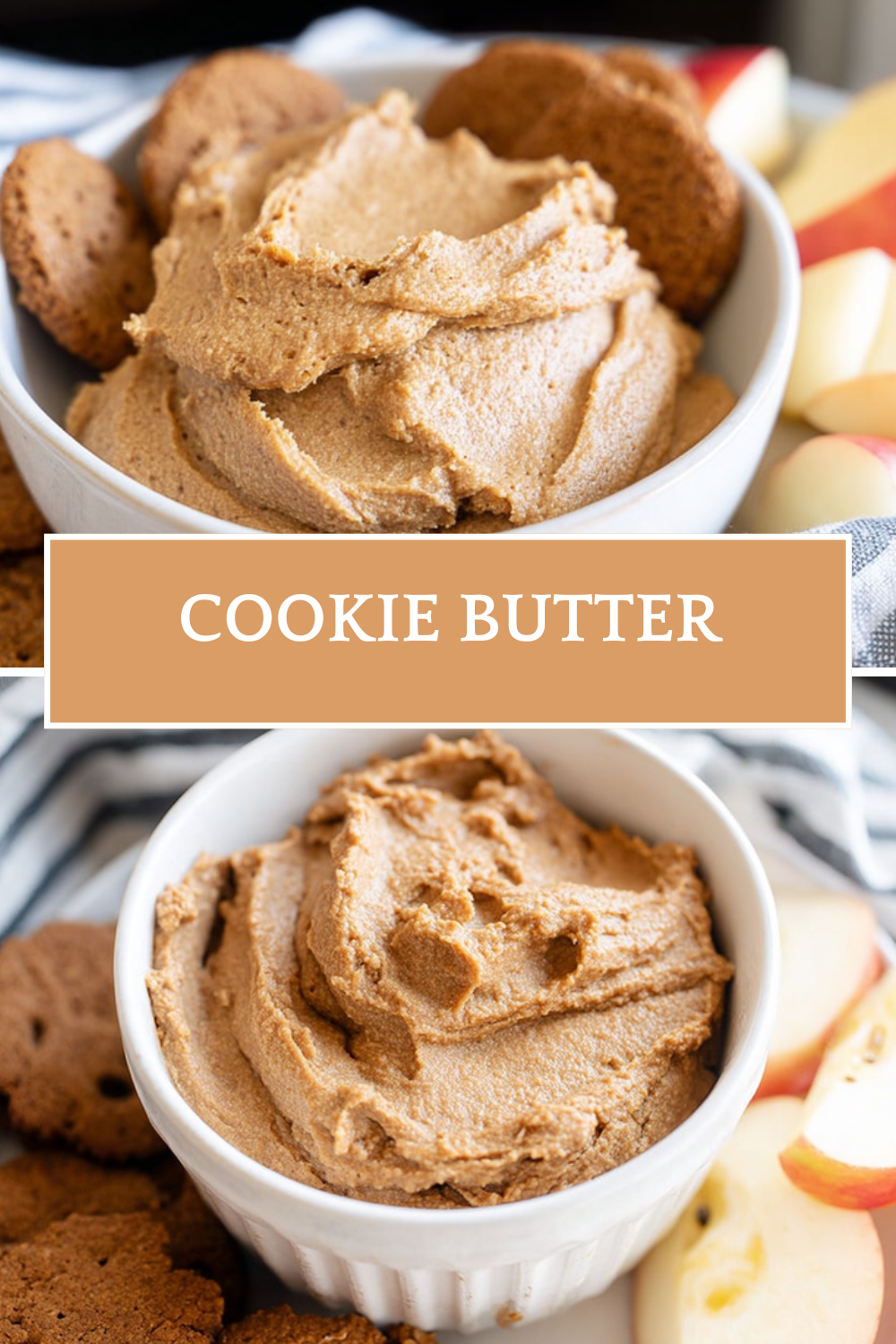
Scoop the finished biscoff spread into a clean glass jar. Let it cool at room temperature for 30 minutes; it firms up slightly. Seal tightly. For gluten-free or low-calorie versions, note the oil choice impacts spreadability. Your cookie butter is now ready to enjoy on toast, in oatmeal, or as a fruit dip.
Common pitfalls: Over-blending leads to oily texture, so pulse carefully. Undermixing leaves it dry, so add liquid slowly. Store-bought fans will love how fresh this tastes. Pair with a zesty lemonade for the ultimate snack from refreshing KitchenCC drinks. This method works for party hosts prepping ahead.
| Step | Time | Tool Needed | Tip for Success |
|---|---|---|---|
| Crush Cookies | 1-2 min | Processor/Blender | Pulse to avoid overheating |
| Add Liquids | 2-3 min | Same | Add gradually for control |
| Blend to Smooth | 1 min | Same | Scrape sides often |

Dietary Substitutions to Customize Your Cookie Butter
Main Component Alternatives
Swap Biscoff cookies for gluten-free graham crackers or vegan ginger snaps to keep the spiced profile in your speculoos spread. For nut-free assurance, confirm cookie labels. Low-carb fans can use almond flour-based cookies blended with extra oil, reducing carbs while maintaining cookie butter richness. These changes make it accessible for seniors or travelers with restrictions.
Sweetener, Oil, and Seasoning Modifications
Replace brown sugar with maple syrup or monk fruit for low-calorie versions. Use sunflower oil instead of coconut for neutral taste or allergies. Boost with extra cinnamon, vanilla extract, or a pinch of salt for flavor twists. Seasonal tweaks like pumpkin spice in fall adapt to preferences, ensuring your homemade cookie butter suits any diet.
Mastering Cookie Butter: Advanced Tips and Variations
Take your cookie butter recipe to the next level with these pro insights. Baking enthusiasts will appreciate the nuances for superior results.
Pro cooking techniques: Warm your processor bowl first for faster emulsification. Blend in short bursts to prevent overheating, preserving spice oils.
Flavor variations:
- Chocolate: Add 2 tbsp cocoa powder.
- Peanut: Mix in 2 tbsp peanut butter.
- Matcha: 1 tsp matcha for green tea twist.
Presentation tips: Swirl into yogurt parfaits or pipe onto apple slices for party appeal. Garnish jars with cookie crumbles.
Make-ahead options: Double batch and freeze scoops in ice cube trays for quick thawing. Ideal for working professionals.
Check out this detailed homemade cookie butter guide for more inspiration. Variations keep it exciting for food enthusiasts.
How to Store Cookie Butter: Best Practices
Proper storage keeps your biscoff spread fresh and flavorful. Follow these tips for longevity.
Refrigeration: Store in an airtight jar in the fridge for up to 3 months. It firms up but softens at room temp quickly.
Freezing: Portion into freezer bags; lasts 6 months. Thaw overnight in fridge.
Reheating: Microwave 10 seconds or stir over warm water to restore creaminess. Avoid direct heat.
Meal prep considerations: Make weekly batches for snacks. Stir if oil separates. For more on health aspects, see is cookie butter healthy.
Room temp storage below 70°F works best for daily use, up to 2-3 months opened.
FAQs: Frequently Asked Questions About Cookie Butter
What is cookie butter?
What does cookie butter taste like?
Is cookie butter vegan?
How do you make cookie butter at home?
How long does cookie butter last and how should you store it?
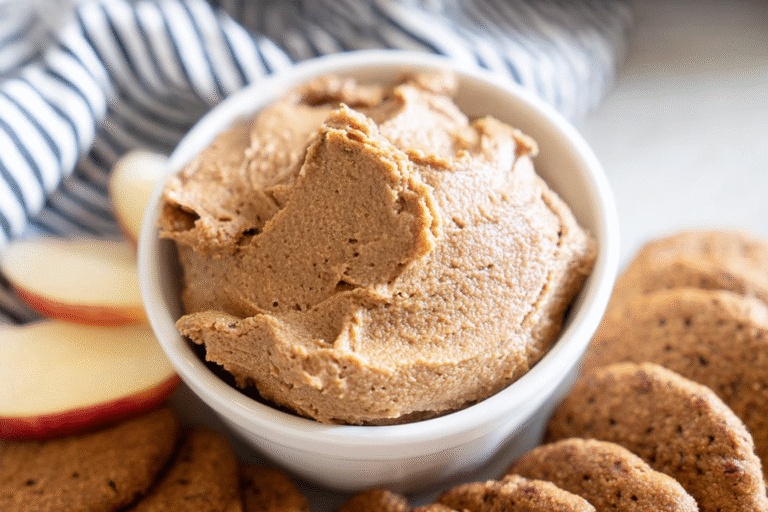
Cookie Butter
🍪🧈 Velvety smooth spread made from crushed cookies – spreads like Nutella but tastes like pure cookie dough heaven!
✨ Budget-friendly homemade version lasts weeks in fridge; endless uses from toast to fruit dip.
- Total Time: 15 minutes
- Yield: 1½ cups
Ingredients
– 16 oz Biscoff or speculoos cookies for rich, spiced base mimicking caramelized gingerbread flavor, crushed for smooth or chunky texture
– 1/4 cup melted coconut oil for creaminess and healthy fats, helping bind everything without dairy for a silky speculoos spread
– 2 tbsp brown sugar for depth with molasses notes, enhancing the natural sweetness of cookies for authentic biscoff spread taste
– 2-4 tbsp water or plant milk for adjusting consistency to peanut butter-like spreadability, preventing dryness while keeping it light
Instructions
1-First Step: Gather and Prepare Ingredients Start your mise en place by measuring out 16 oz Biscoff or speculoos cookies. Break them into smaller pieces for easier blending, especially if using a blender instead of a food processor for this DIY cookie butter from Biscoff cookies. Melt 1/4 cup coconut oil in the microwave for 20-30 seconds until liquid. Have 2 tbsp brown sugar and 2-4 tbsp water or plant milk ready nearby. This setup keeps the process smooth for busy parents or students.
2-Second Step: Crush the Cookies Add the cookie pieces to your food processor or high-speed blender. Pulse until they turn into fine crumbs, about 1-2 minutes. Scrape down the sides to ensure even grinding. For a cookie butter recipe without food processor, place cookies in a zip-top bag and crush with a rolling pin, then transfer to a bowl. This step releases the spices, filling your kitchen with that irresistible speculoos aroma.
3-Third Step: Incorporate Wet Ingredients Pour in the melted coconut oil and brown sugar over the crumbs. Start the processor and blend for 30 seconds. Gradually add 2 tbsp water or plant milk while running, increasing by 1 tbsp at a time until it forms a thick paste. Vegan adaptations shine here with plant milk. Blend another 1-2 minutes, pausing to scrape as needed. The mixture should pull away from the sides like dough.
4-Fourth Step: Achieve Desired Consistency Test the texture by scooping some out; it should spread easily like peanut butter. If too thick, add another tbsp liquid and blend 20 seconds more. For chunky homemade cookie butter, reserve 1/4 cup crumbs and pulse them in at the end. Taste and adjust sweetness if desired, but the cookies provide plenty. This customization suits diet-conscious tweaks effortlessly.
5-Fifth Step: Transfer and Cool Scoop the finished biscoff spread into a clean glass jar. Let it cool at room temperature for 30 minutes; it firms up slightly. Seal tightly. For gluten-free or low-calorie versions, note the oil choice impacts spreadability. Your cookie butter is now ready to enjoy on toast, in oatmeal, or as a fruit dip.
Last Step:
Please leave a rating and comment letting us know how you liked this recipe! This helps our business to thrive and continue providing free, high-quality recipes for you.Notes
🔥 Warm liquid helps crumbs absorb flavors deeply for authentic taste.
🛢️ Add oil slowly – too much makes it oily; start with 2 tbsp.
🥄 Speculoos give best flavor; graham crackers work in pinch with extra cinnamon.
- Prep Time: 10 minutes
- Cook Time: 5 minutes
- Category: Dessert
- Method: No-Bake
- Cuisine: Belgian
- Diet: Vegetarian
Nutrition
- Serving Size: 2 tablespoons
- Calories: 140 kcal
- Sugar: 10g
- Sodium: 85mg
- Fat: 9g
- Saturated Fat: 2.5g
- Unsaturated Fat: 6g
- Trans Fat: 0g
- Carbohydrates: 14g
- Fiber: 0.5g
- Protein: 1g
- Cholesterol: 10mg