Why You’ll Love This Chinese Mung Bean Soup
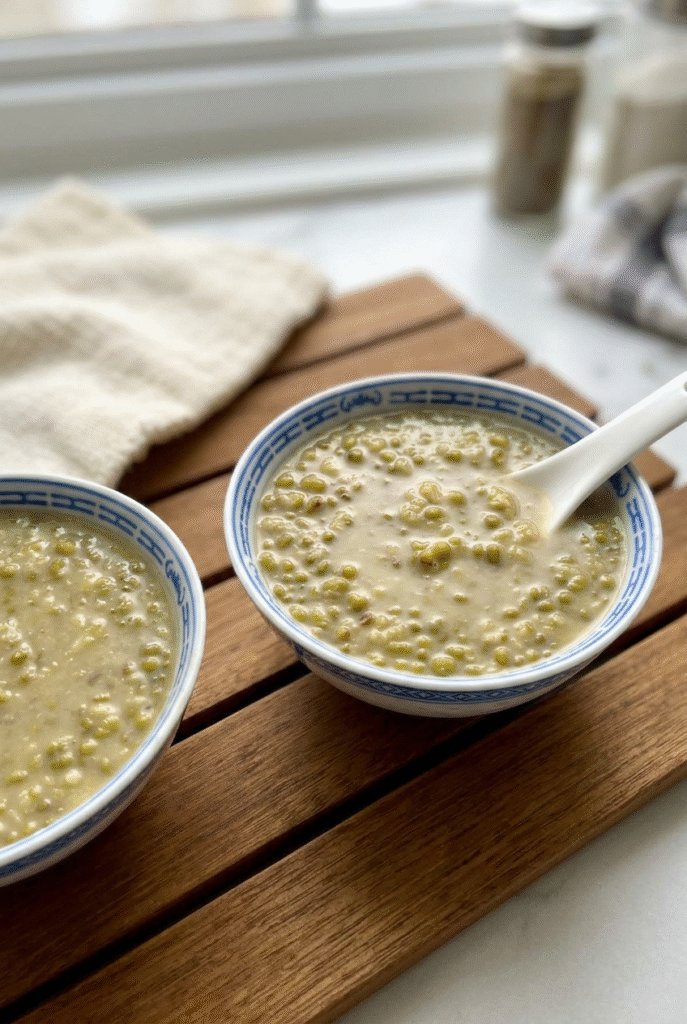
Have you ever craved a simple meal that feels comforting yet refreshing? Chinese Mung Bean Soup is one of those dishes that hits the spot, especially when you want something light and nourishing. This recipe uses everyday ingredients to create a bowl full of goodness, making it a favorite for busy days. Let’s dive into why this soup stands out as a go-to choice for home cooks like you.
- Ease of preparation: This soup is straightforward and quick once the beans are soaked, taking just about 10 minutes to prep and an hour to cook. With minimal steps and common pantry items, even beginners can whip it up without much fuss, saving time for family or relaxation. It’s ideal for busy parents and working professionals who need a hassle-free recipe that doesn’t require fancy tools.
- Health benefits: Packed with nutrients, this soup offers a boost of protein, fiber, and essential vitamins from the mung beans. Each serving delivers around 69 calories, 4 grams of protein, and 3 grams of fiber, helping with digestion and hydration. It’s perfect for diet-conscious individuals and those seeking low-calorie options to support wellness, especially in warmer months.
- Versatility: You can adapt this soup to fit various preferences, whether you serve it warm or chilled, sweeten it to taste, or add extras like tapioca for texture. It’s naturally vegan and gluten-free, making it accessible for different dietary needs among students, seniors, or food enthusiasts. Plus, it works as a light meal or a side for parties.
- Distinctive flavor: The natural sweetness of the mung beans shines through, creating a creamy, subtle taste that’s both comforting and unique. Ingredients like dried lily bulbs add a gentle floral note, while optional sweeteners let you customize it just right. This makes it a refreshing twist on traditional soups, appealing to travelers and newlyweds exploring new flavors.
This soup’s simplicity and adaptability make it a reliable recipe you’ll return to often. For more ideas on healthy meals, check out our nutritive drinks on our blog that pair perfectly with it. Whether you’re cooling down after a long day or sharing with friends, Chinese Mung Bean Soup brings a touch of tradition to your table in a fun, approachable way.
Jump to:
- Why You’ll Love This Chinese Mung Bean Soup
- Essential Ingredients for Chinese Mung Bean Soup
- Main Ingredients
- Special Dietary Options
- How to Prepare the Perfect Chinese Mung Bean Soup: Step-by-Step Guide
- First Step: Gather and Soak the Ingredients
- Second Step: Drain and Transfer to the Pot
- Third Step: Simmer the Soup
- Fourth Step: Add Sweetener and Final Touches
- Fifth Step: Serve and Enjoy
- Dietary Substitutions to Customize Your Chinese Mung Bean Soup
- Protein and Main Component Alternatives
- Vegetable, Sauce, and Seasoning Modifications
- Mastering Chinese Mung Bean Soup: Advanced Tips and Variations
- Pro Cooking Techniques
- Flavor Variations
- Presentation Tips
- Make-Ahead Options
- How to Store Chinese Mung Bean Soup: Best Practices
- FAQs: Frequently Asked Questions About Chinese Mung Bean Soup
- What is Chinese mung bean soup?
- Why eat mung bean soup in summer in China?
- How long to soak mung beans before making soup?
- How to cook Chinese mung bean soup on stovetop?
- Can you make mung bean soup in an Instant Pot?
- Chinese Mung Bean Soup
- Ingredients
- Instructions
- Last Step:
- Notes
- Nutrition
- Did you make this recipe?
Essential Ingredients for Chinese Mung Bean Soup
Gathering the right ingredients is key to making this soup just right. Each one plays a role in creating that creamy, nutritious bowl. Below, you’ll find a detailed list with exact measurements and why they matter, helping you shop and prepare with ease.
Main Ingredients
- 1 cup dried mung beans – These are the star of the soup, providing protein and a creamy texture when cooked; they’re easy to find and full of health benefits like fiber for better digestion.
- 1/3 cup dried lily bulb pieces – These add a subtle sweetness and floral flavor, plus they’re thought to have calming effects in traditional practices, making the soup more balanced and soothing.
- 2 tablespoons sweet glutinous rice – This helps thicken the soup naturally and gives it a chewy element, enhancing the overall mouthfeel without overwhelming the other flavors.
- 8 cups water – The base of the soup, it allows the ingredients to simmer and release their goodness, ensuring a smooth consistency that’s hydrating and light.
- ½ cup sago or mini tapioca pearls (optional) – If you want extra texture, these small pearls make the soup fun and slightly thicker, similar to what you might find in desserts.
- Sugar, honey, or sweetener of choice to taste (optional) – This lets you adjust the sweetness, keeping things flexible for different tastes and dietary goals.
Special Dietary Options
- Vegan: This recipe is already fully plant-based, using no animal products, so it’s perfect as is for vegans looking for a refreshing option.
- Gluten-free: All ingredients are naturally gluten-free, making it safe for those with sensitivities; just double-check your sweetener if it’s processed.
- Low-calorie: Stick to minimal sweetener and skip the sago to keep it under 70 calories per serving, ideal for weight watchers who want a filling yet light meal.
With these ingredients, you can customize the soup to fit your needs while keeping it nutritious and delicious.
How to Prepare the Perfect Chinese Mung Bean Soup: Step-by-Step Guide
Ready to make this comforting soup at home? It’s easier than you think, with steps designed for anyone, even if you’re new to cooking. We’ll walk through everything from start to finish, including times and tips to help you succeed. This traditional recipe takes some soaking time but rewards you with a hearty, homemade treat.
First Step: Gather and Soak the Ingredients
Start by rinsing the mung beans, dried lily bulb pieces, and sweet glutinous rice under cold water to remove any dirt. Place them in a large bowl, cover with a few inches of water, and let them soak for at least 8 hours or overnight this softens them and cuts down on cooking time later. Preparation time is about 10 minutes here, not counting the soak, so it’s a good idea to plan ahead for busy schedules.
Second Step: Drain and Transfer to the Pot
Once soaked, drain the ingredients and move them to a large pot with 8 cups of fresh water. This step ensures you start with clean, fresh flavors. Bring the pot to a boil over high heat, which should take about 10 minutes, then reduce to a simmer.
Third Step: Simmer the Soup
Cover the pot and let it simmer for about 1 hour, stirring occasionally to prevent sticking. Fresher mung beans might cook faster, so check after 45 minutes to see if they’re soft and starting to break down they should be creamy and mushy. If you’re adding sago or mini tapioca pearls, put them in after 40 minutes of simmering for an extra 20 minutes until they turn translucent.
Fourth Step: Add Sweetener and Final Touches
Once the beans are soft, stir in your sweetener like sugar, honey, or another choice to taste this keeps the flavor just right without overpowering it. Taste as you go to adjust, as some prefer it mild. The total cooking time is around 1 hour, making the whole process about 1 hour and 10 minutes plus soaking.
Fifth Step: Serve and Enjoy
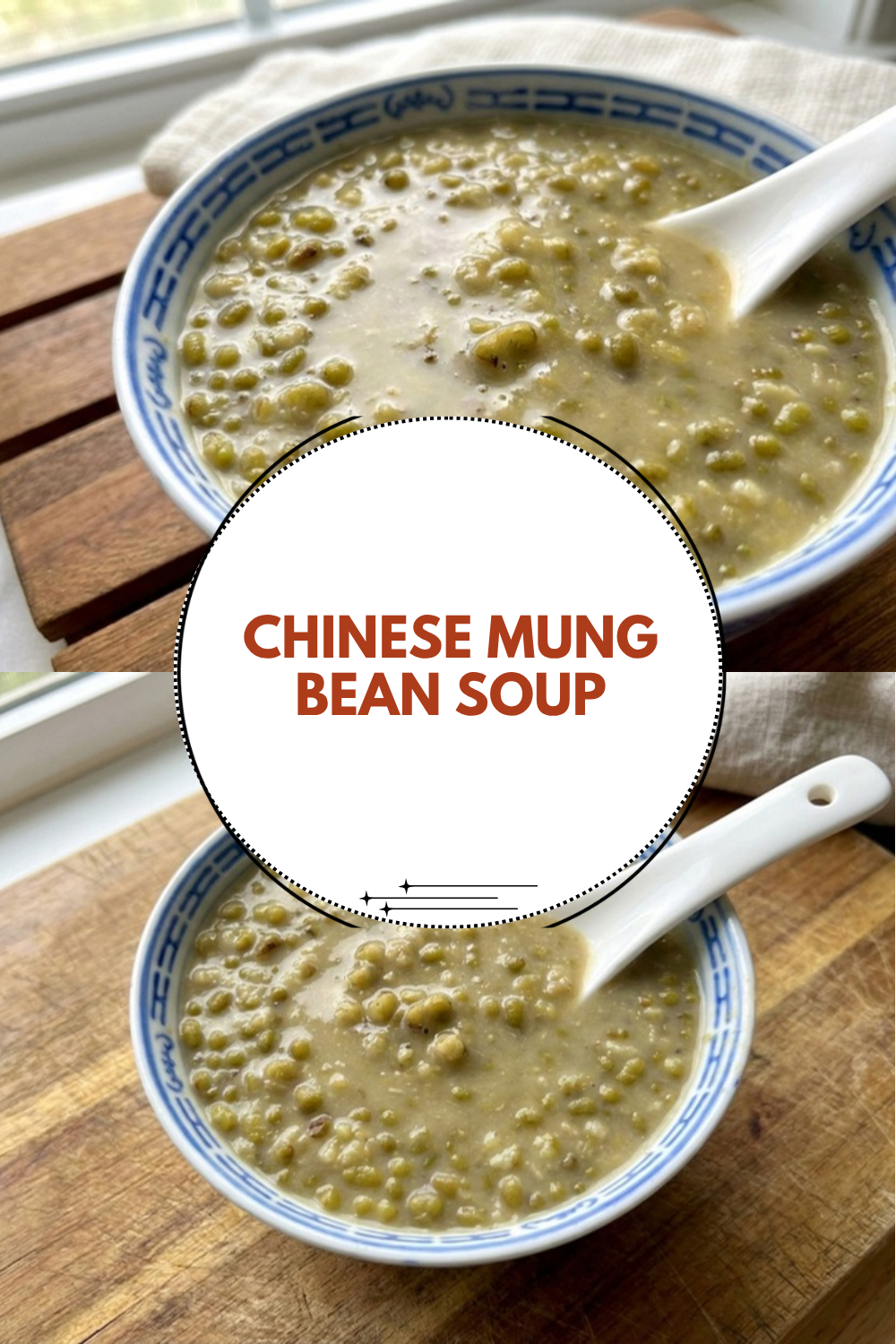
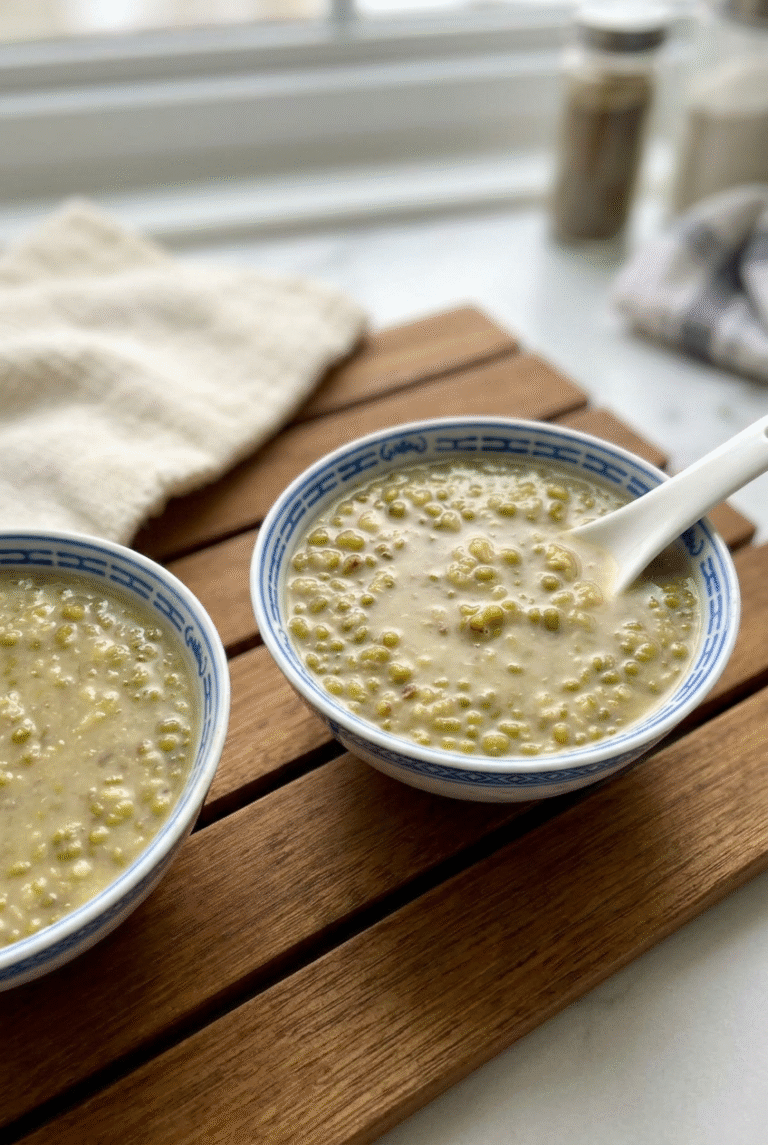
Remove the pot from heat and let it cool slightly before serving. You can enjoy this soup warm, at room temperature, or chilled, depending on the weather or your mood. For the best experience, serve in bowls with a spoon, and it makes about 6 servings based on the ingredients. Remember, as noted in the nutritional info, each serving has 69 calories and 4 grams of protein, so it’s a great option for a balanced meal. For more recipe ideas, explore our asian recipes collection on the site.
| Nutrient | Amount per Serving |
|---|---|
| Calories | 69 kcal |
| Carbohydrates | 13 g |
| Protein | 4 g |
| Fat | 0.2 g |
| Fiber | 3 g |
This table highlights the key nutritional facts, showing how this soup fits into a healthy diet.

Dietary Substitutions to Customize Your Chinese Mung Bean Soup
Protein and Main Component Alternatives
If mung beans aren’t on hand, try substituting with split peas or lentils for a similar creamy texture and protein punch. For example, use 1 cup of split peas if you’re aiming for a heartier version that’s still vegan-friendly. These swaps work well for those with allergies or limited access to ingredients, keeping the soup nutritious and easy to digest.
Vegetable, Sauce, and Seasoning Modifications
Swap dried lily bulbs for fresh ones if available, or add spinach for extra greens in cooler seasons. For seasonings, use a dash of ginger instead of sweetener for a spicier twist, or opt for maple syrup if you’re watching sugar intake. These changes make the soup adaptable for different tastes and dietary restrictions, like low-sodium options by skipping added salt.
Mastering Chinese Mung Bean Soup: Advanced Tips and Variations
Pro Cooking Techniques
To get the best results, stir the soup gently to avoid breaking down the beans too early, and use a heavy pot for even heat distribution. Fresher beans cook quicker, so adjust time as needed turn off heat at 50 minutes if making ahead to prevent overcooking.
Flavor Variations
Experiment with adding cinnamon for a warmer taste or using coconut milk for creaminess; these tweaks can make the soup feel new each time.
Presentation Tips
Garnish with fresh mint or a sprinkle of sesame seeds to make it visually appealing for gatherings.
Make-Ahead Options
Prep ingredients the night before and store soaked beans in the fridge for up to 2 days, perfect for busy lifestyles.
I always find that small changes, like adding tapioca, make this soup even more fun it’s like a little surprise in every bite.
How to Store Chinese Mung Bean Soup: Best Practices
Proper storage keeps this soup fresh and tasty for later. Let’s cover the basics to help you enjoy it over days or weeks.
- Refrigeration: Cool the soup completely before putting it in an airtight container; it lasts up to 4 days in the fridge, making it great for meal prep.
- Freezing: Freeze in portions for up to 1 month; use freezer-safe bags to save space and maintain quality for busy weeks.
- Reheating: Warm gently on the stove or in the microwave, adding a splash of water if it’s too thick, to keep flavors intact and ensure it’s safe.
- Meal Prep Considerations: Batch cook on weekends and divide into servings for easy grab-and-go options that stay fresh.
For more on healthy eating, check out this resource on mung bean benefits.
FAQs: Frequently Asked Questions About Chinese Mung Bean Soup
What is Chinese mung bean soup?
Why eat mung bean soup in summer in China?
How long to soak mung beans before making soup?
How to cook Chinese mung bean soup on stovetop?
Can you make mung bean soup in an Instant Pot?
Chinese Mung Bean Soup
🫘 Nourish your body with this light mung bean soup, rich in fiber and protein from whole mung beans to aid digestion and provide sustained energy without heaviness.
🍲 Embrace this traditional Chinese treat for its cooling properties in summer, offering a naturally sweet, versatile dessert that’s simple to prepare and naturally gluten-free for all to enjoy.
- Total Time: 1 hour 10 minutes
- Yield: 6 servings
Ingredients
– 1 cup dried mung beans
– 1/3 cup dried lily bulb pieces
– 2 tablespoons sweet glutinous rice
– 8 cups water
– ½ cup sago or mini tapioca pearls (optional)
– Sugar, honey, or sweetener of choice to taste (optional)
Instructions
1-First Step: Gather and Soak the Ingredients Start by rinsing the mung beans, dried lily bulb pieces, and sweet glutinous rice under cold water to remove any dirt. Place them in a large bowl, cover with a few inches of water, and let them soak for at least 8 hours or overnight this softens them and cuts down on cooking time later. Preparation time is about 10 minutes here, not counting the soak, so it’s a good idea to plan ahead for busy schedules.
2-Second Step: Drain and Transfer to the Pot Once soaked, drain the ingredients and move them to a large pot with 8 cups of fresh water. This step ensures you start with clean, fresh flavors. Bring the pot to a boil over high heat, which should take about 10 minutes, then reduce to a simmer.
3-Third Step: Simmer the Soup Cover the pot and let it simmer for about 1 hour, stirring occasionally to prevent sticking. Fresher mung beans might cook faster, so check after 45 minutes to see if they’re soft and starting to break down they should be creamy and mushy. If you’re adding sago or mini tapioca pearls, put them in after 40 minutes of simmering for an extra 20 minutes until they turn translucent.
4-Fourth Step: Add Sweetener and Final Touches Once the beans are soft, stir in your sweetener like sugar, honey, or another choice to taste this keeps the flavor just right without overpowering it. Taste as you go to adjust, as some prefer it mild. The total cooking time is around 1 hour, making the whole process about 1 hour and 10 minutes plus soaking.
5-Fifth Step: Serve and Enjoy Remove the pot from heat and let it cool slightly before serving. You can enjoy this soup warm, at room temperature, or chilled, depending on the weather or your mood. For the best experience, serve in bowls with a spoon, and it makes about 6 servings based on the ingredients. Remember, as noted in the nutritional info, each serving has 69 calories and 4 grams of protein, so it’s a great option for a balanced meal. For more recipe ideas, explore our asian recipes collection on the site.
Last Step:
Please leave a rating and comment letting us know how you liked this recipe! This helps our business to thrive and continue providing free, high-quality recipes for you.Notes
🫘 Opt for fresher mung beans as they cook more quickly and yield a smoother texture; always monitor and adjust simmering time to avoid overcooking.
🍡 Introduce sago or tapioca pearls midway through cooking to ensure they soften without becoming mushy, adding delightful chewiness.
❄️ For a refreshing chilled version on hot days, cool the soup completely and consume slowly to gently soothe the stomach without discomfort.
- Prep Time: 10 minutes
- Soaking Time: 8 hours
- Cook Time: 1 hour
- Category: Dessert
- Method: Simmering
- Cuisine: Chinese
- Diet: Vegan
Nutrition
- Serving Size: 1 bowl
- Calories: 69 kcal
- Sugar: 1 g
- Sodium: 11 mg
- Fat: 0.2 g
- Saturated Fat: 0.1 g
- Unsaturated Fat: 0.1 g
- Trans Fat: 0 g
- Carbohydrates: 13 g
- Fiber: 3 g
- Protein: 4 g
- Cholesterol: 0 mg