Why You’ll Love This Alfredo Baked Spaghetti
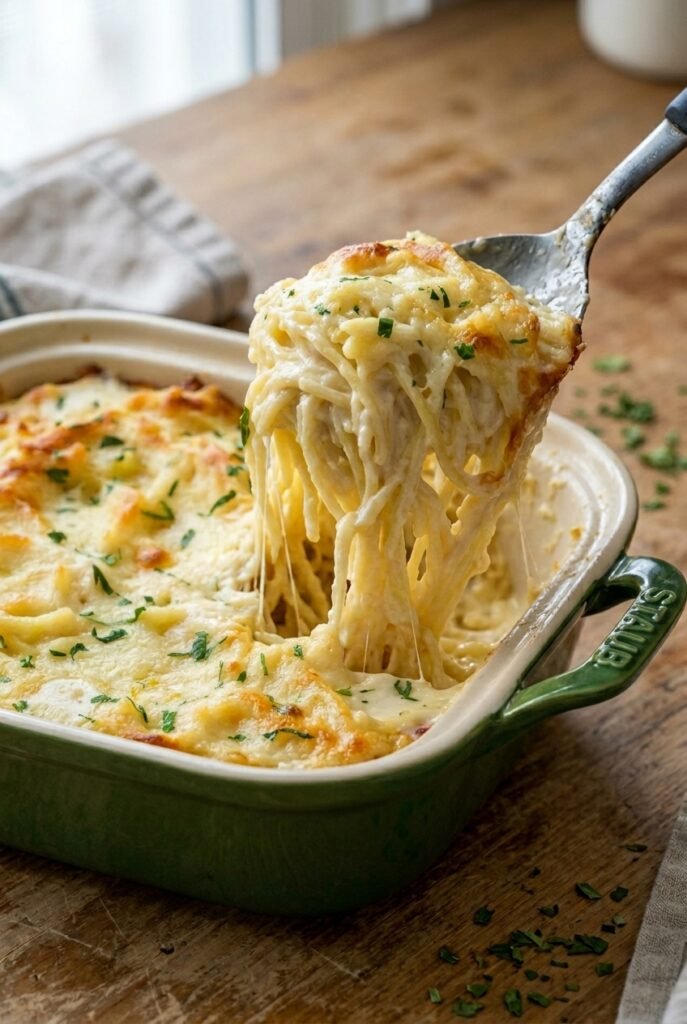
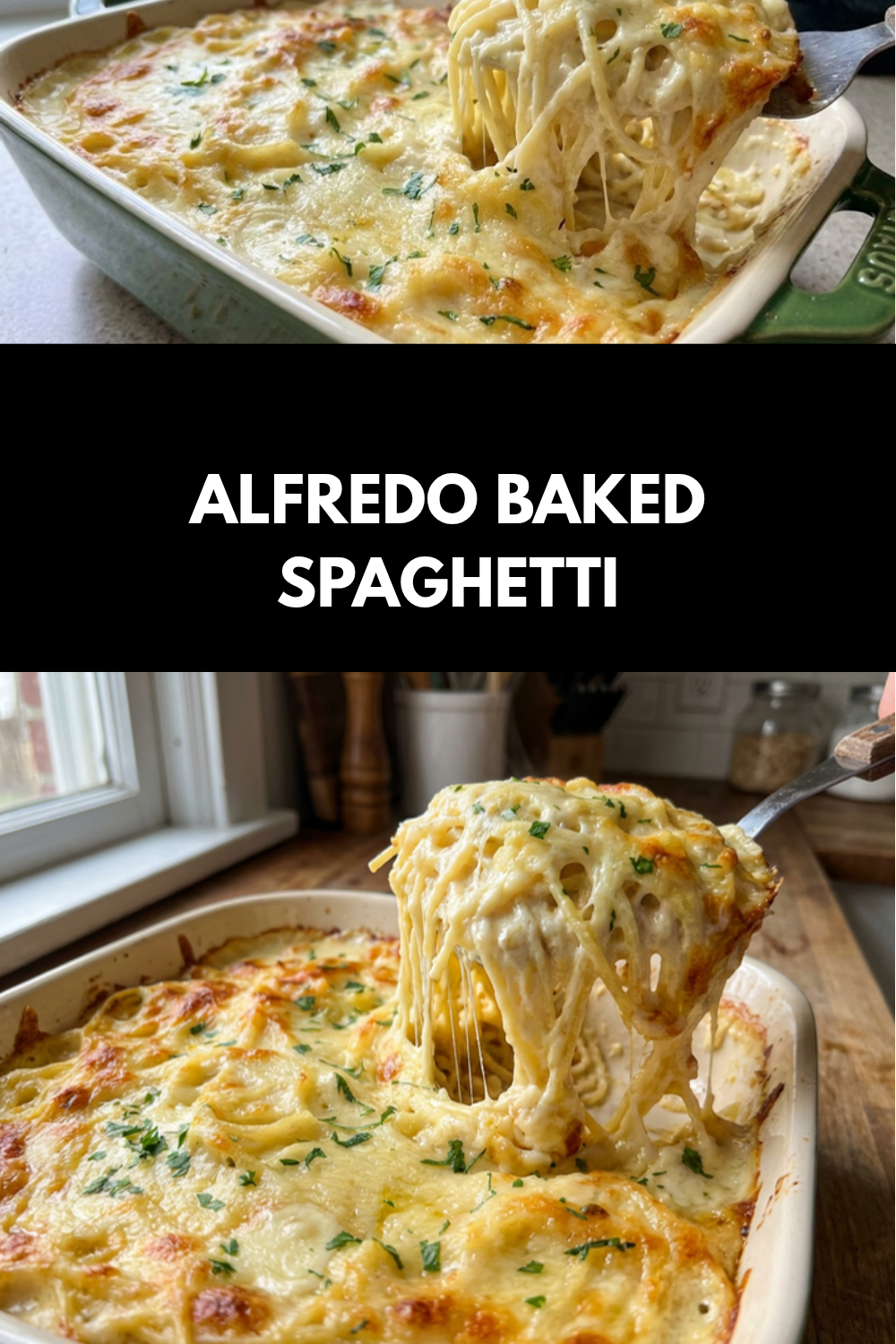
Alfredo Baked Spaghetti is the kind of cozy dinner that feels like a big hug after a long day. It brings together tender pasta, a creamy Alfredo sauce, and a golden cheesy top in one easy bake. If you need a family-friendly meal that tastes rich but still comes together without a lot of fuss, this Alfredo baked spaghetti recipe is a great pick. You can also serve it with a simple salad or roasted vegetables for a balanced plate. For readers who like to keep an eye on nutrition, you may also find this helpful read on whether pasta can fit into a healthy eating plan.
- Easy to make: This Alfredo Baked Spaghetti uses basic pantry ingredients and simple stovetop steps before baking, so it works well for busy weeknights.
- Comforting and filling: The creamy sauce, spaghetti, mozzarella, and Parmesan make this a satisfying meal that keeps everyone at the table happy.
- Flexible for different eaters: You can adjust the milk, cheese, or pasta type to fit different preferences, including lighter or gluten-free versions.
- Rich, standout flavor: The mix of butter, garlic powder, Parmesan, and mozzarella gives this baked pasta a deep, savory taste that feels special without being complicated.
This is the kind of dish that looks like you spent all afternoon cooking, but it can fit into a real-life schedule.
For home cooks, students, working professionals, and busy parents, that mix of comfort and convenience matters. Alfredo Baked Spaghetti also reheats well, which makes it a smart choice for meal prep or next-day lunches.
Jump to:
- Why You’ll Love This Alfredo Baked Spaghetti
- Essential Ingredients for Alfredo Baked Spaghetti
- Special Dietary Options
- How to Prepare the Perfect Alfredo Baked Spaghetti: Step-by-Step Guide
- First Step: Get the oven and pasta ready
- Second Step: Cook the spaghetti until just firm
- Third Step: Build the Alfredo sauce
- Fourth Step: Mix the pasta and sauce
- Fifth Step: Assemble the bake
- Sixth Step: Bake until bubbly and golden
- Final Step: Rest, garnish, and serve
- Dietary Substitutions to Customize Your Alfredo Baked Spaghetti
- Protein and Main Component Alternatives
- Vegetable, Sauce, and Seasoning Modifications
- Mastering Alfredo Baked Spaghetti: Advanced Tips and Variations
- Pro cooking techniques
- Flavor variations
- Presentation tips
- Make-ahead options
- How to Store Alfredo Baked Spaghetti: Best Practices
- Refrigeration
- Freezing
- Reheating
- Meal prep considerations
- FAQs: Frequently Asked Questions About Alfredo Baked Spaghetti
- Alfredo Baked Spaghetti
- Ingredients
- Instructions
- Last Step:
- Notes
- Nutrition
- Did you make this recipe?
Essential Ingredients for Alfredo Baked Spaghetti
Here is everything you need for this creamy baked pasta. Each ingredient plays a role in building the sauce, adding body, or creating that bubbly baked finish.
- 1 pound dried spaghetti noodles – This is the base of the dish and gives you a sturdy pasta that holds the creamy sauce well.
- 3 tablespoons unsalted butter – Butter starts the sauce with a rich flavor and helps cook the flour into a smooth base.
- 3 tablespoons all-purpose flour – Flour thickens the sauce so it bakes up creamy instead of watery.
- 3 cups whole or 2 percent milk – Milk creates the main body of the Alfredo sauce. Whole milk gives a richer taste, while 2 percent is a little lighter.
- 1 cup heavy cream – Heavy cream makes the sauce extra silky and gives Alfredo Baked Spaghetti its signature richness.
- 6 ounces low-moisture mozzarella cheese, about 1 1/2 cups shredded and divided – Mozzarella melts beautifully and gives you that gooey, cheesy pull in every serving.
- 4 ounces finely grated Parmesan cheese, about 1 1/2 cups divided – Parmesan adds sharp, salty flavor and helps the sauce taste more like classic Alfredo.
- 1/2 teaspoon garlic powder – Garlic powder adds gentle savory flavor without overpowering the creamy sauce.
- 1 teaspoon kosher salt, plus more for the pasta water – Salt seasons the sauce and pasta from the inside out.
- Finely chopped parsley leaves for serving, optional – Parsley adds color and a fresh finish on top of the finished bake.
Special Dietary Options
- Vegan: Swap the butter for plant-based butter, use unsweetened oat milk or soy milk, replace heavy cream with a dairy-free cooking cream, and use vegan mozzarella and Parmesan-style shreds.
- Gluten-free: Use gluten-free spaghetti and replace the all-purpose flour with a gluten-free flour blend that thickens well.
- Low-calorie: Use 2 percent milk, cut back slightly on cheese, and add steamed cauliflower or spinach to make the dish lighter while keeping it creamy.
How to Prepare the Perfect Alfredo Baked Spaghetti: Step-by-Step Guide
First Step: Get the oven and pasta ready
Start by heating your oven to 375 degrees Fahrenheit. Bring a large pot of water to a boil and salt it well. Cooking the pasta in salted water matters because it seasons the noodles from the inside, which helps the final Alfredo Baked Spaghetti taste balanced instead of flat. While the water heats, lightly grease a baking dish so it is ready when the pasta and sauce come together.
Second Step: Cook the spaghetti until just firm
Add the 1 pound of dried spaghetti noodles to the boiling water and cook them until they are just shy of al dente. This usually means taking them off the heat 1 to 2 minutes before the package says they are done. Since the pasta will bake later, keeping it slightly firm helps it stay tender instead of mushy. Drain the spaghetti well and set it aside while you make the sauce.
Third Step: Build the Alfredo sauce
In a large saucepan over medium heat, melt the 3 tablespoons of unsalted butter. Whisk in the 3 tablespoons of all-purpose flour and cook for about 1 minute to make a smooth roux. This step helps the sauce thicken without tasting floury. Slowly pour in the 3 cups of whole or 2 percent milk, whisking constantly so the mixture stays smooth. Then add the 1 cup of heavy cream, 1/2 teaspoon of garlic powder, and 1 teaspoon of kosher salt.
Keep stirring until the sauce thickens enough to coat the back of a spoon, which usually takes about 4 to 6 minutes. Lower the heat and stir in about two thirds of the mozzarella and Parmesan, saving the rest for the top. The cheeses should melt fully into the sauce, turning it glossy and creamy. If you like a slightly stronger cheese flavor, add a little extra Parmesan at this stage.
Fourth Step: Mix the pasta and sauce
Add the drained spaghetti to the sauce and toss it until every strand is coated. Use tongs or a wide spoon so the pasta does not clump together. If the sauce seems too thick, add a splash of reserved pasta water or a little more milk. This is a handy trick for Alfredo Baked Spaghetti because the sauce should look creamy and loose before baking, not dry.
The pasta should be coated, not drowned. A creamy cling is what you want before it goes into the oven.
Fifth Step: Assemble the bake
Transfer the sauced spaghetti into the prepared baking dish and spread it out evenly. Sprinkle the remaining mozzarella and Parmesan over the top. The cheese layer is what gives you that golden, bubbly finish once the casserole bakes. If you want to add extra flavor, you can dust the top with a little more garlic powder or a pinch of black pepper.
Sixth Step: Bake until bubbly and golden
Place the dish in the oven and bake for about 20 to 25 minutes. You are looking for bubbling edges and melted cheese on top. If you want a more golden finish, you can broil it for 1 to 2 minutes at the end, but keep a close eye on it so the cheese does not burn. This step gives Alfredo Baked Spaghetti that classic casserole look that is so inviting at the table.
Final Step: Rest, garnish, and serve
Let the baked spaghetti rest for about 5 to 10 minutes after taking it out of the oven. This helps the sauce settle and makes serving easier. Top with finely chopped parsley leaves if you like a fresh pop of color. Then spoon it into bowls or onto plates and serve warm. It pairs well with garlic bread, a crisp green salad, or roasted vegetables if you want to round out the meal.

Dietary Substitutions to Customize Your Alfredo Baked Spaghetti
Protein and Main Component Alternatives
While this Alfredo Baked Spaghetti recipe does not call for meat, you can still change the main structure to suit your needs. Add cooked chicken, shrimp, turkey, or Italian sausage if you want more protein. For a vegetarian meal with extra staying power, stir in white beans or chickpeas. If you want to keep the dish fully meatless but heartier, mushrooms work well because they add a savory bite.
For a gluten-free version, use your favorite gluten-free spaghetti. Many brands hold up well in baked dishes, especially if you cook them just until barely tender. If you are cooking for someone with a dairy sensitivity, choose dairy-free cheese shreds and a plant-based cream substitute, then season carefully so the sauce still tastes rich.
Vegetable, Sauce, and Seasoning Modifications
You can also add vegetables to make the dish more colorful and filling. Spinach, broccoli, peas, zucchini, or mushrooms all work well with the creamy sauce. Lightly cook watery vegetables first so the bake does not turn soupy. If you want more flavor, a small pinch of nutmeg, black pepper, or Italian seasoning can fit nicely into the sauce.
For a lighter Alfredo style, replace the heavy cream with more milk and use a little less cheese. The sauce will still taste creamy, just a bit less rich. You can also use this guide to cheese benefits and nutrition if you want a better sense of how cheese fits into your meal choices. Small changes can make this baked pasta work for different goals without losing its cozy feel.
Mastering Alfredo Baked Spaghetti: Advanced Tips and Variations
Pro cooking techniques
A good Alfredo Baked Spaghetti starts with a smooth sauce. Whisk the flour and butter together long enough to get rid of any raw flour taste before adding milk. Warm milk also helps the sauce come together more smoothly, so if your kitchen is chilly, let the milk sit out for a bit before cooking. Another smart move is to shred your own cheese when you can, since pre-shredded cheese sometimes melts less evenly because of added coatings.
Do not overcook the pasta before baking. The noodles keep cooking in the oven, and that extra time is what helps the casserole finish with the right texture. If you like a thicker slice when serving, let the baked dish rest a little longer before cutting into it. That small pause makes the casserole easier to portion.
Flavor variations
You can make this recipe your own with a few simple changes. Add red pepper flakes for gentle heat, roasted garlic for deeper flavor, or fresh basil for a brighter finish. If you want a more luxurious version, stir a little cream cheese into the sauce for extra body. For a smoky edge, add cooked bacon or pancetta on top before baking.
Another fun variation is to mix in vegetables such as broccoli florets or sautéed spinach. That is a smart way to turn Alfredo Baked Spaghetti into a more rounded meal without much extra work. It is also a good way to use up produce that needs to be cooked soon.
Presentation tips
To make the dish look as good as it tastes, finish it with a light sprinkle of Parmesan and parsley after baking. A few twists of black pepper also look nice on top. Serve it in wide bowls or on shallow plates so the creamy sauce and melted cheese are easy to see. If you are making dinner for guests, pair it with a simple salad and warm bread for a cozy spread.
Make-ahead options
You can cook the pasta and make the sauce ahead of time, then combine and bake the dish later in the day. If you want to prep it the night before, assemble everything in the baking dish, cover it, and refrigerate it. When you are ready to bake, let it sit on the counter for about 20 minutes so the dish is not ice-cold going into the oven. This can be very helpful for busy parents, party hosts, and anyone planning a weeknight dinner.
How to Store Alfredo Baked Spaghetti: Best Practices
Alfredo Baked Spaghetti stores well, which makes it a practical choice for leftovers and meal prep. Let the casserole cool before storing it so excess steam does not make the pasta soggy. Then pack it in airtight containers or cover the baking dish tightly.
Refrigeration
Store leftovers in the refrigerator for up to 3 to 4 days. Keep portions in smaller containers if you want quick grab-and-go lunches. This is especially handy for students and working professionals who need something filling and easy to reheat.
Freezing
If you want to freeze it, let the dish cool fully first. Wrap it well or place individual portions in freezer-safe containers. Alfredo-style sauces can change texture a little after freezing, but the dish still works well if you reheat it gently. Try to use frozen portions within 2 months for the best quality.
Reheating
Reheat leftovers in the microwave with a splash of milk to loosen the sauce, or warm them in the oven at 325 degrees Fahrenheit until heated through. Covering the dish helps keep the top from drying out. Stir gently if you are reheating a single serving so the sauce returns to a creamy texture.
Meal prep considerations
If you are cooking for the week, portion the baked spaghetti into lunch containers right after it cools. Add a small side salad or steamed vegetables so lunch feels complete. The dish keeps its comfort-food appeal even after a day or two in the fridge, which makes it a reliable batch-cooking option.
FAQs: Frequently Asked Questions About Alfredo Baked Spaghetti
Print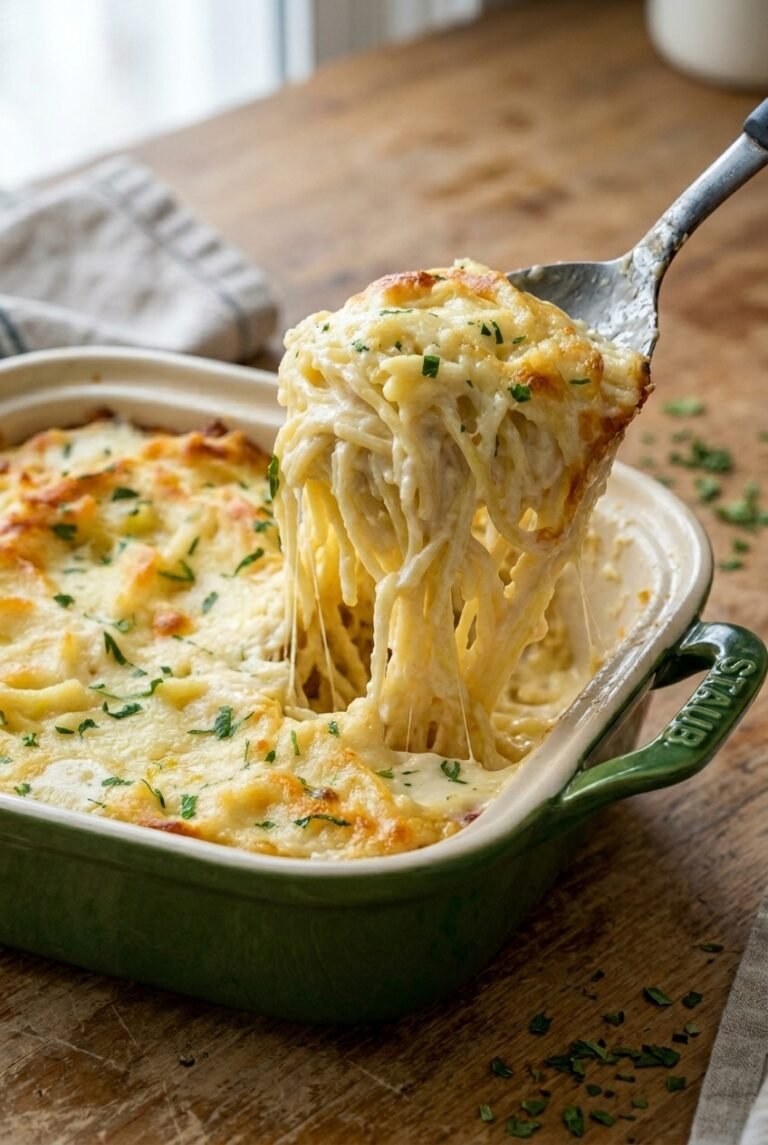
Alfredo Baked Spaghetti
🍝 Velvety homemade Alfredo sauce coats tender spaghetti in cheesy paradise – elevated comfort food minus the jar!
🧀 Bubbly golden bake serves 8 in 50 minutes, vegetarian delight with garlic-infused richness everyone craves!
- Total Time: 50 minutes
- Yield: 8 servings
Ingredients
– 1 pound dried spaghetti noodles
– 3 tablespoons unsalted butter
– 3 tablespoons all-purpose flour
– 3 cups whole or 2 percent milk
– 1 cup heavy cream
– 6 ounces low-moisture mozzarella cheese, about 1 1/2 cups shredded and divided
– 4 ounces finely grated Parmesan cheese, about 1 1/2 cups divided
– 1/2 teaspoon garlic powder
– 1 teaspoon kosher salt, plus more for the pasta water
– Finely chopped parsley leaves for serving, optional
Instructions
1-First Step: Get the oven and pasta ready Start by heating your oven to 375 degrees Fahrenheit. Bring a large pot of water to a boil and salt it well. Cooking the pasta in salted water matters because it seasons the noodles from the inside, which helps the final Alfredo Baked Spaghetti taste balanced instead of flat. While the water heats, lightly grease a baking dish so it is ready when the pasta and sauce come together.
2-Second Step: Cook the spaghetti until just firm Add the 1 pound of dried spaghetti noodles to the boiling water and cook them until they are just shy of al dente. This usually means taking them off the heat 1 to 2 minutes before the package says they are done. Since the pasta will bake later, keeping it slightly firm helps it stay tender instead of mushy. Drain the spaghetti well and set it aside while you make the sauce.
3-Third Step: Build the Alfredo sauce In a large saucepan over medium heat, melt the 3 tablespoons of unsalted butter. Whisk in the 3 tablespoons of all-purpose flour and cook for about 1 minute to make a smooth roux. This step helps the sauce thicken without tasting floury. Slowly pour in the 3 cups of whole or 2 percent milk, whisking constantly so the mixture stays smooth. Then add the 1 cup of heavy cream, 1/2 teaspoon of garlic powder, and 1 teaspoon of kosher salt. Keep stirring until the sauce thickens enough to coat the back of a spoon, which usually takes about 4 to 6 minutes. Lower the heat and stir in about two thirds of the mozzarella and Parmesan, saving the rest for the top. The cheeses should melt fully into the sauce, turning it glossy and creamy. If you like a slightly stronger cheese flavor, add a little extra Parmesan at this stage.
4-Fourth Step: Mix the pasta and sauce Add the drained spaghetti to the sauce and toss it until every strand is coated. Use tongs or a wide spoon so the pasta does not clump together. If the sauce seems too thick, add a splash of reserved pasta water or a little more milk. This is a handy trick for Alfredo Baked Spaghetti because the sauce should look creamy and loose before baking, not dry. The pasta should be coated, not drowned. A creamy cling is what you want before it goes into the oven.
5-Fifth Step: Assemble the bake Transfer the sauced spaghetti into the prepared baking dish and spread it out evenly. Sprinkle the remaining mozzarella and Parmesan over the top. The cheese layer is what gives you that golden, bubbly finish once the casserole bakes. If you want to add extra flavor, you can dust the top with a little more garlic powder or a pinch of black pepper.
6-Sixth Step: Bake until bubbly and golden Place the dish in the oven and bake for about 20 to 25 minutes. You are looking for bubbling edges and melted cheese on top. If you want a more golden finish, you can broil it for 1 to 2 minutes at the end, but keep a close eye on it so the cheese does not burn. This step gives Alfredo Baked Spaghetti that classic casserole look that is so inviting at the table.
7-Final Step: Rest, garnish, and serve Let the baked spaghetti rest for about 5 to 10 minutes after taking it out of the oven. This helps the sauce settle and makes serving easier. Top with finely chopped parsley leaves if you like a fresh pop of color. Then spoon it into bowls or onto plates and serve warm. It pairs well with garlic bread, a crisp green salad, or roasted vegetables if you want to round out the meal.
Last Step:
Please leave a rating and comment letting us know how you liked this recipe! This helps our business to thrive and continue providing free, high-quality recipes for you.Notes
🍝 Cook pasta al dente; it continues cooking in oven to stay firm.
🧀 Grate cheese fresh for smooth melting without clumps.
⏲️ Broil 1-2 minutes at end for extra bubbly cheese crust.
- Prep Time: 20 minutes
- Cook Time: 30 minutes
- Category: Main Dish
- Method: Oven
- Cuisine: Italian-American
- Diet: Vegetarian
Nutrition
- Serving Size: 1 serving
- Calories: 650 kcal
- Sugar: 4g
- Sodium: 900mg
- Fat: 35g
- Saturated Fat: 20g
- Unsaturated Fat: 15g
- Trans Fat: 0g
- Carbohydrates: 60g
- Fiber: 3g
- Protein: 25g
- Cholesterol: 110mg