

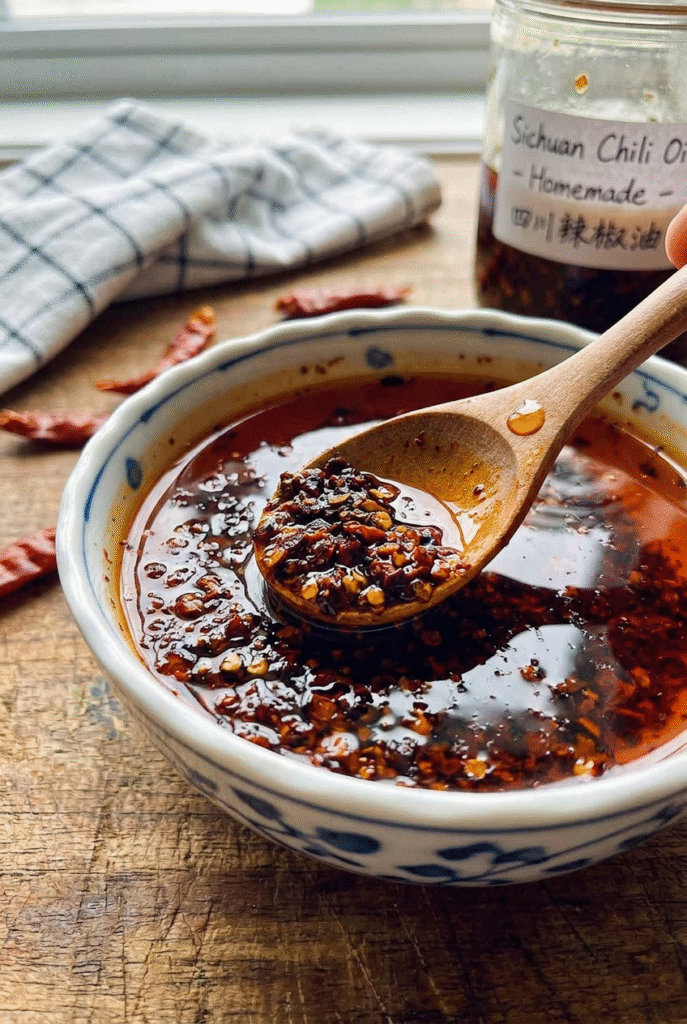
Why You’ll Love This Sichuan Chili Oil
Sichuan chili oil brings a bold kick to your kitchen adventures, making it a must-try for anyone exploring fresh flavors. This recipe stands out with its simple steps that deliver authentic taste without needing fancy tools, perfect for home cooks looking to spice up meals easily. Let’s dive into what makes this Sichuan chili oil a go-to choice for adding that extra zing.
- Ease of preparation: Whipping up Sichuan chili oil is straightforward and fast, taking just about 30 minutes from start to finish once you have the ingredients ready. The process involves heating oil and infusing it with spices, which means even beginners can handle it without stress. This simplicity lets you focus on enjoying the results rather than worrying about complex techniques, making Sichuan chili oil a smart pick for busy days.
- Health benefits: Sichuan chili oil isn’t just spicy; it’s packed with perks like antioxidants from chili flakes that support overall wellness. Using ingredients such as Sichuan peppercorns can aid digestion and offer a natural boost to your immune system. For those watching their diet, this oil adds flavor without overloading on calories, as seen in studies on health benefits of chili peppers linking to how it enhances meals while promoting better eating habits.
- Versatility: This Sichuan chili oil adapts to various meals, from drizzling on noodles to spicing up stir-fries, fitting diets like vegan or gluten-free with ease. You can tweak it for different tastes, making it ideal for families with mixed preferences or travelers experimenting with global cuisines. Its flexible nature means you can use Sichuan chili oil in everyday cooking or special occasions without much hassle.
- Distinctive flavor: What sets Sichuan chili oil apart is its unique numbing and spicy blend from authentic ingredients, creating a mouth-tingling experience that’s hard to forget. The combination of chili flakes and peppercorns delivers a depth that elevates simple dishes to something special. This standout taste makes Sichuan chili oil a favorite for food enthusiasts seeking excitement in their recipes.
Ease of Preparation
The steps for making Sichuan chili oil are simple and quick, requiring only basic kitchen tools like a saucepan and a strainer. You’ll appreciate how the oil heats up in under 15 minutes, letting you prepare it alongside other meal components for a seamless cooking flow. This ease turns Sichuan chili oil into a reliable option for anyone short on time.
Health Benefits
Beyond its flavor, Sichuan chili oil offers wellness perks, including anti-inflammatory properties from the chili flakes that can help with circulation. Ingredients like garlic and peppercorns add nutritional value, supporting heart health as noted in resources on nutrition of Sichuan peppercorns. Incorporating this oil moderately into your diet can make meals healthier and more enjoyable.
Versatility
Sichuan chili oil works wonders across diets, easily fitting into vegan, gluten-free, or low-sodium plans with minor tweaks. It’s great for busy parents adding spice to kids’ favorites or seniors looking for flavorful, light options. This adaptability ensures Sichuan chili oil enhances everything from salads to soups.
Distinctive Flavor
The key to Sichuan chili oil’s appeal is its bold, layered taste that combines heat with aromatic notes from spices like star anise and cinnamon. This creates a complex profile that’s both spicy and fragrant, setting it apart from regular oils. Once you try Sichuan chili oil, you’ll find it indispensable for adding that special touch to dishes. Jump to:
Essential Ingredients for Sichuan Chili Oil
Gathering the right ingredients is key to crafting the perfect Sichuan chili oil, ensuring a flavorful and authentic result. Below is a detailed list of everything you need, with precise measurements and explanations to guide you through the selection process.
Main Ingredients
- 3 cups neutral oil such as avocado oil – This serves as the base for infusing flavors, providing a high smoke point that safely handles heating; you can swap it with vegetable, canola, peanut, or grapeseed oil for similar results.
- 2 tbsp Sichuan peppercorns – These add the signature numbing sensation that defines Sichuan cuisine, enhancing the oil’s complexity with their citrusy, tingling bite.
- 4 cloves garlic, smashed – Garlic brings a pungent, savory depth that balances the heat, helping to create a well-rounded infusion that elevates everyday meals.
- 1 shallot, halved – The shallot contributes a mild onion flavor, adding subtle sweetness and aroma to the oil for a more layered taste.
- 1 cinnamon stick – This spice imparts a warm, woody note that complements the spiciness, making the oil versatile for various dishes.
- 2 bay leaves – Bay leaves offer an earthy undertone that enhances the overall fragrance, aiding in a thorough flavor extraction during infusion.
- 8 star anise pods – Star anise provides a licorice-like sweetness and depth, which helps in creating the oil’s distinctive profile.
- 1 tbsp cloves – Cloves add a warm, slightly sweet spice that rounds out the blend, contributing to the oil’s rich, aromatic quality.
- 1 ½ cups Sichuan chili flakes – Sourced from China, these flakes deliver the essential fiery heat and color; avoid substitutes as they won’t capture the true essence of Sichuan chili oil.
- 1 tbsp sesame seeds (optional) – These add a nutty crunch and extra flavor, making the oil more textured if you choose to include them.
- 1 tbsp sugar – Sugar balances the spiciness with a touch of sweetness, helping to harmonize the flavors in the final product.
- 1 tbsp salt or to taste – Salt enhances all the flavors, allowing you to adjust based on your preference for a perfectly seasoned oil.
Special Dietary Options
For those with specific needs, here are some easy adjustments:
- Vegan: All ingredients in this recipe are naturally plant-based, so no substitutions are needed; it’s already a great vegan option.
- Gluten-free: The recipe is inherently gluten-free, as none of the ingredients contain gluten, making it safe for those with sensitivities.
- Low-calorie: To keep it light, use less oil or opt for a low-sugar sweetener, which helps maintain the flavor while reducing calories.
How to Prepare the Perfect Sichuan Chili Oil: Step-by-Step Guide
Creating Sichuan chili oil at home is a rewarding process that yields a versatile condiment for your meals. Start by gathering all your ingredients and tools, like a medium saucepan and a heatproof bowl, to ensure smooth preparation. This guide walks you through each step with clear instructions, including tips for adapting to different preferences.
First Step: Begin by preparing your mise en place measure out 3 cups of neutral oil and set aside the spices including 2 tbsp Sichuan peppercorns, 4 smashed garlic cloves, and 1 halved shallot in a heatproof bowl. This organization helps prevent any rushes during cooking and ensures Sichuan chili oil turns out just right. Arrange the cinnamon stick, bay leaves, star anise, and cloves nearby for easy access.
Second Step: Heat the oil in a saucepan over medium heat until it reaches about 250-300°F, which takes around 5-7 minutes; use a thermometer to check accuracy. Add the Sichuan peppercorns, smashed garlic, shallot, cinnamon stick, bay leaves, star anise, and cloves to the oil once it’s warm, letting them infuse for 5 minutes to build that authentic flavor. This step is crucial for Sichuan chili oil as it extracts the spices’ essence without burning them.
Third Step: In a separate heatproof bowl, combine 1 ½ cups Sichuan chili flakes with 1 tbsp sesame seeds if using, 1 tbsp sugar, and 1 tbsp salt. Stir well to mix these dry ingredients evenly, creating a base that will absorb the hot oil perfectly. For dietary adaptations, you can reduce salt for low-sodium needs or skip sesame seeds for nut-free versions, keeping Sichuan chili oil adaptable.
Fourth Step: Carefully pour the hot oil mixture over the chili flake blend in the bowl, doing so slowly to avoid splatters aim for a steady stream over about 1 minute. The oil should sizzle as it hits the flakes, releasing aromas and turning the mixture a vibrant red. Let it cool for 15-20 minutes, stirring occasionally to combine flavors, which makes Sichuan chili oil ready for use in various dishes.
Fifth Step: Once cooled, strain the oil if you prefer a smoother texture, or leave in the solids for added bite; this takes another 10 minutes. Store in a clean jar and refrigerate, adapting the recipe by adjusting spice levels for milder versions suited to kids or those new to Sichuan chili oil. This final touch ensures your oil is versatile for everything from noodles to veggies.
Sixth Step: Test the oil’s flavor by dipping a spoon into it and tasting; adjust seasoning if needed before sealing the jar. For advanced users, consider toasting the peppercorns briefly beforehand to enhance their numbing effect in Sichuan chili oil. This step allows for personalization based on your taste and dietary goals.
Final Step: Your homemade Sichuan chili oil is now complete and ready to enhance meals drizzle it over rice or use it in stir-fries for an instant flavor boost. Remember, for the best results, let it sit for a day to develop flavors fully, making it even more versatile for daily use or special occasions. For recipe ideas, check out our dan dan noodle recipe for a perfect pairing.

Dietary Substitutions to Customize Your Sichuan Chili Oil
Protein and Main Component Alternatives
If you’re adjusting for dietary needs, consider swapping elements like the garlic or shallots for milder options such as green onions, which keep the flavor without overwhelming sensitive palates. For those avoiding alliums, omit garlic and shallots altogether and rely on extra star anise for depth in your Sichuan chili oil. These changes help maintain the oil’s essence while accommodating allergies or preferences.
Vegetable, Sauce, and Seasoning Modifications
Swap out spices like Sichuan peppercorns for milder alternatives if the numbing effect is too strong, using allspice for a similar warmth in Sichuan chili oil. For vegetable-based tweaks, add fresh ginger for an extra zesty note, or choose seasonal herbs to vary the flavor profile. These modifications ensure your oil fits various diets, from low-carb to vegan variations.
Mastering Sichuan Chili Oil: Advanced Tips and Variations
Pro Cooking Techniques
To elevate your Sichuan chili oil, try double-infusing the oil by reheating it with fresh spices for deeper flavors. Use a fine mesh strainer for clearer oil, and experiment with longer infusion times for more intensity. These methods help you perfect Sichuan chili oil with professional results.
Flavor Variations
Create unique blends by adding herbs like basil for a twist, or reduce chili flakes for a milder version of Sichuan chili oil. Mix in citrus zest for a fresh take, adapting to seasonal ingredients for ongoing variety.
Presentation Tips
Bottle your oil in decorative jars to make it a stylish gift, garnishing with fresh herbs for visual appeal. This enhances the experience of using Sichuan chili oil in everyday meals.
Make-Ahead Options
Prepare batches in advance and store them for up to a month, saving time for busy weeks. This strategy makes Sichuan chili oil a convenient staple in your kitchen.
How to Store Sichuan Chili Oil: Best Practices
| Storage Method | Guidelines |
|---|---|
| Refrigeration | Keep in an airtight jar for up to 3 months to preserve freshness and flavor. |
| Freezing | Store in freezer-safe containers for longer shelf life, thawing as needed without losing quality. |
| Reheating | Gently warm on low heat to maintain its spicy essence before use. |
| Meal Prep | Make large batches for easy meal planning, ensuring you always have Sichuan chili oil on hand. |
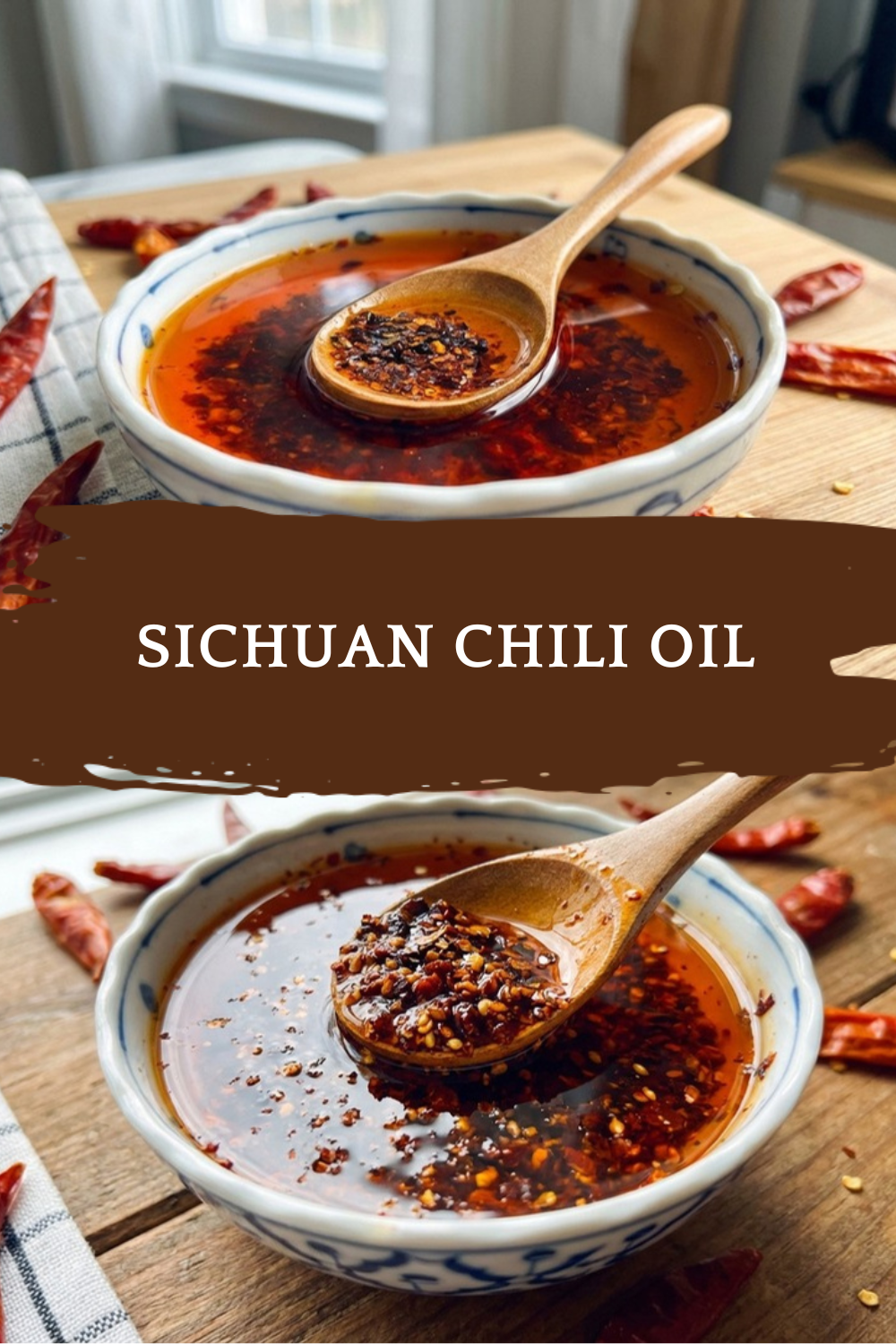
FAQs: Frequently Asked Questions About Sichuan Chili Oil
What is the best oil to use for homemade Sichuan chili oil?
What kind of chili flakes work best for Sichuan chili oil?
Are there safety tips for making Sichuan chili oil at home?
How do you store homemade Sichuan chili oil?
Can you substitute Sichuan peppercorns in chili oil?
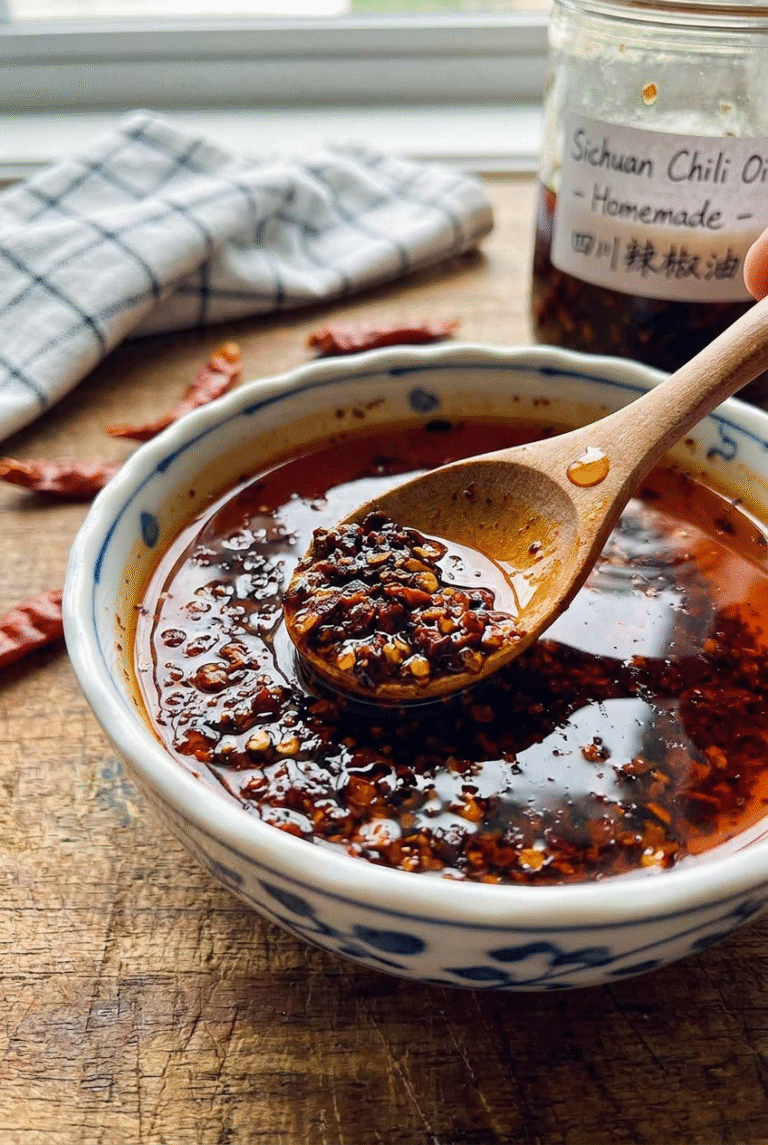
Sichuan Chili Oil
🌶️ Discover the fiery essence of Chinese Chili Oil, a versatile condiment that adds authentic Sichuan heat and aroma to dishes, boosting flavor while being easy to make at home for endless culinary uses.
🛢️ Elevate your noodles, dumplings, or stir-fries with this numbing-spicy delight, packed with antioxidants from chili flakes to support digestion and add a bold, aromatic kick to everyday meals.
- Total Time: 1 hour 25 minutes
- Yield: 3 cups
Ingredients
– 3 cups neutral oil such as avocado oil
– 2 tbsp Sichuan peppercorns
– 4 cloves garlic, smashed
– 1 shallot, halved
– 1 cinnamon stick
– 2 bay leaves
– 8 star anise pods
– 1 tbsp cloves
– 1 ½ cups Sichuan chili flakes
– 1 tbsp sesame seeds (optional)
– 1 tbsp sugar
– 1 tbsp salt or to taste
Instructions
1-First Step: Begin by preparing your mise en place measure out 3 cups of neutral oil and set aside the spices including 2 tbsp Sichuan peppercorns, 4 smashed garlic cloves, and 1 halved shallot in a heatproof bowl. This organization helps prevent any rushes during cooking and ensures Sichuan chili oil turns out just right. Arrange the cinnamon stick, bay leaves, star anise, and cloves nearby for easy access.
2-Second Step: Heat the oil in a saucepan over medium heat until it reaches about 250-300°F, which takes around 5-7 minutes; use a thermometer to check accuracy. Add the Sichuan peppercorns, smashed garlic, shallot, cinnamon stick, bay leaves, star anise, and cloves to the oil once it’s warm, letting them infuse for 5 minutes to build that authentic flavor. This step is crucial for Sichuan chili oil as it extracts the spices’ essence without burning them.
3-Third Step: In a separate heatproof bowl, combine 1 ½ cups Sichuan chili flakes with 1 tbsp sesame seeds if using, 1 tbsp sugar, and 1 tbsp salt. Stir well to mix these dry ingredients evenly, creating a base that will absorb the hot oil perfectly. For dietary adaptations, you can reduce salt for low-sodium needs or skip sesame seeds for nut-free versions, keeping Sichuan chili oil adaptable.
4-Fourth Step: Carefully pour the hot oil mixture over the chili flake blend in the bowl, doing so slowly to avoid splatters aim for a steady stream over about 1 minute. The oil should sizzle as it hits the flakes, releasing aromas and turning the mixture a vibrant red. Let it cool for 15-20 minutes, stirring occasionally to combine flavors, which makes Sichuan chili oil ready for use in various dishes.
5-Fifth Step: Once cooled, strain the oil if you prefer a smoother texture, or leave in the solids for added bite; this takes another 10 minutes. Store in a clean jar and refrigerate, adapting the recipe by adjusting spice levels for milder versions suited to kids or those new to Sichuan chili oil. This final touch ensures your oil is versatile for everything from noodles to veggies.
6-Sixth Step: Test the oil’s flavor by dipping a spoon into it and tasting; adjust seasoning if needed before sealing the jar. For advanced users, consider toasting the peppercorns briefly beforehand to enhance their numbing effect in Sichuan chili oil. This step allows for personalization based on your taste and dietary goals.
7-Final Step: Your homemade Sichuan chili oil is now complete and ready to enhance meals drizzle it over rice or use it in stir-fries for an instant flavor boost. Remember, for the best results, let it sit for a day to develop flavors fully, making it even more versatile for daily use or special occasions. For recipe ideas, check out our dan dan noodle recipe for a perfect pairing.
Last Step:
Please leave a rating and comment letting us know how you liked this recipe! This helps our business to thrive and continue providing free, high-quality recipes for you.Notes
🌶️ Always use authentic Sichuan chili flakes for the signature red color and ma la (numbing spicy) flavor; substitutes won’t yield the same result.
🛢️ Monitor the oil temperature closely during infusion to avoid burning the spices, which can turn the oil bitter—aim for a gentle simmer.
⏳ Let the oil rest overnight after making for intensified flavors; shake the jar before each use to redistribute the settled flakes.
- Prep Time: 10 minutes
- Infusing Time: 1 hour
- Cook Time: 15 minutes
- Category: Condiment
- Method: Infusing
- Cuisine: Chinese
- Diet: Vegan, Vegetarian, Gluten-Free, Low-Carb
Nutrition
- Serving Size: 1 tablespoon
- Calories: 120 kcal
- Sugar: 0g
- Sodium: 200mg
- Fat: 14g
- Saturated Fat: 2g
- Unsaturated Fat: 11g
- Trans Fat: 0g
- Carbohydrates: 1g
- Fiber: 0g
- Protein: 0g
- Cholesterol: 0mg