

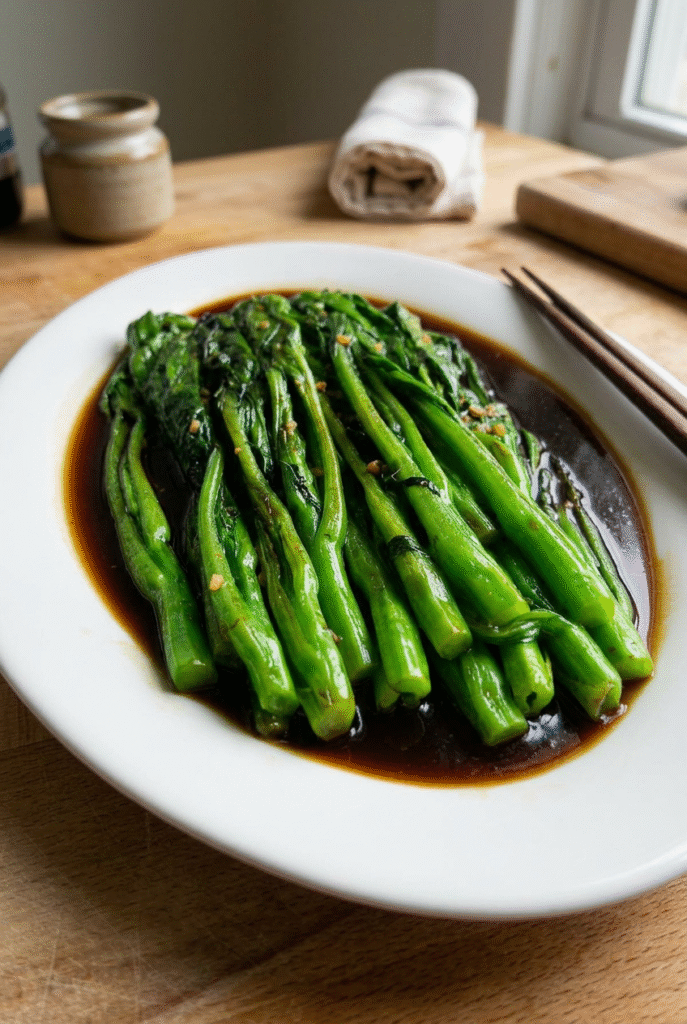
Why You’ll Love This Yu Choy
Yu Choy is a versatile leafy green that brings a fresh twist to your meals, making it a favorite for home cooks looking for something simple yet nutritious. This recipe stands out because of its quick preparation, which fits perfectly into busy schedules, whether you’re a parent juggling family dinners or a student cooking on a budget. One of the best parts is how it delivers a burst of health benefits with every bite, thanks to its rich vitamins and minerals that support your daily wellness routine.
Let’s dive into the top reasons this dish will become a go-to option. First, it’s incredibly easy to make, requiring just basic ingredients and minimal steps that even beginners can handle. Second, it packs a nutritional punch that’s ideal for those watching their diet, offering low calories and high nutrient content without sacrificing taste. Third, yu choy adapts to various meals, from a speedy side dish to a key component in larger recipes. Finally, its mild, sweet flavor adds a delightful crunch that enhances everything from everyday dinners to special gatherings.
- Ease of preparation: This recipe takes only about 40 minutes total, with 30 minutes for prep and 10 for cooking, making it perfect for busy days. You’ll appreciate how straightforward the steps are, allowing you to whip up a healthy meal without spending hours in the kitchen, which is a big win for working professionals and parents alike.
- Health benefits: Loaded with vitamins like A, C, and K, plus minerals such as calcium and iron, yu choy supports immune health and strong bones. Each serving has just 98 calories, 5g of carbohydrates, and 3g of protein, making it a smart choice for diet-conscious individuals who want to enjoy flavorful food without overloading on fats or sugars.
- Versatility: Yu choy works well in different dietary plans, from vegan swaps to gluten-free options, and pairs easily with proteins or grains. It’s great for travelers or newlyweds experimenting in the kitchen, as it adapts to various cuisines and can be a side for everything from simple stir-fries to elaborate party spreads.
- Distinctive flavor: The tender stems and leaves offer a sweet, crisp taste that’s less bitter than other greens, absorbing sauces beautifully for a satisfying texture. This makes it ideal for food enthusiasts and baking lovers who enjoy incorporating fresh veggies into creative dishes, bringing a unique element to your table that keeps meals exciting.
Overall, this yu choy recipe is a reliable choice for anyone seeking a healthy, flavorful addition to their routine. By focusing on these aspects, you’ll find it’s not just a dish but a smart way to elevate your everyday eating habits. For more on how greens like this fit into a balanced diet, check out our healthy smoothie recipes page, where we explore nutritious options that complement vegetable sides.
Jump to:
- Why You’ll Love This Yu Choy
- Essential Ingredients for Yu Choy
- Main Ingredients
- Special Dietary Options
- How to Prepare the Perfect Yu Choy: Step-by-Step Guide
- First Step: Prepare Your Ingredients
- Second Step: Make the Sauce
- Third Step: Boil the Water
- Fourth Step: Blanch the Yu Choy
- Fifth Step: Drain and Arrange
- Final Step: Add the Sauce and Serve
- Dietary Substitutions to Customize Your Yu Choy
- Protein and Main Component Alternatives
- Vegetable, Sauce, and Seasoning Modifications
- Mastering Yu Choy: Advanced Tips and Variations
- Pro Cooking Techniques
- Flavor Variations
- Presentation Tips
- Make-Ahead Options
- How to Store Yu Choy: Best Practices
- FAQs: Frequently Asked Questions About Yu Choy
- What is yu choy sum?
- How do I wash yu choy sum before cooking?
- How long should I blanch yu choy sum?
- What’s the best sauce for yu choy sum?
- How do I store yu choy sum to keep it fresh?
- Yu Choy
- Ingredients
- Instructions
- Last Step:
- Notes
- Nutrition
- Did you make this recipe?
Essential Ingredients for Yu Choy
Gathering the right ingredients is key to making this yu choy recipe shine, as each one plays a role in creating a balanced, flavorful dish. This section breaks down everything you need, with precise measurements for easy shopping and prep. I’ll also share why each ingredient matters, so you can understand how they contribute to the final result.
Main Ingredients
- 1 lb yu choy (450g) – This is the star of the dish, providing a tender, sweet base that’s packed with vitamins and adds a fresh crunch to your meal.
- 2 tablespoons oil (divided) – Used for both blanching and the sauce, this helps enhance flavor and prevents sticking, making the greens glossy and appetizing.
- 1 tablespoon oyster sauce (or vegetarian oyster sauce) – Adds a savory, umami depth that coats the yu choy perfectly, with a vegetarian option for plant-based diets.
- 1 tablespoon soy sauce – Brings saltiness and a rich taste that balances the sweetness of the greens, ideal for adding depth without overpowering.
- 1/2 teaspoon sesame oil – Infuses a nutty aroma and flavor that ties everything together, keeping the dish light yet satisfying.
- 1/8 teaspoon white pepper – Provides a subtle kick and warmth, enhancing the overall seasoning without making it spicy.
Special Dietary Options
- Vegan: Swap the oyster sauce for vegetarian oyster sauce, which uses mushrooms for a similar umami flavor, ensuring the recipe stays entirely plant-based and delicious.
- Gluten-free: Choose a gluten-free soy sauce alternative, like tamari, to maintain the same taste while accommodating gluten sensitivities.
- Low-calorie: Reduce the oil to 1 tablespoon total and opt for low-sodium versions of soy and oyster sauce to cut down on fats and sodium, making it lighter for health-focused eaters.
This list covers all the essentials, so you won’t miss a thing when you’re in the kitchen. With these items, you’ll create a dish that’s not only tasty but also adaptable to your needs.
How to Prepare the Perfect Yu Choy: Step-by-Step Guide
Getting yu choy just right involves a few simple steps that lead to a vibrant, flavorful result. This guide walks you through the process, ensuring your dish turns out perfectly every time. We’ll cover preparation, cooking, and serving, with tips to make it smooth and enjoyable.
First Step: Prepare Your Ingredients
Start by washing the yu choy thoroughly to remove any dirt. Fill a large bowl with cold water and submerge 1 lb of yu choy, swishing it around three times with fresh water each time. After draining in a colander, trim the ends if needed and set aside. This step is crucial for a clean, grit-free texture.
Second Step: Make the Sauce
While you wait for water to boil, heat 1 tablespoon of oil in a small saucepan over low heat for about 30 seconds. Stir in 1 tablespoon oyster sauce, 1 tablespoon soy sauce, 1/2 teaspoon sesame oil, and 1/8 teaspoon white pepper. Bring this mixture to a gentle simmer, then turn off the heat and set it aside to keep the flavors bright and balanced.
Third Step: Boil the Water
Bring a large pot of water to a rolling boil, which usually takes a few minutes on high heat. Once it’s boiling, add the remaining 1 tablespoon of oil to the water. This helps the yu choy stay vibrant and reduces sticking during blanching.
Fourth Step: Blanch the Yu Choy
Add the prepared yu choy to the boiling water and stir gently. It will turn a dark green color quickly, signaling it’s cooking. Blanch for about 30 seconds, or up to a minute if the stems are thick and you prefer a softer texture. Taste a piece to check; it should be tender yet crisp.
Fifth Step: Drain and Arrange
Use tongs or chopsticks to remove the yu choy from the pot and arrange it lengthwise on a serving dish. Pour off any excess water from the dish to keep the sauce from getting diluted, ensuring the flavors stay strong and the presentation looks appealing.
Final Step: Add the Sauce and Serve
Pour the warm sauce over the arranged yu choy and, if desired, cut longer pieces in half with kitchen scissors for easier eating. Serve immediately as a side dish, with a total prep time of 30 minutes and cook time of 10 minutes, making it ready in just 40 minutes. This simple finish lets the natural sweetness of the yu choy shine through, perfect for a quick family meal.
For more vegetable-based recipes that pair well with drinks, visit our easy vegetable sides section. Each nutritional serving offers 98 calories, 5g carbohydrates, 3g protein, 8g fat, 1g saturated fat, 401mg sodium, 10mg potassium, 1g sugar, 11340 IU vitamin A, 144mg vitamin C, 267mg calcium, and 2mg iron, making it a nutritious choice for all. Remember, yu choy is best when young and tender, and thorough cleaning prevents any sandy texture, as quick blanching keeps flavors intact.

Dietary Substitutions to Customize Your Yu Choy
Protein and Main Component Alternatives
If you’re looking to tweak the main ingredients for dietary needs, try swapping yu choy with similar greens like bok choy or spinach for a milder taste. For higher protein, add tofu or edamame, which blend well with the sauce and maintain the dish’s lightness. These changes help if you’re dealing with allergies or preferences, keeping the recipe under 100 calories per serving.
Vegetable, Sauce, and Seasoning Modifications
Switch yu choy for other seasonal veggies like broccoli for a heartier version, or adjust the sauce with garlic for added zest. If you’re on a low-sodium diet, use half the soy sauce and add herbs instead. These tweaks make the dish flexible for different tastes and restrictions, ensuring it’s always a hit at family dinners. For more on healthy adaptations, check out the health benefits of leafy greens.
Mastering Yu Choy: Advanced Tips and Variations
Pro Cooking Techniques
To get the best results, focus on even blanching by cutting larger stems first. This ensures uniform texture and maximizes nutrient retention for a professional finish.
Flavor Variations
Experiment with ginger or chili for a spicy twist, or use coconut aminos instead of soy sauce for a sweeter profile that suits various palates.
Presentation Tips
Arrange the yu choy in neat bundles and drizzle sauce artfully to make it visually appealing for guests at your next gathering.
Make-Ahead Options
Prep the sauce in advance and store it in the fridge for up to two days, or blanch the greens ahead and reheat quickly for busy schedules. For deeper insights into using greens in meals, see the food as medicine article.
How to Store Yu Choy: Best Practices
Keeping yu choy fresh starts with proper storage right after purchase. For short-term use, place it in the fridge’s crisper drawer wrapped in a damp towel. This keeps it crisp for several days without wilting.
| Storage Method | Details |
|---|---|
| Refrigeration | Store in a perforated bag for airflow, lasting 5-7 days; check daily and trim as needed. |
| Freezing | Blanch first, dry, and freeze in bags for up to 3 months; thaw before use for best texture. |
| Reheating | Use a quick steam or stir-fry to maintain crispness and safety, avoiding microwaves for flavor. |
| Meal Prep | Batch cook and portion for easy meals, ensuring it’s ready in under 10 minutes when needed. |
FAQs: Frequently Asked Questions About Yu Choy
What is yu choy sum?
How do I wash yu choy sum before cooking?
How long should I blanch yu choy sum?
What’s the best sauce for yu choy sum?
How do I store yu choy sum to keep it fresh?
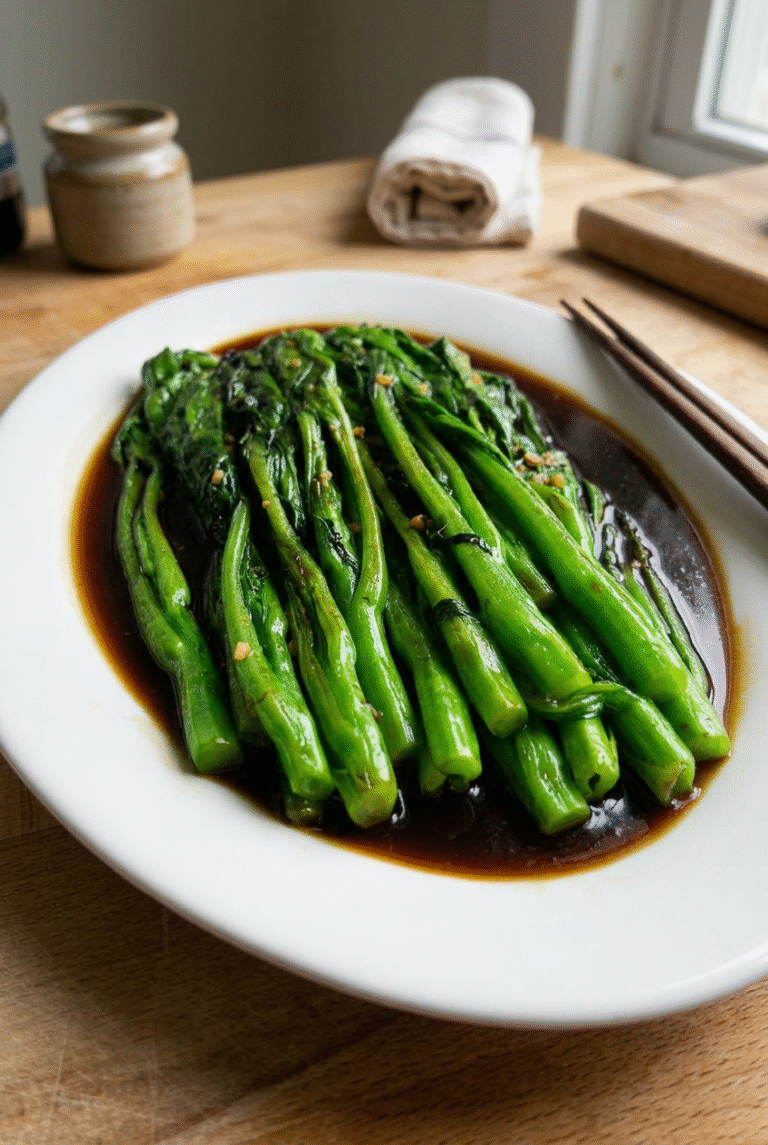
Yu Choy
🥬 Savor this yu choy sum for a vitamin-packed boost with high vitamin C and calcium from tender greens, offering low-calorie fiber for digestion and easy pairing with proteins for complete meals.
🌿 This simple blanched dish delivers fresh, crisp Chinese flavors in minutes, ideal for busy cooks seeking nutrient-dense sides that highlight seasonal veggies without overpowering sauces.
- Total Time: 40 minutes
- Yield: 4 servings
Ingredients
– 1 lb yu choy (450g)
– 2 tablespoons oil (divided)
– 1 tablespoon oyster sauce (or vegetarian oyster sauce)
– 1 tablespoon soy sauce
– 1/2 teaspoon sesame oil
– 1/8 teaspoon white pepper
Instructions
1-First Step: Prepare Your Ingredients Start by washing the yu choy thoroughly to remove any dirt. Fill a large bowl with cold water and submerge 1 lb of yu choy, swishing it around three times with fresh water each time. After draining in a colander, trim the ends if needed and set aside. This step is crucial for a clean, grit-free texture.
2-Second Step: Make the Sauce While you wait for water to boil, heat 1 tablespoon of oil in a small saucepan over low heat for about 30 seconds. Stir in 1 tablespoon oyster sauce, 1 tablespoon soy sauce, 1/2 teaspoon sesame oil, and 1/8 teaspoon white pepper. Bring this mixture to a gentle simmer, then turn off the heat and set it aside to keep the flavors bright and balanced.
3-Third Step: Boil the Water Bring a large pot of water to a rolling boil, which usually takes a few minutes on high heat. Once it’s boiling, add the remaining 1 tablespoon of oil to the water. This helps the yu choy stay vibrant and reduces sticking during blanching.
4-Fourth Step: Blanch the Yu Choy Add the prepared yu choy to the boiling water and stir gently. It will turn a dark green color quickly, signaling it’s cooking. Blanch for about 30 seconds, or up to a minute if the stems are thick and you prefer a softer texture. Taste a piece to check; it should be tender yet crisp.
5-Fifth Step: Drain and Arrange Use tongs or chopsticks to remove the yu choy from the pot and arrange it lengthwise on a serving dish. Pour off any excess water from the dish to keep the sauce from getting diluted, ensuring the flavors stay strong and the presentation looks appealing.
6-Final Step: Add the Sauce and Serve Pour the warm sauce over the arranged yu choy and, if desired, cut longer pieces in half with kitchen scissors for easier eating. Serve immediately as a side dish, with a total prep time of 30 minutes and cook time of 10 minutes, making it ready in just 40 minutes. This simple finish lets the natural sweetness of the yu choy shine through, perfect for a quick family meal.
Last Step:
Please leave a rating and comment letting us know how you liked this recipe! This helps our business to thrive and continue providing free, high-quality recipes for you.Notes
🥬 Wash yu choy meticulously three times to eliminate grit—young, tender bunches offer the sweetest flavor and quickest blanching time.
🍲 Add oil to boiling water for brighter color and less bitterness; taste a stem after blanching to perfect the crisp-tender balance.
✂️ Use vegetarian oyster sauce for a vegan version, and scissors for neat serving—drain thoroughly so the sauce clings without sogginess.
- Prep Time: 30 minutes
- Cook Time: 10 minutes
- Category: Side Dish
- Method: Blanching
- Cuisine: Chinese
- Diet: Vegetarian
Nutrition
- Serving Size: 1/4 lb
- Calories: 98 kcal
- Sugar: 1 g
- Sodium: 401 mg
- Fat: 8 g
- Saturated Fat: 1 g
- Unsaturated Fat: 7 g
- Trans Fat: 0 g
- Carbohydrates: 5 g
- Fiber: 2 g
- Protein: 3 g
- Cholesterol: 0 mg