
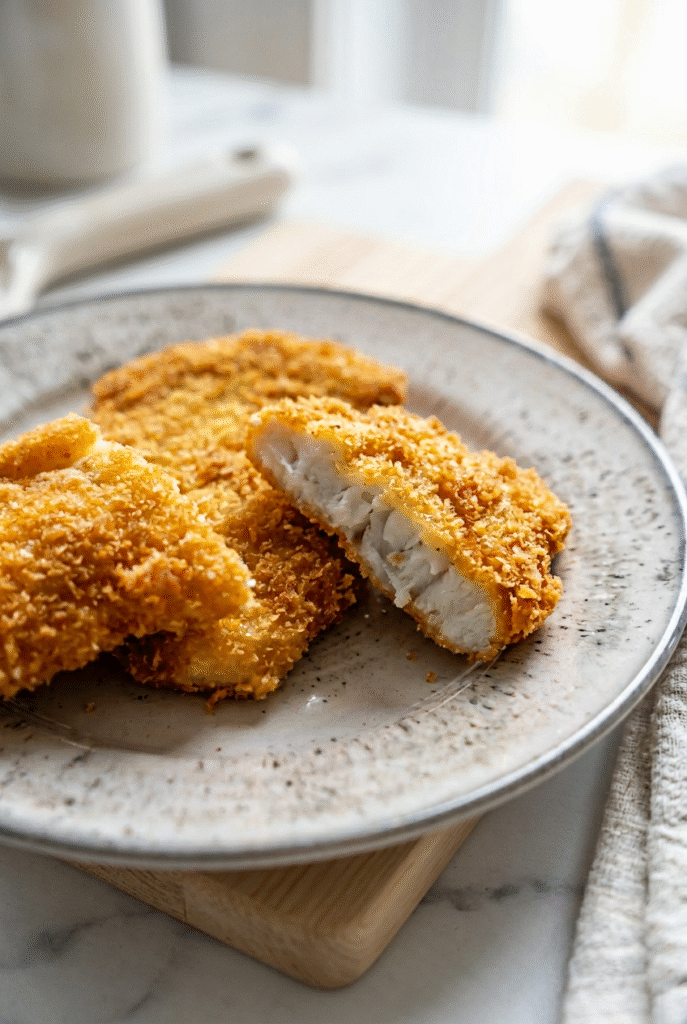
Why You'll Love This Fish Katsu
Fish katsu is a fun twist on a classic dish that brings crispy, golden perfection to your table with minimal effort. Imagine biting into tender fish wrapped in a crunchy panko crust that makes every meal feel special. This recipe stands out as an easy way to enjoy fish katsu, especially for busy families looking for quick dinners.
One big plus is how simple it is to prepare. You can whip up this dish in about 20 minutes, with just 10 minutes of prep and 10 minutes of cooking, making it perfect for weeknights. Another benefit comes from its health angle, as fish provides essential omega-3s that support heart health and brain function. Plus, you can adapt it to fit various diets by choosing lean fish.
The versatility really shines through too. You can use different fish like salmon, cod, tilapia, or rockfish to keep things fresh and exciting. What sets fish katsu apart is that distinctive flavor from the panko breadcrumbs, inspired by Japanese aji fry, turning ordinary fish into a crispy delight. Serve it in bento boxes or with your favorite sauces, and it becomes a staple for home cooks everywhere.
- Ease of preparation: This fish katsu recipe is straightforward and fast, requiring minimal ingredients and steps. With boneless filets, you skip the hassle of dealing with bones, letting you focus on frying to achieve that perfect crisp in no time.
- Health benefits: Packed with nutrients from fish, this dish offers lean protein and healthy fats that aid in wellness. It's lighter than many fried options, and you can control the oil to keep calories in check, making it a smart choice for a balanced diet.
- Versatility: Adapt this recipe to suit any dietary need, like using gluten-free panko for those avoiding gluten. It works with various fish types, so you can switch based on what's fresh or what your family prefers.
- Distinctive flavor: The panko creates a light, airy crunch that contrasts the flaky fish inside, drawing from Japanese traditions for a unique taste. Pair it with tonkatsu sauce or tartar sauce to elevate the flavor profile without extra work.
This approach not only saves time but also lets you experiment, ensuring fish katsu becomes a go-to meal. For more ideas on quick meals, check out our quick recipes section on the blog.
Jump to:
- Why You'll Love This Fish Katsu
- Essential Ingredients for Fish Katsu
- Main Ingredients
- Special Dietary Options
- How to Prepare the Perfect Fish Katsu: Step-by-Step Guide
- First Step: Gather and Prep Your Ingredients
- Second Step: Make the Batter
- Third Step: Set Up Your Coating Stations
- Fourth Step: Heat the Oil
- Fifth Step: Fry the Fish
- Final Step: Serve and Enjoy
- Protein and Main Component Alternatives
- Suggested Substitutions for Protein
- Vegetable, Sauce, and Seasoning Modifications
- Ideas for Variations
- Mastering Fish Katsu: Advanced Tips and Variations
- How to Store Fish Katsu: Best Practices
- FAQs: Frequently Asked Questions About Fish Katsu
- What is fish katsu?
- What kind of fish works best for fish katsu?
- How do you make fish katsu at home?
- Can you make fish katsu in an air fryer?
- Do they make fish katsu in Japan?
- Fish Katsu
- Ingredients
- Instructions
- Last Step:
- Notes
- Nutrition
- Did you make this recipe?
Essential Ingredients for Fish Katsu
Gathering the right ingredients is key to making great fish katsu. This section breaks down everything you need, with exact measurements and why each one matters. We'll cover the main ingredients first, followed by options for special diets to make this recipe inclusive.
Main Ingredients
- 1 pound boneless fish filets (about 4 filets) – This is the star of the Dish, providing a tender base that works with salmon, cod, tilapia, or rockfish for convenience and flavor.
- 1/4 teaspoon salt (adjustable to taste) – Adds essential seasoning to enhance the fish's natural taste without overpowering it.
- 1/4 cup flour – Helps form the batter for better adhesion, creating a smooth coating that locks in moisture.
- 2 eggs – Binds the flour and panko together, ensuring the breading sticks and gives a golden finish when fried.
- 2 cups panko breadcrumbs – Provides that signature light and crispy texture, inspired by Japanese frying techniques for the best crunch.
- Oil for deep frying – Use enough to submerge the filets, typically a neutral oil like vegetable oil, to achieve the deep-fried crispiness without altering flavors.
Special Dietary Options
- Vegan: Swap the fish for plant-based options like tofu or seitan, and replace eggs with a flaxseed mixture (1 tablespoon flaxseed meal mixed with 3 tablespoons water per egg) to keep the batter vegan-friendly.
- Gluten-free: Use gluten-free flour and panko breadcrumbs to maintain the recipe's structure while accommodating those with gluten sensitivities.
- Low-calorie: Opt for baking instead of deep-frying or use an air fryer to reduce oil use, helping cut down on calories from the breading and oil.
By using these ingredients, you ensure a tasty and adaptable dish. Remember, exact quantities make it easy to replicate success every time, as seen in our ingredient tips guide.
How to Prepare the Perfect Fish Katsu: Step-by-Step Guide
Creating fish katsu at home is simpler than you might think, and this guide walks you through each step for delicious results. We'll use the provided directions as our foundation, ensuring you get that crispy panko coating every time. Start with fresh ingredients to make the process enjoyable.
First Step: Gather and Prep Your Ingredients
Begin by collecting all items: 1 pound boneless fish filets, 1/4 teaspoon salt, 1/4 cup flour, 2 eggs, 2 cups panko breadcrumbs, and oil for frying. Pat the fish dry with paper towels to remove excess moisture, which helps the batter stick better. This prep takes about 5 minutes and sets the stage for even cooking.
Second Step: Make the Batter
In a shallow dish, whisk together the 1/4 cup flour, 1/4 teaspoon salt, and 2 eggs until you have a smooth batter. This mixture acts as the glue for the panko, simplifying the dipping process and reducing dish cleanup. Aim for a thick consistency to ensure full coverage on the fish.
Third Step: Set Up Your Coating Stations
Prepare two stations: one with the batter and another with the 2 cups panko breadcrumbs in a separate shallow dish. This setup makes it easy to coat the fish efficiently. Dip each fish filet first into the batter, ensuring it's fully covered, then press it into the panko for an even coating.
Fourth Step: Heat the Oil
Heat the oil in a deep fryer or heavy pot to 350°F. You'll need enough oil to submerge the filets, about 2-3 inches deep. Use a thermometer to check the temperature for safety and the best results, as this ensures the fish cooks quickly without absorbing too much oil.
Fifth Step: Fry the Fish
Fry the coated fish in batches, cooking 2-3 minutes per side until they turn golden brown and reach an internal temperature of 145°F. Don't overcrowd the fryer to keep the oil hot and the fish crispy. After frying, drain on paper towels to remove any excess oil, which takes just a minute or two.
Final Step: Serve and Enjoy
Once fried, slice the fish katsu and serve it hot with tonkatsu sauce, tartar sauce, or your favorite toppings. This step adds a personal touch, like adding shredded cabbage or rice for a complete meal. The total time is about 20 minutes, making it ideal for any day of the week.
For more on healthy eating with fish, visit this external resource on fish health benefits. This guide not only covers the basics but includes tips like using a combined batter for fewer dishes and seasoning lightly for enhanced flavor.
Protein and Main Component Alternatives
When making fish katsu, switching up the main protein can keep things interesting and accommodate different needs. For instance, if salmon isn't available, cod offers a mild flavor that fries up beautifully. These alternatives ensure you can still enjoy that crispy texture while adapting to what's in your kitchen.
Suggested Substitutions for Protein
Try tilapia for a budget-friendly option that holds its shape well. Rockfish adds a sweet note, perfect for those wanting a richer taste. Always choose boneless filets to keep prep easy, and adjust cooking time based on thickness to avoid overcooking.
Vegetable, Sauce, and Seasoning Modifications
Adding vegetables or changing sauces can transform fish katsu based on the season or dietary preferences. For example, include shredded cabbage as a side for crunch, or swap tonkatsu sauce for a lighter tartar sauce to cut calories. These modifications keep the dish fresh and versatile.
Ideas for Variations
Experiment with seasonings like adding herbs for a Mediterranean twist, or use gluten-free options for restrictions. In summer, pair with fresh veggies; in winter, opt for heartier no. This way, you tailor the recipe to your liking without losing its essence.
Mastering Fish Katsu: Advanced Tips and Variations
Once you've nailed the basic fish katsu recipe, try these pro tips to take it up a notch. For extra-thick crust, consider double dredging the filets in batter and panko before frying. This method boosts the crunch factor, making your dish stand out at family dinners.
- Pro cooking techniques: Toast panko in an air fryer first for better browning, or use double frying for an ultra-crispy result without the mess.
- Flavor variations: Season fish lightly with spices based on type, like adding lemon for salmon, and pair with different sauces for new tastes.
- Presentation tips: Plate with fresh greens for appeal, slicing the katsu for easy sharing at parties.
- Make-ahead options: Prep filets in advance and freeze them, then fry when needed to save time on busy days.
How to Store Fish Katsu: Best Practices
Proper storage keeps your fish katsu tasty and safe to eat later. For short-term needs, refrigerate leftovers in an airtight container. This method keeps them fresh for up to 2 days, maintaining that crispy texture as much as possible.
- Refrigeration: Cool fish completely before storing to prevent sogginess, and reheat in an oven for the best results.
- Freezing: Wrap portions tightly and freeze for up to 3 months, thawing in the fridge overnight before use.
- Reheating: Use an oven at 350°F to restore crispiness, avoiding microwaves that make it soggy.
- Meal prep considerations: Batch cook and store in single servings for easy grab-and-go meals during the week.

FAQs: Frequently Asked Questions About Fish Katsu
What is fish katsu?
What kind of fish works best for fish katsu?
How do you make fish katsu at home?
Can you make fish katsu in an air fryer?
Do they make fish katsu in Japan?
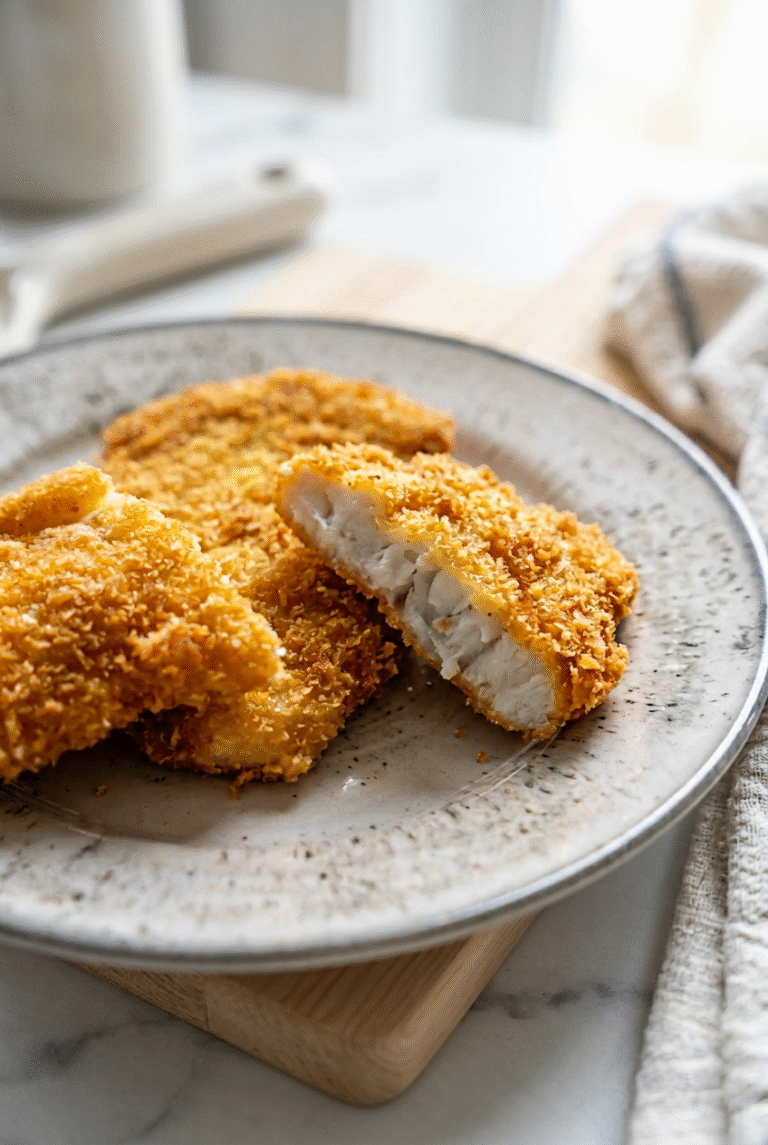
Fish Katsu
🐟 Dive into this fish katsu for a protein-rich meal with omega-3s from fresh fish, promoting heart health and easy digestion, while the crispy panko adds satisfying crunch without heavy carbs.
🍤 This versatile deep-fried delight works with any fish like cod or salmon, ideal for quick weeknight dinners or bento boxes, offering Japanese-inspired flavor that’s beginner-friendly and pairs perfectly with rice or salads.
- Total Time: 20 minutes
- Yield: 4 servings
Ingredients
– 1 pound boneless fish filets (about 4 filets) for tender base
– 1/4 teaspoon salt (adjustable to taste) for seasoning
– 1/4 cup flour for coating
– 2 eggs for binding
– 2 cups panko breadcrumbs for crispy texture
– Oil for deep frying
Instructions
1-First Step: Gather and Prep Your Ingredients Begin by collecting all items: 1 pound boneless fish filets, 1/4 teaspoon salt, 1/4 cup flour, 2 eggs, 2 cups panko breadcrumbs, and oil for frying. Pat the fish dry with paper towels to remove excess moisture, which helps the batter stick better. This prep takes about 5 minutes and sets the stage for even cooking.
2-Second Step: Make the Batter In a shallow dish, whisk together the 1/4 cup flour, 1/4 teaspoon salt, and 2 eggs until you have a smooth batter. This mixture acts as the glue for the panko, simplifying the dipping process and reducing dish cleanup. Aim for a thick consistency to ensure full coverage on the fish.
3-Third Step: Set Up Your Coating Stations Prepare two stations: one with the batter and another with the 2 cups panko breadcrumbs in a separate shallow dish. This setup makes it easy to coat the fish efficiently. Dip each fish filet first into the batter, ensuring it’s fully covered, then press it into the panko for an even coating.
4-Fourth Step: Heat the Oil Heat the oil in a deep fryer or heavy pot to 350°F. You’ll need enough oil to submerge the filets, about 2-3 inches deep. Use a thermometer to check the temperature for safety and the best results, as this ensures the fish cooks quickly without absorbing too much oil.
5-Fifth Step: Fry the Fish Fry the coated fish in batches, cooking 2-3 minutes per side until they turn golden brown and reach an internal temperature of 145°F. Don’t overcrowd the fryer to keep the oil hot and the fish crispy. After frying, drain on paper towels to remove any excess oil, which takes just a minute or two.
6-Final Step: Serve and Enjoy Once fried, slice the fish katsu and serve it hot with tonkatsu sauce, tartar sauce, or your favorite toppings. This step adds a personal touch, like adding shredded cabbage or rice for a complete meal. The total time is about 20 minutes, making it ideal for any day of the week.
Last Step:
Please leave a rating and comment letting us know how you liked this recipe! This helps our business to thrive and continue providing free, high-quality recipes for you.Notes
🐟 Choose firmer fish like cod or rockfish to prevent breaking during frying—lightly season before breading for enhanced natural flavors without over-salting.
🥚 Use the simple flour-egg batter for easy dredging; for thicker crust, double-dip in batter and panko, or air-fry at 400°F for 10-12 minutes as a healthier twist.
🔥 Monitor oil temperature closely—too low leads to greasy results; double-fry briefly at 375°F for ultra-crispy texture if desired.
- Prep Time: 10 minutes
- Cook Time: 10 minutes
- Category: Main Dish
- Method: Deep-frying
- Cuisine: Japanese
- Diet: Pescatarian
Nutrition
- Serving Size: 1 filet
- Calories: 380 kcal
- Sugar: 1 g
- Sodium: 400 mg
- Fat: 20 g
- Saturated Fat: 3 g
- Unsaturated Fat: 10 g
- Trans Fat: 0.1 g
- Carbohydrates: 25 g
- Fiber: 1 g
- Protein: 25 g
- Cholesterol: 120 mg