

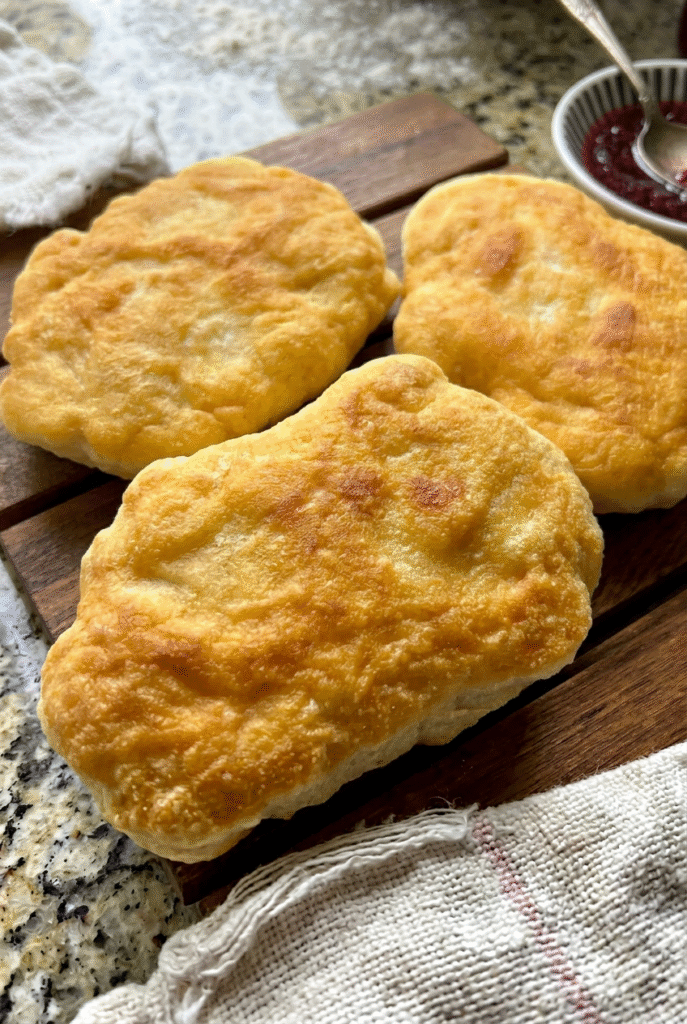
Why You’ll Love This Fried Bannock Recipe
If you’re seeking a quick and satisfying recipe that brings a bit of cultural heritage to your kitchen, this Fried Bannock Recipe is a terrific choice. It’s super simple to whip up with everyday ingredients, making it ideal for home cooks or busy parents looking for a comforting meal without much hassle. In just 20 minutes from start to finish, you can enjoy golden, crispy bites that evoke the traditions of Indigenous North American cuisine perfect for adding a personal touch to family dinners or casual snacks.
Many people enjoy this Fried Bannock Recipe because of its straightforward preparation, which requires no fancy tools or advanced skills. The dough comes together in one bowl, and frying it takes mere minutes, leaving you with a warm, delightful treat. Whether you’re a student cramming for exams or a working professional needing a fast side dish, this recipe fits right in while offering a satisfying texture that’s crispy on the outside and soft inside.
- Ease of preparation: This recipe is incredibly straightforward, with just a few steps that even beginners can master. You mix basic ingredients, knead briefly, and fry quickly, all in under 20 minutes total. That makes it perfect for busy schedules, like whipping up a snack after a long day at work, without spending hours in the kitchen.
- Health benefits: Fried bannock provides a good balance of carbs for energy and some protein, with each serving clocking in at 590 calories and including fiber for digestion. It’s also adaptable for those watching their sodium or seeking lower-fat options by using less oil. Plus, the ingredients like flour and baking powder offer essential nutrients such as iron and calcium, supporting overall wellness in a tasty way.
- Versatility: You can tweak this Fried Bannock Recipe to suit various dietary needs, such as swapping water for milk to make it creamier or using it as a base for sweet or savory meals. It’s great for travelers on a budget, as it uses pantry staples, or for party hosts who want an easy shareable item that pairs with everything from jam to stews.
- Distinctive flavor: The fried method gives this bannock its standout golden crispiness and rich taste, setting it apart from baked versions. It’s like a savory doughnut but with a neutral base that absorbs flavors beautifully, whether you add butter, honey, or even some herbs for a twist.
With these features, it’s no wonder this Fried Bannock Recipe has become a favorite for food enthusiasts and baking newcomers alike. Its ability to bring people together over a simple, homemade dish makes it more than just food it’s a comforting experience you’ll want to repeat often.
Jump to:
- Why You’ll Love This Fried Bannock Recipe
- Essential Ingredients for Fried Bannock Recipe
- Main Ingredients
- Special Dietary Options
- How to Prepare the Perfect Fried Bannock Recipe: Step-by-Step Guide
- First Step: Mixing the Dry Ingredients
- Second Step: Adding the Liquid
- Third Step: Kneading the Dough
- Fourth Step: Heating the Oil
- Fifth Step: Shaping and Frying
- Final Step: Draining and Serving
- Dietary Substitutions to Customize Your Fried Bannock Recipe
- Protein and Main Component Alternatives
- Vegetable, Sauce, and Seasoning Modifications
- Mastering Fried Bannock Recipe: Advanced Tips and Variations
- How to Store Fried Bannock Recipe: Best Practices
- Refrigeration
- Freezing
- Reheating
- Meal Prep Considerations
- FAQs: Frequently Asked Questions About Fried Bannock Recipe
- What is fried bannock?
- What ingredients do I need for fried bannock?
- How do you make fried bannock step by step?
- How do you store and reheat fried bannock?
- What can I serve with fried bannock or use it for?
- Fried Bannock Recipe
- Ingredients
- Instructions
- Last Step:
- Notes
- Nutrition
- Did you make this recipe?
Essential Ingredients for Fried Bannock Recipe
Gathering the right ingredients is key to making this Fried Bannock Recipe turn out just right. Each item plays a specific role in creating the perfect dough that fries up crispy and delicious. Below, you’ll find a detailed list with precise measurements and brief explanations to help you understand why each one matters.
Main Ingredients
- 3 cups all-purpose flour (about 360g, plus more as needed) – This forms the base of the dough, providing structure and a soft texture; adjust with extra flour if the mix feels too sticky.
- 1 ½ teaspoons salt – Enhances the overall flavor, balancing the baking powder and keeping the bannock from tasting flat; it’s essential for that savory taste.
- 1 tablespoon baking powder – Acts as the leavening agent to make the bannock fluffy and light; without it, the result would be dense and chewy.
- 1 cup + 2 tablespoons water (about 270g) – Binds the dry ingredients into a workable dough; use this amount for the right consistency, but you can substitute for milk if you want a richer version as suggested in the tips.
- ½ cup oil for frying – Provides the heat for crisping the exterior; choose a neutral oil with a high smoke point for even frying and that signature golden color.
Special Dietary Options
- Vegan: Keep it plant-based by sticking with water instead of any dairy alternatives; the oil for frying is already vegan-friendly, so no changes needed there for a fully plant-based Fried Bannock Recipe.
- Gluten-free: Swap the all-purpose flour for a gluten-free blend in the same 3 cups measurement to maintain the dough’s texture; ensure your baking powder is also gluten-free certified.
- Low-calorie: Reduce oil for frying to about ¼ cup and use whole wheat flour instead of all-purpose to lower calories while keeping the Fried Bannock Recipe satisfying but lighter.
How to Prepare the Perfect Fried Bannock Recipe: Step-by-Step Guide
Diving into this Fried Bannock Recipe is all about following simple steps to achieve that crispy golden perfection. Start by getting your kitchen ready with all ingredients measured out for smooth sailing this is your mise en place to avoid any rushed moments. With a prep time of just 10 minutes and cooking at 10 minutes, you’ll have fresh bannock on the table in no time.
First Step: Mixing the Dry Ingredients
Begin by whisking the 3 cups of all-purpose flour, 1 ½ teaspoons of salt, and 1 tablespoon of baking powder in a large bowl. This ensures everything blends evenly, giving your dough a consistent rise and flavor. Stir gently to avoid creating too much air, as we’re aiming for a simple mix that sets the foundation for the rest.
Second Step: Adding the Liquid
Pour in the 1 cup + 2 tablespoons of water gradually while stirring the mixture with a spoon. Keep going until a soft dough forms don’t overmix to prevent toughness. This step is crucial for the right moisture level, making the dough easy to handle later on.
Third Step: Kneading the Dough
Turn the dough out onto a floured surface and knead it for 2-3 minutes until it’s no longer sticky. Use your hands to fold and press gently, adding a bit more flour if needed. Once done, cover the dough and let it rest for 10 minutes this allows the baking powder to activate and makes the bannock fluffier.
Fourth Step: Heating the Oil
In a frying pan, heat the ½ cup of oil over medium heat until it’s hot but not smoking. To check, drop a small piece of dough in it should sizzle right away. This temperature, around medium on most stoves, ensures even frying without burning the outside before the inside cooks.
Fifth Step: Shaping and Frying
Divide the rested dough into portions and flatten each into ½-inch thick ovals. Carefully place them in the hot oil, frying 3-4 minutes per side until they’re golden brown and crispy. Fry in batches to avoid crowding the pan, which helps maintain the oil’s temperature for the best results.
Final Step: Draining and Serving
Remove the fried bannock from the oil and drain on paper towels to soak up any excess oil. Let it cool slightly for safer handling, then serve warm with jam or butter for a delightful finish. For Nutritional Information, each serving has 590 calories, with 72g carbohydrates and 29g fat, making it a hearty option that fits into various meals remember to check our related stew recipes for complementary ideas.
This Fried Bannock Recipe yields about 8-10 pieces, perfect for sharing with family or as a quick meal prep. The total time of 20 minutes includes everything, so it’s ideal for busy parents or students. For extra tips, like using milk for fluffier results, we’ll cover that next to enhance your cooking experience.

Dietary Substitutions to Customize Your Fried Bannock Recipe
Protein and Main Component Alternatives
If you’re adapting this Fried Bannock Recipe for different needs, consider swapping the flour base for alternatives. For instance, use almond flour in the same 3 cups measurement if you’re aiming for a higher protein option, which adds nutty flavor and suits those seeking plant-based proteins. Another idea is to incorporate protein powder, about ½ cup mixed into the dry ingredients, to boost the 10g protein per serving without altering the dough’s texture much.
Vegetable, Sauce, and Seasoning Modifications
Customize by adding vegetables like finely chopped onions or herbs directly into the dough for extra flavor and nutrients. For sauces, swap traditional butter for a low-sodium version to reduce the 1195mg sodium per serving, or try seasonal herbs like rosemary to match your dietary preferences. These changes keep the Fried Bannock Recipe versatile and adaptable to what you have on hand.
Mastering Fried Bannock Recipe: Advanced Tips and Variations
To take your Fried Bannock Recipe to the next level, focus on pro cooking techniques like maintaining even oil temperature for uniform crispiness use a thermometer if possible. Flavor variations could include adding cinnamon or sugar to the dough for a sweeter twist, enhancing the basic recipe with just a tablespoon or two. Presentation tips involve serving on a colorful plate with fresh toppings like fruit preserves to make it visually appealing for guests.
- Pro cooking techniques: Ensure even thickness when shaping the dough for consistent frying, and test the oil’s readiness to avoid greasy results; this builds on the original tips for better control. For instance, reheat in an air fryer at 400°F as mentioned for crisp leftovers.
- Flavor variations: Experiment with add-ins like melted butter in the dough for extra richness, or try herbs for a savory spin on this Fried Bannock Recipe.
- Presentation tips: Stack pieces attractively and dust with powdered sugar for a party-ready look, elevating simple meals into something special.
- Make-ahead options: Prepare the dough in advance and refrigerate for up to 3 days, as per the tips, to save time on busy days.
How to Store Fried Bannock Recipe: Best Practices
Proper storage keeps your Fried Bannock Recipe fresh and tasty for later. First, let the pieces cool completely to prevent sogginess before storing. This step ensures you maintain that crispy texture everyone loves.
Refrigeration
For short-term storage, place cooled bannock in an airtight container and refrigerate for up to 3 days, as recommended in the tips. This method keeps it soft and ready for quick meals without losing flavor.
Freezing
For long-term options, freeze the bannock in a freezer-safe bag for up to a month; thaw in the fridge overnight to preserve quality. This is great for batch cooking and meal prep for families.
Reheating
To reheat, use an air fryer at 400°F for 2-3 minutes for the best crispiness, following the provided advice. Pan-frying in a bit of oil works too, ensuring safety and maintaining the original taste.
Meal Prep Considerations
Make larger batches and portion them for easy grab-and-go, incorporating the recipe’s total 20-minute prep into your weekly routine.
FAQs: Frequently Asked Questions About Fried Bannock Recipe
What is fried bannock?
What ingredients do I need for fried bannock?
How do you make fried bannock step by step?
How do you store and reheat fried bannock?
What can I serve with fried bannock or use it for?
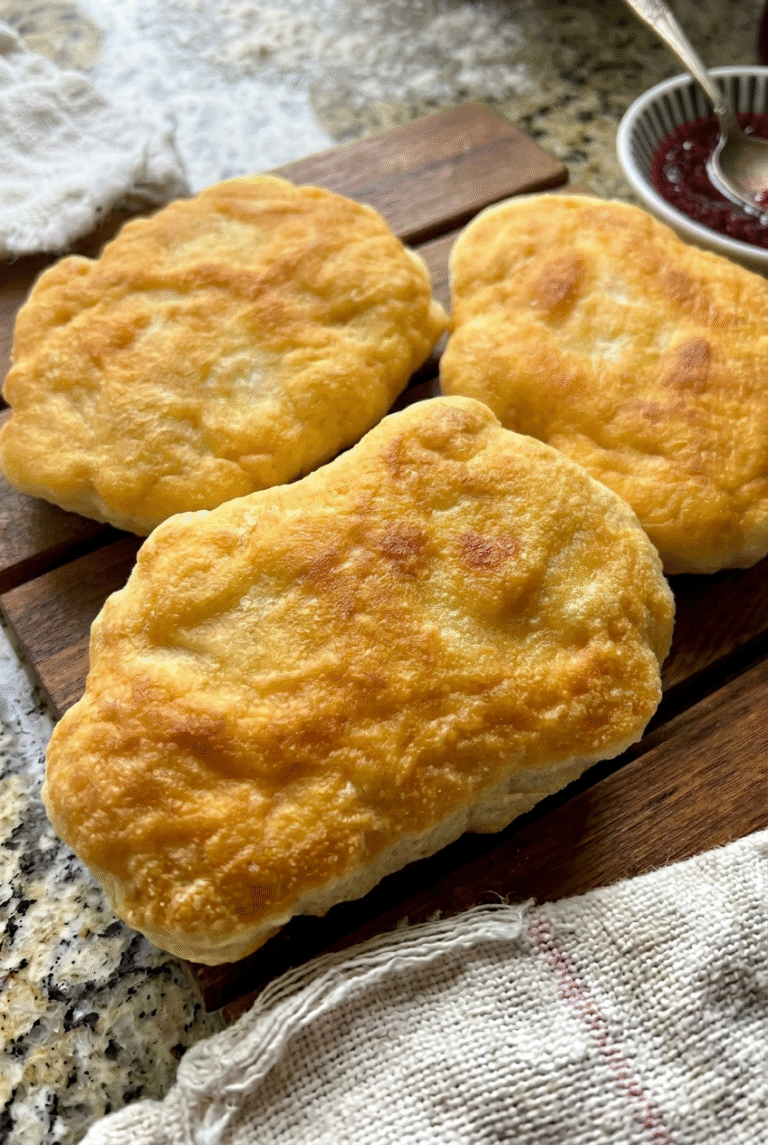
Fried Bannock Recipe
🥞 Savor these crispy fried bannocks for a quick carb boost with their golden, crunchy exterior and soft interior, perfect for dipping in stews or as a simple snack.
🍞 Embrace traditional Canadian comfort by making these easy, versatile flatbreads at home—ideal for elevating meals with authentic crispy perfection using basic pantry items.
- Total Time: 30 minutes
- Yield: 8 bannocks
Ingredients
– 3 cups all-purpose flour (about 360g, plus more as needed)
– 1 ½ teaspoons salt
– 1 tablespoon baking powder
– 1 cup + 2 tablespoons water (about 270g)
– ½ cup oil for frying
Instructions
1-First Step: Mixing the Dry Ingredients Begin by whisking the 3 cups of all-purpose flour, 1 ½ teaspoons of salt, and 1 tablespoon of baking powder in a large bowl. This ensures everything blends evenly, giving your dough a consistent rise and flavor. Stir gently to avoid creating too much air, as we’re aiming for a simple mix that sets the foundation for the rest.
2-Second Step: Adding the Liquid Pour in the 1 cup + 2 tablespoons of water gradually while stirring the mixture with a spoon. Keep going until a soft dough forms don’t overmix to prevent toughness. This step is crucial for the right moisture level, making the dough easy to handle later on.
3-Third Step: Kneading the Dough Turn the dough out onto a floured surface and knead it for 2-3 minutes until it’s no longer sticky. Use your hands to fold and press gently, adding a bit more flour if needed. Once done, cover the dough and let it rest for 10 minutes this allows the baking powder to activate and makes the bannock fluffier.
4-Fourth Step: Heating the Oil In a frying pan, heat the ½ cup of oil over medium heat until it’s hot but not smoking. To check, drop a small piece of dough in it should sizzle right away. This temperature, around medium on most stoves, ensures even frying without burning the outside before the inside cooks.
5-Fifth Step: Shaping and Frying Divide the rested dough into portions and flatten each into ½-inch thick ovals. Carefully place them in the hot oil, frying 3-4 minutes per side until they’re golden brown and crispy. Fry in batches to avoid crowding the pan, which helps maintain the oil’s temperature for the best results.
6-Final Step: Draining and Serving Remove the fried bannock from the oil and drain on paper towels to soak up any excess oil. Let it cool slightly for safer handling, then serve warm with jam or butter for a delightful finish. For Nutritional Information, each serving has 590 calories, with 72g carbohydrates and 29g fat, making it a hearty option that fits into various meals remember to check our related stew recipes for complementary ideas.
Last Step:
Please leave a rating and comment letting us know how you liked this recipe! This helps our business to thrive and continue providing free, high-quality recipes for you.Notes
🥛 For extra fluffiness, swap water for milk or mix in 2 tablespoons melted butter into the dough before resting—it elevates the tenderness without much effort.
📏 Maintain even ½-inch thickness when flattening to ensure uniform cooking—thinner edges crisp faster, while thicker centers stay soft and chewy.
🔥 Reheat leftovers in an air fryer at 400°F for 2-3 minutes to restore that fresh-out-of-the-fryer crispiness, keeping them tasting newly made.
- Prep Time: 10 minutes
- Resting Time: 10 minutes
- Cook Time: 10 minutes
- Category: Bread
- Method: Frying
- Cuisine: Canadian
- Diet: Vegetarian
Nutrition
- Serving Size: 1 bannock
- Calories: 590 kcal
- Sugar: 0.3 g
- Sodium: 1195 mg
- Fat: 29 g
- Saturated Fat: 2 g
- Unsaturated Fat: 26 g
- Trans Fat: 0.1 g
- Carbohydrates: 72 g
- Fiber: 3 g
- Protein: 10 g
- Cholesterol: 0 mg